30 Best Home Décor Gifts for Every Aesthetic in 2026

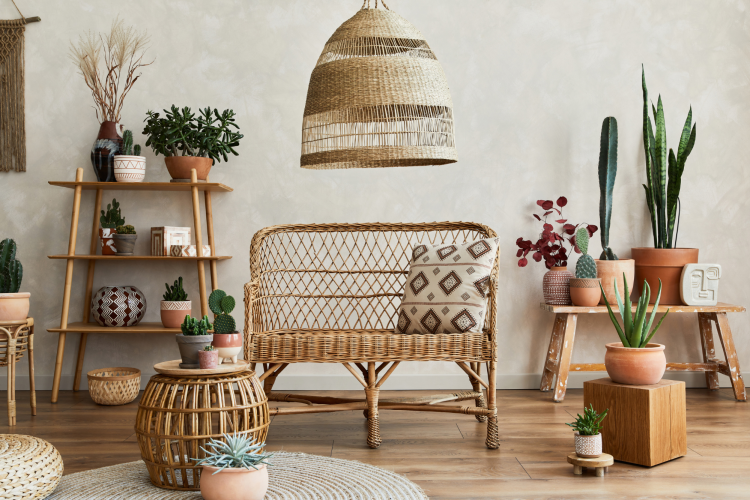
Cultivating a space that evokes style and comfort has never been easier with these home décor gifts. Whether you’re shopping for a housewarming gift or someone who loves redecorating, you’ve probably been searching for something they’ll be proud to include in their home. Recent research from IKEA points out that what people want most at home is a sense of joy, well-being, and personal storytelling. Small, thoughtful updates make a noticeable difference.
But what should you gift them? One of the most traditional housewarming gifts is a plant. However, not everyone has a green thumb or wants to take on the kind of care some plants require. If a living gift is preferred, choose low-maintenance varieties such as snake plants, ZZ plants, or pothos, which tolerate variable light and watering routines; otherwise, opt for décor that brings the same freshness without care requirements.
The real challenge is fit: finding pieces that suit the recipient’s style and space. The ideas ahead focus on unique home décor gifts you can make or shop — locally or online — so your home décor gifts feel considered and personal rather than generic.
Jump to Section
- Creative Home Décor Gifts
- Unique Home Décor Gifts
- Personalized Home Décor Gifts
- Luxury Home Décor Gifts
- DIY Home Décor Gifts
Creative Home Décor Gifts
1. Bespoke Wall Art in Paint and Sip
/paint_and_sip/Paintand_sip_white_women.png)
A local paint-and-sip night is both an experience and a home décor gift. With the guidance of a local artist, they'll work step-by-step to the creation of their own unique piece of art. Whether they've already got a grasp of basic painting techniques or are completely new to canvas painting ideas, this stress-free (and boozy) environment is a great way to spark their inner artist.
Help them create their very own one-of-a-kind home décor gift during paint and sip in Portland, Atlanta, Houston and near you. You can also give online painting classes as a home décor gift idea, so they can create wall art in their very own home.
2. DIY Pottery and Ceramics
Throw them in the deep end with a pottery class near you. They'll emerge with pottery sculpted by their very own hands, adding a unique and bespoke twist to their home décor. An expert potter will guide them through wheel-throwing, hand-building and glazing pottery.
Pottery classes are available in NYC, Los Angeles, Chicago and everywhere in between. As far as home décor gifts go, the sense of satisfaction they'll feel when they bring their pottery ideas to fruition will be hard to top.
3. Help Them Create During Art Classes
For a more expansive exploration of the creative arts, an art class offers your recipient the chance to get into the nitty-gritty. Art classes in Boston, Houston, San Diego will take them through mediums ranging from collage to video art to sculpture. They'll produce their very own home décor gifts of all shapes and sizes while nourishing their drive to create.
Led by passionate artists, they'll learn the techniques and steps to creating works of art without requiring any previous experience. You can also give them a gift card for artists, so they choose when and where suits them best.
4. Coffee Table Books
Coffee table books make great housewarming gifts because there are so many options available that you can choose a topic that best fits the receiver’s interests. There are books on fashion, travel, architecture, philosophy and so much more. Beautiful books remain among the best home décor gifts because they work on multiple levels: they style a surface and spark conversation.
For a design-lover crowd-pleaser, consider Architectural Digest at 100; it’s a century-spanning edit from AD’s archives, rich with iconic rooms and designers — substantial enough for the coffee table and compelling enough to pull guests in.
5. Decorative Pillows

Who doesn’t love cozying up to a bunch of throw pillows? You can help make someone’s home more comfortable with decorative throw pillows as a home décor gift. Prioritise washable, well-made covers so the upgrade survives real life — spilled drinks, pets, and movie marathons — while still looking like a considered choice.
Classic floral patterns offer a traditional feel, while other bold patterns can match their vibe if they're more into the cheeky and modern. With throw pillows, you can find a home décor gift idea to fit every style.
6. Decorative Wreath
Gifting a wreath is like gifting a houseplant without the upkeep. Wreaths are simple home gifts that they’ll be able to display on their front door. You can find a wreath of lush greenery or one that has colorful wildflowers, so you can match it to the receiver’s home style. If you're feeling inspired, you can even make one yourself, finishing it off with our guide on how to make a bow for a wreath.
Since most are made of high-quality faux plants, they won’t need to take care of this home décor gift to keep it looking nice. For a low-fuss option with natural depth, the Terrain Dried Caspia + Eucalyptus Wreath blends dried florals and greenery for layered texture that doesn’t look tied to a single season. It's great as a winter and fall gift that will stick around.
Unique Home Décor Gifts
7. Vase and Flower Arranging
If you’re looking for gifts for people who have everything, gift an experience instead. As a unique home décor gift, give a vase and virtual flower arranging classes that will teach them how to fill it. These classes are led by experts who will teach all the techniques professionals use to create eye-catching arrangements, from balancing color to mixing textures.
The Heath Ceramics Bud Vase is the perfect vessel for their creations, with handcrafted weight and a timeless glaze that will suit any arrangement.
8. Candlestick Holders
Candlesticks add height, color and a little ceremony to everyday dinners. For unique home gifts, look for candle holders in bold colors and unique shapes. The HAY Flare Candleholder comes in playful borosilicate glass finishes that catch light beautifully and style well solo or in small clusters, so the table looks considered without feeling formal.
9. Cocktail Maker Set

If they’ve been looking for home bar ideas, include cocktail tools and a recipe book to help them jump-start their home bar. Cocktail maker sets make wonderful gifts for cocktail lovers. The Barfly Basic Set bundles the workhorse tools pros rely on — shaker, jigger, spoon, and strainer — in durable stainless steel, so the setup looks polished between uses. Pair this set with an online mixology class for a home décor gift idea that may even lead to the best cocktails you've ever tasted.
10. Decorative Mirror
A well-chosen mirror brightens a room and finishes a wall in one move. The Anthropologie Gleaming Primrose Mirror is the modern classic for a reason: vintage-inspired detailing, soft edges, and just enough ornament to feel special without overpowering the space.
Use our top IKEA mirror hacks to find some inspiration. You can also play around with material to match the style. Wood finishes look natural and bohemian, while there are sleeker, more modern options like metal for this staple home décor and gift.
11. Sun Catcher
Sun catchers are unique decorative objects that many people overlook, but they make great home décor gifts, especially for homes that have tons of sunlight. The MoMA Design Store Double Rainbow Maker is solar-powered and spins twin crystals to scatter rainbows across the room — playful, design-forward, and conversation-starting without any cords or fuss. This joyful little home décor gifting idea turns a sunny window into a daily show.
12. Stylish Storage
Storage solutions may not immediately come to mind when you're brainstorming unique home décor gift ideas but they're essential to keeping surfaces clear and looking polished. Regardless of where someone lives, storage is a must-have, which makes this one of the best gender-neutral gifts.
Yamazaki Home’s Tosca Wire Basket mixes white steel with warm wood handles, so it slides naturally into modern or classic rooms and moves easily from entry to bath to living room. They’ll be thankful for this home gift every time they put away clutter.
Personalized Home Décor Gifts
13. Custom Neon Sign

For a unique home décor gift, a custom neon sign can literally light up their world. Have the neon sign customized with their favorite quote or their name for them to display in their home. Or choose a symbol or object that represents them to serve as the neon sign. There are plenty of small businesses that make this unique home décor online.
14. Map Location Coasters
If there is a location significant to the receiver, consider giving them map location coasters. These coasters are fun hostess gift ideas that will remind them of their favorite places every time they have guests or use them on their own.
Locations can include their hometown, the place they went to college, where they met their partner or whatever you think suits their story best. This is home décor gifting that takes thoughtfulness to a new level.
15. Custom Portrait Drawing
Commission an artist to make a custom portrait for an exceptional home décor gift they'll love to show off to guests. Many artists can work off a photo, so they won’t have to sit while the portrait is created. It’s one of the best gifts for couples and families, and they’ll love having this gift that's unique to them. It also makes a great gift for new homeowners or as a housewarming gift.
16. Signature Couples Print
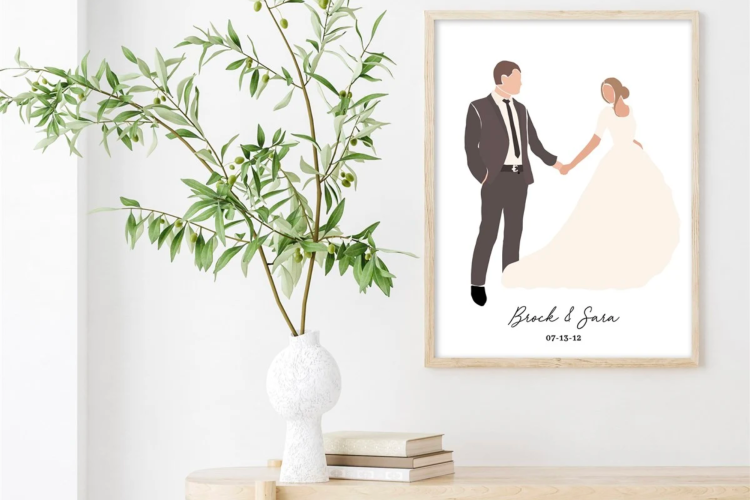
Take a favorite photo of them together and turn it into a custom print. With these signature couples prints, you can highlight special elements of their story together. Details like where and when they met, favorite pastimes, and even the moon phase on a key date are woven into a clean layout that looks intentional on the wall. This home décor gift is just for them, and they'll be proud to show it off.
17. Engraved Cheese Board
For those who like to entertain, a personalized engraved cheese board is the perfect home décor gift. The Williams Sonoma Monogram Cutting & Carving Board in Walnut is handsome enough to live on the counter until called into action as a serving piece for cheeses and charcuterie when guests arrive. Dense walnut develops a beautiful patina, and the monogram adds a bit of ceremony.
Pair this with wine glasses and their favorite bottle and together they’ll make the perfect gifts for wine lovers.
18. Home Address Stamp
For anyone who loves sending letters, a home address stamp is the perfect home décor gift. The Paper Source Custom Stamp Gift Set lets them choose the design later, but they start with a self-inking stamper that makes return addresses and notes feel tidy and sophisticated.
Luxury Home Décor Gifts
19. Marble Tray
Trays can go anywhere in the house, and their versatility makes them one of the best home décor gifts. The Crate & Barrel French Kitchen Marble Rectangle Tray corrals everyday bits — candles, hand soap, perfumes, bar tools — so surfaces look styled instead of scattered.
Marble is a stylish option because the natural variation in the stone means that their tray will be unique. Whether it’s a simple white or a bold green marble, these can be used in the living room, bedroom or kitchen to help keep items together. It's the best home décor gift for someone who seems to have everything but nowhere to put it all.
20. Bedding Set

There’s no better feeling than crawling into a comfy bed at the end of the day. Given the importance of a good night's sleep, bedding is certainly not the place to skimp. The Brooklinen Classic Percale Core Sheet Set is crisp, breathable, and widely loved for exactly those reasons.
Match it to their bedroom interior design color scheme or go with a classic all-white option. This home décor gift is an everyday upgrade that the recipient notices on night one and appreciates for years.
21. Cashmere Throw Blanket
Every home needs a cozy, comfy throw blanket. A cashmere blanket is super soft, which makes it the perfect throw blanket to cuddle up in at the end of the night. It’s soft without being fussy and moves effortlessly from living room to bedroom as seasons shift.
For a gift with heirloom potential, Johnstons of Elgin Cashmere Throws are a standout — rich color options, beautiful drape, and a look that instantly elevates surrounding home décor items.
22. Sculptural Floor Lamp
Give the home décor gift of a statement with a sculptural floor lamp. Look for a floor lamp with interesting shapes and materials, so it’ll be reminiscent of art in a gallery rather than something bought at a home store. The diffused globe and slender rod of Flos IC Lights Floor create a warm pool of light and a clean silhouette that works across styles. It's a home décor item that will bring any room together.
23. Stylish Wallpaper
Lean into design trends for unique home décor ideas you can give as gifts. If you know someone who is remodeling, give them wallpaper to help the process. With so many prints to choose from, you’re sure to be able to find one in their style, whether it’s a bold and colorful large-scale print or a minimalistic neutral textured design.
24. Luxury Home Scents

Creating a comfortable atmosphere engages all the senses, so give their home a signature scent. Luxury candles like Voluspa and Otherland also make great gifts under $50 and provide unforgettable blends that will make their home smell incredible.
DIY Home Décor Gifts
25. Cane Webbing Shelves
Consider DIYing a few home décor gifts the next time you need one. You can find cane webbing accessible online and use it with floating shelves for a piece that will add understated warmth. This piece of DIY home décor will add a lot of natural texture and be a unique décor piece for any home.
26. Painted Doormat
Welcome someone home by DIYing their doormat. For this project, all you’ll need is a blank doormat, outdoor acrylic paint, paint brushes and stencils. IKEA TRAMPA takes paint well and stands up to daily use, so a quick stencil or freehand motif will become a durable welcome. This fun addition to home décor and gift offers a unique first impression for their home.
27. Labeled Kitchen Canisters
For anyone who loves to cook or bake, labeled kitchen canisters are the perfect home décor gift that’s also incredibly functional. OXO POP Containers snap airtight with a single press and stack neatly, which means the shelves look calm and the ingredients stay fresh. Make DIY labels in a pretty font for all their kitchen ingredients. They’ll be able to display this home décor gift idea when not in use and make crafting their recipes easier.
28. Macramé Hanging Planter

If you’ve been searching for unique home décor online, you’ve probably come across a lot of macrame. What’s great about this art form is that you can easily DIY it with a few materials. Create a macrame hanging planter holder for your friends and family who love making their plants the centerpiece of their home. Pair it with a trailing plant and you’ve added movement and softness to your home décor gifting.
29. Homemade Soaps or Candles
Homemade soap and candle-making are surprisingly simple and the materials are easily accessible at any craft store. Buy fun-shaped molds, experiment with colors and come up with unique blends of fragrances.
Try making themed soaps and candles, like relaxing ones for spa nights or energizing scents for a home office.
30. Rope Basket
You don’t have to learn basket weaving to make your own rope basket. All you need is a basket to serve as the frame, a thick cord rope and a hot glue gun to secure everything in place. This can also serve as the vessel for more gift basket ideas and you can fill your DIY basket with other themed home décor gifts they’ll love in their home.
Everyone wants a comfortable and stylish home where they can relax, entertain and be surrounded by the things they love. Finding the right home décor gifts can help create that space for friends and family.
Whether they’re revamping, moving into a new home or you’re just looking for something you know they love, these home décor gifts are the way to go. It’ll add a unique element to their space and remind them of you when they see it.
For even more fun gift ideas, check out other experiences happening on Classpop!