Exploring The Different Generations With Definitions & Key Players


When we look at the sweep of modern history, we can see how different generations have fundamentally shaped the world we live in today, from the "Lost Generation" who came of age during World War I all the way through to today's Screenagers who've never known life without smartphones. These distinct groups have collectively influenced more than 150 years of social, cultural and technological evolution.
But have you ever stopped to wonder what we really mean when we talk about "generations" and why these labels matter? In this article, we'll explore the unique characteristics that define each major generational group. We'll look at what shaped their worldviews, what values they hold dear and what they're hoping for as they navigate both the present moment and the road ahead.
Jump to Section
- What Are The Different Generations?
- GI Generation
- The Silent Generation
- Baby Boom Generation
- Generation X
- Millennial Generation
- Zillennials
- Generation Z
- Generation Alpha
- Generation Beta
What Are The Different Generations?

We've all heard the tired stereotypes: millennials are lazy and entitled, baby boomers are rolling in cash and Gen Z can't look up from their phone screens long enough to have a conversation with their own family. But what do these different labels actually mean, and do any of the stereotypes attached to them contain any grains of truth?
Generations are defined as groups of people born within roughly the same 12- to 26-year period, and these names and cutoff dates are typically developed haphazardly in media, pop culture jargon, and by demographers and sociologists. Every generation has its own name and characteristics, because the era you’re born in affects your attitudes, perceptions, values and your behaviours. Plus, growing up during different economic conditions, technological eras and cultural moments creates fundamentally different life experiences.
Below, we’ll walk through the generations and their corresponding birth years, exploring what actually sets them apart. We'll dig into why each generation turned out the way it did, looking at the historical events and cultural shifts that molded them, and even share some thoughtful gift ideas tailored to each generation's unique preferences and shared cultural touchstones.
1. GI Generation

When we talk about different generations in America, the GI Generation, also called the Greatest Generation, holds a special place in history. Born between 1901 and 1927, they now represent the smallest group of living adults. These folks came of age during some of history's most turbulent times: the Great Depression and World War II. Think about starting your life at the dawn of a new century, filled with optimism and possibility, only to have your early years marked by upheaval. Many witnessed World War I's devastation and lived through the terrifying Spanish flu pandemic. Despite this, they also experienced incredible cultural moments, like the roaring twenties, when jazz and swing music exploded into the mainstream.
Just as they were approaching adulthood, the Great Depression hit, throwing the entire world into economic chaos. Then came World War II, which is when the GI generation earned its legendary status. Most were of fighting age when the war broke out, and they became forever linked with one of America's most significant military victories.
After suffering tremendous losses, they returned home to celebrations and went on to achieve remarkable success in business, culture and politics. In 2026, it's estimated that over 100,000 members of this generation are still with us, and if you're fortunate enough to know one, ask them to share a story from the old days — you won't regret it. And with such an enormous legacy, it's understandable that the next generation lived somewhat in their shadow.
Some famous figures from the GI generation include Ronald Reagan, Marilyn Monroe, John F. Kennedy, Josephine Baker, Louis Armstrong and Arthur C. Clarke.
2. The Silent Generation

Born between 1928 and 1945, the Silent Generation got its name from a Time magazine article in 1951 that described them as conformist and civic-minded. Understanding the characteristics of different generations helps us see how world events shaped each group differently, and this generation is a perfect example. Their childhood was marked by the Depression's lingering effects, with many growing up in uncertain circumstances. Wartime rationing became their norm, and countless children lost parents in combat. They grew up in an intensely patriotic atmosphere where questioning the government was taboo and collectivism was strongly encouraged; hence the "silent" label.
As soon as World War II ended, the Cold War began, and this became the defining conflict of their era. While the threat of communism existed before they were born, everything changed once the Soviet Union developed nuclear weapons. The characteristics of different generations often reflect how they responded to such threats, and this group responded by keeping their heads down, working hard and staying quiet — values instilled in them from childhood.
Unfortunately, this low-key approach has led to them being somewhat overlooked in generational discussions, despite producing towering figures like Martin Luther King Jr., Muhammad Ali, Noam Chomsky, Jimi Hendrix, Frank Gehry and Jayne Mansfield. For those looking to show appreciation today, getting thoughtful gifts for your grandparents can be a meaningful way to honor the resilience and wisdom of this remarkable generation.
3. Baby Boom Generation

The Baby Boomers (or Boomers) might be the most clearly defined generation of the 20th century. Named after the dramatic spike in birth rates following World War II, they were born between the late 1940s and 1964. When veterans returned home and the economy bounced back from the Depression and wartime production, Americans experienced an unprecedented rise in their standard of living. This prosperity led to rapid advances in commerce and technology and soon, babies started arriving in droves, creating a massive generation of over 76 million Americans, making them the largest generation ever.
The post-war economy gave people confidence that they could support large families, hence the "boom." Culturally, think of the Hippie Movement, the revolutionary music scene with The Beatles, Bob Dylan and The Rolling Stones. This generation grew up watching iconic films like The Godfather (1972), A Clockwork Orange (1971), Easy Rider (1969), Grease (1978) and 2001: A Space Odyssey (1968). They witnessed ballet's golden years and watched humanity's first steps on the moon.
The Baby Boomers came of age during a time of rapid progress: the Space Race, the Civil Rights Movement, Woodstock and changes that shaped the classic American childhood. But uncertainty lurked beneath the surface. Nuclear annihilation felt like a real and present danger, especially during crises like the Cuban Missile Crisis. This was also the era of the Vietnam draft and a powerful anti-war movement, influences that continue to shape their political views today. And as millions of Baby Boomers reach retirement age each year, their influence shows no signs of fading.
Icons like Oprah Winfrey, Bill Gates, Al Sharpton, Tommy Hilfiger, Erin Brockovich, Michael Jordan and Barack Obama continue to shape the cultural zeitgeist and hold key positions in politics, entertainment, business and philanthropy. That’s why thoughtful, meaningful gifts for Boomers often resonate most when they reflect history, impact and personal significance rather than trends alone.
4. Generation X

Generation X includes those born between 1965 and 1980. Initially dubbed the "Baby Bust" generation due to declining birth rates, the name didn't stick. Instead, they adopted their label from a Douglas Coupland novel titled Generation X: Tales for an Accelerated Culture (1991). As more mothers entered the workforce, Gen X became the first widespread daycare generation. Older generations often dismissively called them "slackers" as Gen X largely avoided the major wars that defined previous cohorts. While Baby Boomers fought in Vietnam, Gen X witnessed the Cold War's final days as tensions gradually eased. The most significant conflict of their time — the Gulf War — was limited and didn't require a draft. This allowed them to focus more on domestic issues and question authority more freely than previous generations. Thus, this era saw LGBT rights emerge as a major issue and the AIDS epidemic sweep across the globe.
While nuclear annihilation wasn't an immediate threat anymore, change was accelerating and much of it played out on television. When examining characteristics of different generations, Gen X is unique because they're often defined by what they consumed rather than what they did, which is expressed in the most used Gen X slang. MTV launched during their formative years, grunge music took center stage and they witnessed a disturbing rise in kidnappings alongside the "satanic panic."
As fear shifted to the home front, parents became more protective, ending the era of free-range childhood and ushering in helicopter parenting. Many grew up during an era of sky-high divorce rates, becoming latchkey kids who often went unsupervised. They watched films like When Harry Met Sally (1989), Clueless (1995) and Reality Bites (1994) and thanks to music television, they got to witness the rise of true music superstars like Madonna, Prince and Michael Jackson. In 2026, 90% of Gen Xers own smartphones and use the internet regularly. Gen X actually outspends every other generation on housing, clothing, dining out and entertainment. They're also avid travelers, making them an economically powerful group despite often being overlooked in discussions about different generations.
5. Millennial Generation

Millennials, born between 1981 and 1996, came of age as the Cold War ended and a new era began, and if there's one thing that defines this generation, it's technology. Their early years were a whirlwind of change: they played with toys at Toys "R" Us and used wall-mounted phones as kids, watched the internet emerge as teens and entered a completely digital landscape by high school or college.
For Millennials, especially those who crossed into the year 2000 as they approached adulthood, the future looked bright and exciting. But just like the Greatest Generation, history threw a wrench in those plans. The new millennium barely started before chaos erupted. The 9/11 attacks launched a global war on terror, and while there wasn't a draft, it cast a shadow over many young adults.
Then the 2008 financial crisis derailed countless career plans, which is why gifts for millennials often focus on practicality, convenience and experiences that fit their tech-savvy, fast-paced lifestyles. They like a silent disco and won’t say no to a well-curated subscription box, smart home gadgets or an experience-based gift like concert tickets or a paint and sip class in their favorite city.
However, these setbacks have affected them in other, lasting ways: many lived with their parents far longer than previous generations and struggled to find stable, long-term employment. This has also made them highly liberal, producing iconoclastic young politicians like Alexandria Ocasio-Cortez and Ilhan Omar.
While "millennial" is often used as shorthand for "young person," the oldest millennials are now over 40 and some are already grandparents. Technology permeates their daily lives, with screens mediating most activities. They grew up with blockbuster film franchises like The Lord of the Rings (2001), The Dark Knight (2008), The Matrix (1999), Harry Potter (2001), and Marvel films. Their music icons include Britney Spears, NSYNC, Christina Aguilera, Beyoncé and Eminem, while their notable peers and public figures Venus and Serena Williams, Mark Zuckerberg, Prince William, LeBron James and Lewis Hamilton to name but a few. They lead all adult age groups in social media usage, maintain the most social media accounts and are most likely to get their news from social platforms.
6. Zillennials

How old are Zillennials? This widely unrecognized microgeneration was born between 1992 and 1998 (some say as late as 2002), bridging Millennials and Gen Z with characteristics of both. They're truly a hybrid generation. Unlike most Gen Z members, Zillennials had internet access growing up but still remember life before ubiquitous social media, mobile phones and high-speed WiFi. They recall a time when a Nintendo Wii was more coveted than the latest Xbox or PlayStation. Many even remember a time before Google dominated search engines.
When looking at different generations, Zillennials stand out for their digital-first approach. If something can be done online, they'll choose that route. Convenience and efficiency drive their decisions, with a philosophy of: why spend more time doing something offline when you can accomplish it faster and easier online? What really sets Zillennials apart when comparing different generations and years is their relationship with technology. Millennials are often seen as digital pioneers who witnessed social media's birth, while Zillennials have a foot in both worlds. They remember iPods and dial-up internet but they also grew up with smartphones and platforms like Instagram and Snapchat as essential parts of their teenage years.
7. Generation Z
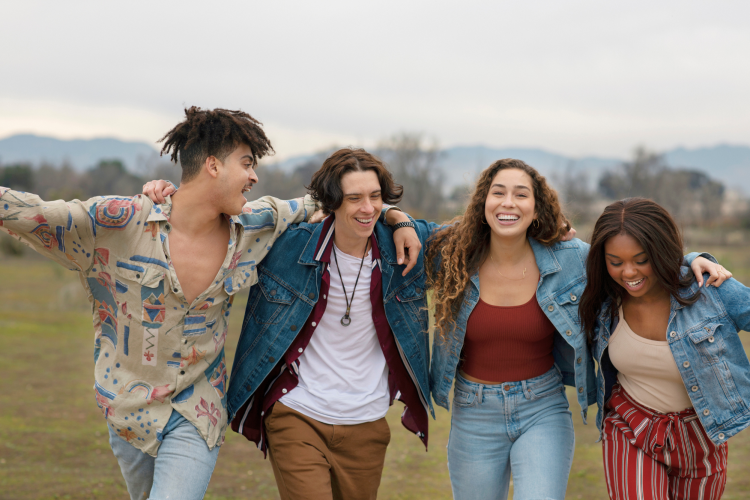
Where the Millennial era ends, Gen Z begins. Born between 1997 and 2012, they've also been called "iGen" for growing up with smartphones or "Homelanders" for coming of age in the post-9/11 era of homeland security. Gen Z are true digital natives as practically all of them grew up with the internet as an everyday reality. They received cell phones at relatively young ages, which quickly became smartphones, essentially putting computers in their pockets 24/7.
Most have never used a typewriter or scanned newspaper movie listings. Also called "Zoomers," research suggests this generation faces significant emotional challenges, including high levels of stress and depression. What’s more, social media's amplified reach often causes them to place unrealistic demands on themselves, which leads to anxiety, comparison culture and burnout at an early age.
But this doesn’t mean they've checked out of reality. They're highly engaged in politics and social issues, with the internet amplifying their awareness. They've been instrumental in anti-war movements, gun control advocacy and climate activism, though they often prefer confrontational protests over traditional voting and organizing. Along with the ever-expanding Gen Z slang, this has frustrated older generations and it remains to be seen how they'll impact global politics as they mature.
Some Gen Z icons you may be familiar with include names like Greta Thunberg, Naomi Osaka, Simone Biles, Malala Yousafzai, Zendaya and Kylie Jenner — all of whom inspire trends, values and even the types of Gen Z gifts people choose today.
8. Generation Alpha
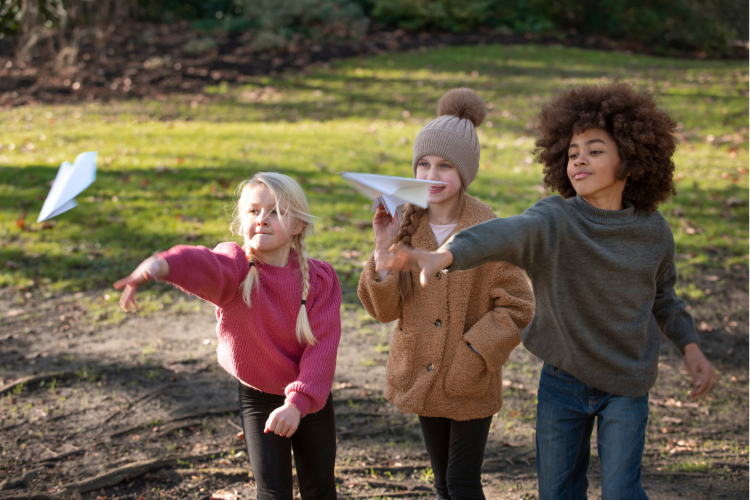
Gen Alpha includes everyone born from 2012 through 2024. As the kids of millennials, this group is projected to be the biggest generation we've ever seen. While Gen Z grew up as digital natives, Gen Alpha are true smartphone natives. They literally can't remember a time before having endless information right at their fingertips. Teachers have expressed concerns about this affecting their reading skills and focus, especially since they're so accustomed to absorbing content through bite-sized videos on platforms like TikTok. Plus, they're coming of age right as AI becomes a hot-button issue.
But, like every generation before them, there's a flip side. Gen Alpha is even more plugged into activism than Gen Z, showing real passion for social justice causes. They're also the most technologically skilled group we've seen and not just as consumers — they're creators too — displayed in the tech-forward Gen Alpha slang. More than half of American kids under 16 are active on Roblox, where they're actually learning to code and build games. However, they're maturing in a world that feels more unstable than at any time since the Cold War, and many older folks worry about these young people being pulled toward extreme viewpoints. As they move into high school and college, it'll be fascinating to see how different generations respond to their influence on society.
9. Generation Beta

We're entering a new era from 2025 onward, with the arrival of Generation Beta. These are the kids who'll be born from 2025 through 2039 and by 2035, they’ll represent about 16% of people worldwide. They'll be the offspring of younger millennials and older Gen Zers and many of them will actually live to see the 22nd century. Generation Beta comes after Generation Alpha (2010–2024), and the shift to Greek alphabet naming signals a move toward entirely new generations that will grow up in a fundamentally transformed world.
Generation Beta will probably be the first to grow up with self-driving cars as normal, health-monitoring wearables as standard and fully immersive virtual worlds as just part of everyday life. Their early years will be defined by extreme personalization as AI will customize everything from their education to their shopping to their social connections in ways that would blow our minds today. And when we look at different generations in order, Beta represents a true turning point in human experience.
The differences between generations aren't just interesting trivia or marketing categories. They play a genuinely significant role in shaping the fabric of our society and how each of us forms our individual identity. In fact, understanding these different generations in order, from oldest to youngest, gives us valuable insight into the diverse perspectives that coexist in our workplaces, communities and families today. At the end of the day, mutual understanding across generations isn't just nice to have; it's essential for creating a society where everyone feels heard, valued and connected.
For fun and exciting multigenerational ideas for connection, check out the experiences happening on Classpop!