47 Gen Z Slang Words To Glow Up Your Rizz in 2026

If you have Gen Z kids, nieces or nephews in your life, you may have noticed some new lingo or Gen Z slang they're using. The Gen Z generation refers to people born between the late 1990s and 2012, which means most of them are in college or high school now, and since they grew up surrounded by mobile technology, they're one of the most digitally literate generations. A combination of memes, videos and social media content has contributed to the Gen Z slang we encounter in everyday conversations and online interactions.
What are some Gen Z slang words to know? If you want to stay in the loop and actually understand what the younger folks in your life are talking about, getting familiar with their language is a great place to start. It's one of the easiest ways to bridge that generational gap and keep those connections strong; whether you're shopping for gifts for Gen Z or just trying to have a conversation that doesn't end with confused looks all around.
And if you're wondering what new-gen slang you can learn, you'll find some words and phrases pop up all the time thanks to TikTok, Instagram, music, memes, and whatever else is trending online. You've probably heard terms like "rizz," "skibidi'" and "slay" thrown around and wondered what they meant. These seemingly random words are actually how Gen Z talks to each other every single day, whether they're texting, posting online or chatting in person.
And honestly, understanding this language can be just as valuable as finding the perfect gifts for millennials or their younger Gen Z siblings, especially if your goal is to connect with them on their level. Below, we break down all the most popular Gen Z slang terms you're likely to hear today to keep you in the know.
Jump To Section
Gen Z Slang Words
1. Snack

Meaning: A term used to describe someone you find physically attractive or appealing.
Usage: To compliment someone's appearance or express attraction. Sometimes extended to "a whole meal" or "a full-course meal" to emphasize that someone is extremely attractive.
Examples:
"Did you see her? She's a whole snack."
"That guy at the gym is such a snack."
"Everyone at the party was looking like snacks."
2. Glow Up
Meaning: A significant positive transformation in someone's appearance, confidence or overall life situation.
Usage: To describe when someone has improved dramatically, often referring to physical appearance but can also mean personal growth. Can be used as a noun ("What a glow up!") or verb ("She glowed up").
Examples:
"She really had a glow up since high school."
"I'm working on my glow up for summer."
"His glow up was incredible after he started working out."
3. Take Several Seats
Meaning: A sassy way to tell someone to sit down, be quiet, and mind their own business.
Usage: Used when someone is annoying you, overstepping boundaries, or talking too much about something they shouldn't. Sometimes shortened to just "take a seat" or "have a seat" for a less dramatic effect.
Examples:
"She needs to take several seats with all that drama."
"Take several seats, nobody asked for your opinion."
"Before you say anything else, take several seats."
4. CEO

Meaning: When you're the CEO of something, it means you're exceptionally skilled at it or have completely mastered that particular thing.
Usage: To acknowledge someone's expertise or dominance in a specific area. Often used humorously or ironically, not just for actual achievements.
Examples:
"She's the CEO of being late."
"He's literally the CEO of dad jokes."
"I'm the CEO of procrastination."
5. Stan
Meaning: A combination of "stalker" and "fan," referring to an extremely devoted, passionate fan of a celebrity, artist or even a concept.
Usage: Can be used as both a verb (to stan) or noun (a stan) to express intense admiration and support. "Stan culture" refers to the community of superfans, and you can stan people, music, shows or even ideas.
Examples:
"I stan Shakira so hard."
"We stan a queen."
"She's my ultimate stan."
6. Drip
Meaning: A term describing someone's impressive style, fashion sense or overall cool aesthetic.
Usage: To compliment someone's outfit or acknowledge their fashionable appearance. "Dripping" means looking exceptionally stylish. It can also refer to expensive jewelry or accessories.
Examples: "
Your drip is insane today."
"He's always got that drip."
7. Fam
Meaning: A shortened version of "family" but used to refer to your close friends or squad.
Usage: As a casual way to address your friends, similar to how Millennials use "bro." It can be used as a term of endearment or casual greeting with virtually anyone in your social circle.
Examples:
"What's up, fam?"
"Love you, fam."
"My fam and I are going out tonight."
8. Bop
Meaning: A song or album that's exceptionally good, catchy and makes you want to move.
Usage: To describe music that's enjoyable and has a great beat. "Absolute bop" or "straight bop" for emphasis. Sometimes used for things beyond music if they're really enjoyable.
Examples:
"This new song is a bop."
"Every track on that album is a bop."
"We need to add this bop to the playlist."
9. Sendy
Meaning: Originally from extreme sports culture, meaning to go all out without hesitation or holding back.
Usage: To describe doing something boldly or to reference something exciting. "Full send" means going completely all-in on something without reservations.
Examples:
"Let's get sendy this weekend."
"We're getting sendy at the party tonight."
10. Cancel Culture

Meaning: The practice of withdrawing support from public figures, companies or organizations after they've done or said something considered objectionable or offensive.
Usage: To describe the phenomenon of mass public shaming and boycotting. "Canceled" means someone has been publicly shamed and lost support. It can be used seriously or jokingly.
Examples:
"He got caught up in cancel culture."
"They're trying to cancel her over that tweet."
11. Sheesh
Meaning: An exclamation used to hype someone up when they're looking good, doing something impressive or achieving something noteworthy.
Usage: To express amazement, approval or to celebrate someone's success or appearance. Often drawn out ("Sheeeesh") for extra emphasis, sometimes accompanied by specific hand gestures or poses.
Examples:
"Sheesh, that outfit is fire!"
"You got an A? Sheesh!"
"Sheesh, he really did that."
12. Mustard
Meaning: After Kendrick Lamar used this term in his song "TV Off," it became slang for confidence, style and flair. If you’ve been wondering how do you say "cool" in Gen Z slang? This is the term you’re looking for.
Usage: To describe something that's impressive, stylish or done with swagger. Picked up through meme culture and typically used to acknowledge someone's swag or coolness factor.
Examples:
"That fit is mustard."
"He's got the mustard."
"Your presentation was straight mustard."
13. Living Rent-Free
Meaning: When something or someone is constantly on your mind without you being able to control it.
Usage: To describe being unable to stop thinking about something, whether it's bothersome, funny or just memorable. Sometimes extended to "living rent-free in my head" for clarity.
Examples:
"He's living rent-free in her mind."
"This song has been living rent-free in my brain all week."
14. Dank
Meaning: Something that's excellent, of very high quality or exceptionally good.
Usage: To express approval or acknowledge that something is top-tier. Originally associated with meme culture but has expanded to describe anything impressive or cool.
Examples:
"That meme is dank."
"This food is dank."
"Those are some dank sneakers."
15. W or L
Meaning: W stands for "win" and L stands for "loss" or "lose."
Usage: To quickly judge or label situations, decisions or outcomes as either good (W) or bad (L). Can be used as standalone comments or reactions. "Taking the W" means claiming victory, while “Taking an L” is Gen Z slang for bad.
Examples:
"Getting that promotion is a huge W."
"Missing the concert was such an L."
"That's a W in my book."
16. Bet

Meaning: A simple affirmation meaning "yes," "okay," or "sounds good."
Usage: To confirm plans, agree with something, or acknowledge what someone said. Similar to how Millennials use "word." Can also show enthusiasm or confidence in something.
Examples:
"Want to grab lunch?" "Bet."
"I'll see you at 5." "Bet."
"Can you help me later?" "Bet, I got you."
17. Ghost
Meaning: When used as a verb, it means to suddenly cut off all communication with someone without explanation.
Usage: To describe disappearing from someone's life, typically in a dating context, by ignoring their messages and calls. "Ghosting" is the noun form describing this behavior and it can happen in friendships too, not just romantic situations.
Examples:
"He totally ghosted me after our date."
"I got ghosted again."
18. Vibe Check
Meaning: An assessment of someone's current energy, mood or overall atmosphere.
Usage: To evaluate how someone is feeling or what kind of energy they're bringing to a situation. It can be used seriously to check on someone's well-being.
Examples:
"Let me do a quick vibe check on this party."
"The vibe check is telling me something's off."
19. Finna

Meaning: When people ask what is tough Gen Z slang, Finna is up there for sure. This word is a shortened, casual way of saying "fixing to" or "going to."
Usage: To indicate you're about to do something or have plans to do something soon. Primarily used in informal conversation and text messages.
Examples:
"I'm finna go to the store."
"We finna leave in five minutes."
20. Hits Different
Meaning: When something is better or more enjoyable than usual or than expected.
Usage: To express that something has a unique or superior quality in a specific context. Can be used for virtually anything: food, music, experiences, feelings.
Examples:
"Coffee in the morning just hits different."
"This song hits different at night."
21. The Tea
Meaning: Gossip, news or the inside scoop on what's happening.
Usage: To ask for or share juicy information, drama or the latest news. "Spill the tea" means to share gossip. "Hot tea" refers to especially juicy or fresh gossip.
Examples:
"So what happened? Give me the tea."
"Spill the tea, sis."
22. Periodt
Meaning: An emphatic way to end a statement, adding finality and intensity to your point.
Usage: To emphasize that what you just said is final, true and not up for debate. Adds extra emphasis compared to just "period," almost like "PEER-ee-ut," where the "t" is a quick, firm tap of the tongue, adding sass and finality, unlike a standard "period" which ends softly.
Examples:
"She's the best, periodt."
"I'm not going, periodt."
"That's the truth, periodt."
23. Catch These Hands
Meaning: A confrontational phrase meaning you're ready to fight someone physically.
Usage: Used in contentious situations to threaten or challenge someone to a fight. Generally used more playfully or hyperbolically than as an actual threat, though context matters.
Examples:
"Keep talking and you're gonna catch these hands."
"If he doesn't stop, he's about to catch these hands."
24. Boujee
Meaning: Short for "bourgeois," describing someone or something that's fancy, high-end or luxurious.
Usage: To characterize people, places or things that are extravagant or have expensive tastes. It can be used admiringly or mockingly. Sometimes spelled "bougie." Popularized by the Migos song "Bad and Boujee."
Examples:
"That restaurant is so boujee."
"She's acting all boujee now."
"I'm feeling boujee today."
25. Drag

Meaning: To harshly criticize, mock or call someone out.
Usage: To roast someone or expose their flaws, often publicly. Often associated with social media call-outs and comebacks.
Examples:
"She dragged him on Twitter."
"Don't drag me like that."
"The comments are dragging that post."
26. Iykyk
Meaning: Acronym for "if you know, you know," referencing an inside joke or shared experience.
Usage: To indicate that something is only understood by a specific group of people who were there or are in the know. Creates a sense of exclusivity or shared experience among those who understand the reference. It's typically pronounced by spelling out the individual letters: "I-Y-K-Y-K".
Examples:
"Last night was crazy, iykyk."
"The struggle of working retail, iykyk."
27. Finesse
Meaning: To skillfully trick, manipulate or smooth-talk someone or a situation to get what you want.
Usage: Can be used admiringly for clever negotiation or critically for manipulation. "Finessing" is the verb form.
Examples:
"He finessed his way into the VIP section."
"I finessed a discount."
"She's always trying to finesse something."
28. Salty

Meaning: Feeling bitter, upset, jealous or annoyed about something.
Usage: To describe when someone is clearly bothered or jealous but trying not to show it. It can range from mild annoyance to serious bitterness depending on context and tone.
Examples:
"Why are you so salty about it?"
"Don't get salty just because she won."
"He's acting salty because he wasn't invited."
29. I'm Weak
Meaning: A phrase indicating you find something so funny that you're metaphorically weakened by laughter.
Usage: To express that something is hilarious and has you laughing uncontrollably. Similar to "I'm dead" or "I'm dying" — all express finding something extremely funny.
Examples:
"That joke has me weak."
"I'm weak, I can't stop laughing."
30. Cap
Meaning: A lie or something that's false or exaggerated.
Usage: To call out dishonesty or reassure someone you're telling the truth. "No cap" means you're being truthful and honest. "Capping" is the verb form meaning to lie.
Examples:
"Bro, you're capping so hard right now."
"That's cap, it didn't happen like that."
"No cap, I'm being serious."
31. Main Character
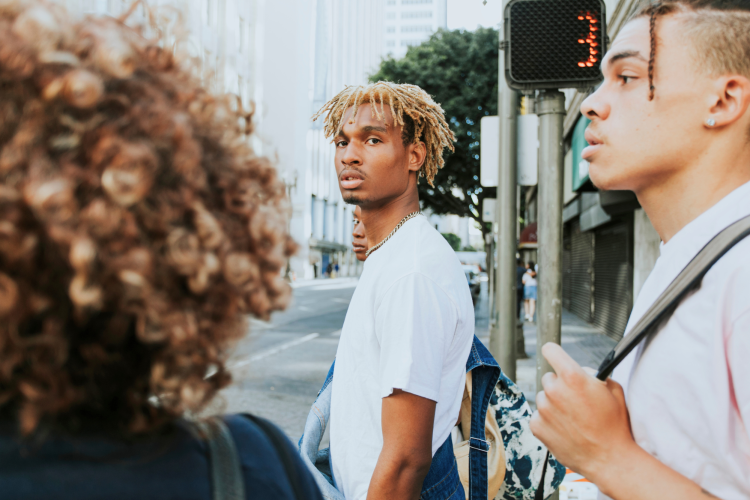
Meaning: Someone who is charismatic, well-liked, and seems to be the center of attention, like a protagonist in a movie.
Usage: To describe someone who's confident and commands a room, or someone making a memorable scene. Can be positive (confidence) or slightly mocking (someone being dramatic). Related to "main character syndrome."
Examples:
"She's got main character energy."
"He's living like he's the main character."
"Main character moment right there."
32. Cheugy
Meaning: Something that's outdated, uncool or trying too hard to be trendy but missing the mark. It's one of the Gen Z slang terms for bad.
Usage: To describe styles, behaviors or trends that are no longer fashionable or were never truly cool. Often associated with millennial trends that Gen Z considers outdated, like certain décor or fashion choices. Prounounced "CHOO-gee."
Examples:
"That aesthetic is so cheugy."
"Live, laugh, love signs are cheugy."
"Am I being cheugy right now?"
33. Sis
Meaning: A shortened version of "sister," used as a friendly greeting or term of endearment.
Usage: To address friends regardless of their gender, similar to "bro" or "dude." Can convey support, solidarity or just casual friendliness. Tone varies from sweet to sassy.
Examples:
"Hey sis, what's up?"
"Sis, you need to hear this."
"Okay sis, I see you."
34. Ohio
Meaning: Originating from bizarre internet memes, Ohio has become a general term representing anywhere weird, chaotic or absurd.
Usage: To describe strange situations or places where unusual things happen. Part of the "Ohio lore" meme culture. Phrases like "Meanwhile in Ohio" typically accompany weird content.
Examples:
"This is giving Ohio energy."
"That's so Ohio."
35. Slaps
Meaning: Used to describe something that's exceptionally good or impressive.
Usage: Typically for music but can apply to anything that exceeds expectations.
Examples:
"This song absolutely slaps."
"That burger slaps."
"The new album slaps hard."
36. High-Key
Meaning: The opposite of low-key, meaning openly, obviously or very much.
Usage: To emphasize that you're being upfront about something rather than subtle. Expresses intensity or lack of subtlety. Used when you're not hiding your feelings about something.
Examples:
"I'm high-key excited about this."
"That's high-key annoying."
"High-key want to leave right now."
37. Bussin'

Meaning: A quirky term meaning something tastes delicious or is exceptionally good.
Usage: Primarily used to describe food that's amazing but can apply to other great experiences. Sometimes extended to "bussin' bussin'" for extra emphasis on how good something is.
Examples:
"This food is bussin'."
"Grandma's cooking is always bussin'."
"That recipe was bussin', no cap."
38. Rizz
Meaning: A shortened form of "charisma," used to refer to someone's charm or flirting skills.
Usage: To say someone is charming or to describe their dating and flirting abilities. There's also "unspoken rizz," which describes someone's natural charm, or "to rizz someone up," meaning to flirt with them. Similar to the older phrase "you've got game."
Examples:
"He's got mad rizz."
"I'm impressed with your rizz."
"You need to work on your rizz."
39. Sus
Meaning: Short for "suspicious," indicating something seems off, shady or not quite right. It's one of the Gen Z slang terms for bad.
Usage: To express doubt about something or someone's behavior or intentions. Popularized by the game Among Us. It can range from playfully suspicious to genuinely concerning.
Examples:
"That's sus."
"Why are you acting so sus?"
"His story sounds sus to me."
40. Brainrot
Meaning: The deteriorated state of being disconnected from reality due to consuming too much hyper-stimulating or chronically online content.
Usage: To describe the mental fog from excessive exposure to addictive internet content and buzzwords. Often associated with excessive use of terms like "skibidi," "fanum tax," and "rizz." Derived from the idea that consuming too much stimulating or low-quality content causes your brain to metaphorically "rot."
Examples:
"I have terminal brainrot from these TikToks."
"That gave me instant brainrot."
"My feed is pure brainrot."
41. Snatched
Meaning: When someone looks really good, particularly when their outfit or appearance is on point.
Usage: To compliment someone's style, body or overall look. Often used for particularly fitted or flattering clothing. Can also describe makeup, hair or overall aesthetic.
Examples:
"Your outfit is snatched."
"She looks snatched tonight."
"That dress has you looking snatched."
42. Pick Me Energy
Meaning: Describes someone who's a try-hard, attention-seeking and inauthentic in their behavior to gain approval or stand out.
Usage: Used as an insult for people who act loudly, obnoxiously or differently just to get noticed, rather than being genuine. A "pick me girl" or "pick me boy" tries too hard to be chosen or noticed, often by putting others down.
Examples:
"She's got major pick me energy."
"Stop with the pick me vibes."
"That comment reeks of pick me energy."
43. Guap
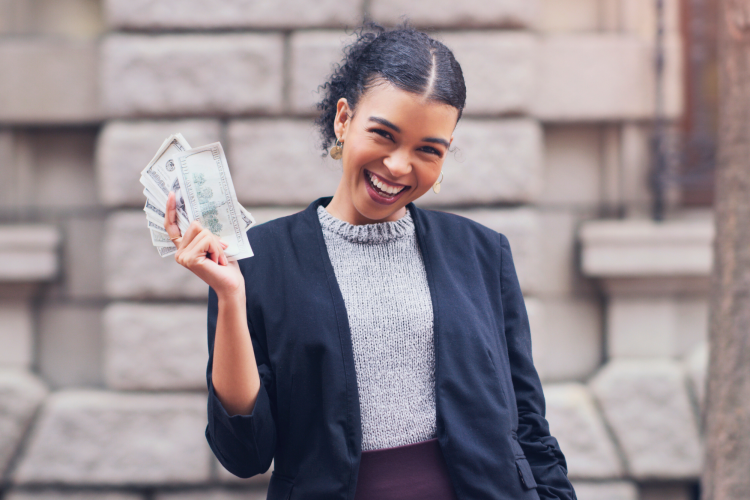
Meaning: Slang for money; a lot of it.
Usage: Part of a long tradition of creative slang terms for money. Emphasizes having substantial amounts.
Examples:
"He's making that guap."
"Stack that guap."
"I need to get some guap."
44. Camp
Meaning: Something that's ironically trendy or so bad it's good, often with an over-the-top or kitschy aesthetic.
Usage: To describe things that are deliberately exaggerated, theatrical, or that embrace tackiness as a style. Has roots in queer culture and fashion. Celebrated at events like the Met Gala's "Camp: Notes on Fashion" theme.
Examples:
"Crocs are totally camp."
"That outfit is camp."
"The camp aesthetic is everything."
45. Smol
Meaning: An intentional misspelling of "small," used to describe something tiny and adorable.
Usage: Part of internet speak that emphasizes cuteness through deliberate misspelling. Often paired with other cute descriptors.
Examples:
"Look at that smol puppy."
"That's the smol version."
46. Extra

Meaning: Someone who is over-the-top, dramatic and takes things to an extreme level of flamboyance.
Usage: To describe people who do the most, often in entertaining or attention-grabbing ways. Can be used critically or affectionately, depending on tone. "Doing the most" is a similar phrase.
Examples:
"She's being so extra right now."
"Why are you so extra?"
"That outfit is extra, but I love it."
47. Woke
Meaning: Being socially and politically aware, particularly regarding issues of social justice and inequality.
Usage: To describe someone who's conscious of systemic issues and actively engaged in progressive causes. It can be used genuinely or mockingly, depending on the speaker's perspective. Sometimes used sarcastically to criticize performative activism.
Examples:
"He's really woke about environmental issues."
"Stay woke."
"She's been woke since high school."
Just when parents got a grip on Gen Z slang like skibidi, rizz and you ate, now there are new terms popping up faster than grey hair a few weeks after a dye job.
Whether you're trying to keep up with your kids, connect with younger coworkers or just don't want to feel completely lost when scrolling through TikTok, now you've got the vocab to back it up. Just remember, this stuff changes pretty fast, so what's fire today might be cheugy tomorrow. The key is to stay curious and not be afraid to ask what something means when you hear a new term.
Gen Z appreciates when you make the effort to understand their world rather than just rolling your eyes at it. And honestly, learning their lingo is way more fun than trying to figure out gifts for boomers who insist they don't need anything — at least with slang, you can actually use what you learn! Now go forth and sprinkle some of this Gen Z slang into your conversations. Just maybe don't overdo it or you might catch some "pick me energy" vibes.
Want to make your gift ideas a little extra? Make sure they slap with a Classpop! experience.