57 Simple Home Office Ideas to Ignite Productivity in 2026

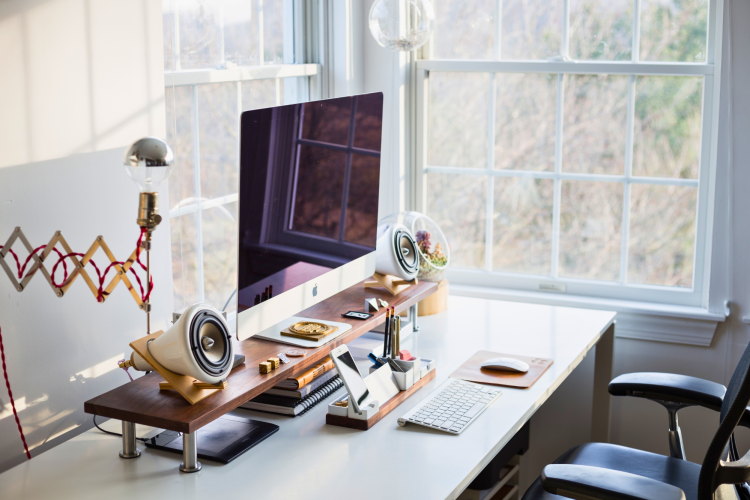
Congratulations, you just received word that your office will soon be working remotely, which means you’re on the hunt for some home office ideas. You may be wondering, how do I set up a good home office? How do I style my home office? How can I make my home office more welcoming?
This list of 57 simple home office ideas will ignite productivity by helping you generate plans for a plethora of home office designs and concepts that will also meet your needs as a remote worker of the 21st century.
Jump to Section
- Setting Up a Home Office for Remote Work
- Home Office Setup Checklist
- Simple Home Office Ideas
- Modern Home Office Ideas
- Small Office Design Ideas
- Modern Home Office Decor Ideas
- Modern Home Office Desk
- Best Home Office Setup for Productivity
Setting Up a Home Office for Remote Work
Remote work is a significant cog in the global workforce machine. According to a study by the Pew Research Center, 35% of those who can work from home full-time, do. That means creating a space that is comfortable, productive and inspiring to work in is essential now more than ever.
However, working from home comes with its own list of distractions: pets, kids, spouses, neighbors, the temptation to turn on the TV. It can be challenging to maintain a consistent routine without the structure of an office.
One way you can bypass a few of these obstacles is by crafting a dedicated workspace. From simple and small home office ideas to modern and luxurious home office ideas, you can create a workplace that works for you and your budget.
Home Office Ideas Setup Checklist

Creating a home office checklist is a proven strategy to create a productive space. To help you stay on track when putting a list together for home office ideas, remember to FOCUS:
F: Furniture and Fixtures
When it comes to home office ideas, keep comfort at the forefront of your queries. A comfortable workspace is good for the mind and the body. Furniture and fixtures play an important role in personalizing comfort to support your aesthetic while also reducing the likelihood of chronic pain. Think furniture to live in and fixtures to vibe with.
O: Organize
The world of shelving is vast. There are endless ways to keep stationary organized to promote a clutter-free space. Even in small spaces, there are tons of home office ideas to help you keep your space clean, clear and functional.
C: Connectivity
A space can be filled with the best, most stylistic home office ideas, but if it’s not functional then you might as well work from the bedroom! Before choosing what should go into your new home office, make sure to gauge the efficiency of your internet, what cables you may need and where you’ll put the router if you need one.
U: Utilities
Utilities cover everything from computers to monitors to webcams, microphones and printers. Think of utilities as anything you'll need to get your work done.
S: Style
Now that you’ve paid special attention to the necessities, it’s time to start considering style. What color do you want to paint the walls? What kind of decor do you want to keep around? Make a mood board and surf the web for DIY home decor or gifts for new homeowners for inspiration.
Simple Home Office Ideas
1. Choosing a Throne

Think of an office chair as your very own throne. You'll spend hours sitting in this chair everyday and a bad office chair can cause you a lot of pain. That’s why, when thinking about this home office idea, it’s important to research chairs that are designed to support posture and reduce strain on your body.
There’s even a chance that your company may be able to provide you with an ergonomic office chair through a reimbursement program, so check with your manager.
2. Your Own Home Goods
Before you spend money on home office ideas like furniture, fixtures and decor, save a buck and shop around your basement, attic or storage room.
There may be something hiding in those nooks and crannies that you’ve forgotten about that would make the perfect focal point for an art wall or a wonderful addition to your desk decor. Maybe you have a few extra lamps lying around and maybe even an old desk! Or maybe you bought some odds and ends from IKEA and can use these IKEA desk hacks to create something new.
3. Pin Boards
This is a surprisingly versatile addition to simple home office ideas for small spaces. Pin Boards provide a dedicated space to store important documents, plan visually, display some office decor or hang up motivational quotes for work. That covers two of our FOCUS letters: organization and style.
4. Reusable Calendar
Environmentally friendly? Cost effective? Easily updated? Could these home office ideas get any better? Reusable calendars help to reduce paper waste while also eliminating the need to buy a new calendar each year.
Not only that, but for many, having a visual calendar that’s easy to locate makes keeping track of important dates a lot easier. There’s no need to turn on the computer and open your email calendar or flip through the pages of a worn-out planner.
5. Fake Foliage

Your office doesn’t have to be filled with light to have plants, but you may want to steer clear of the real ones. Luckily, there are plenty of fake plants that look just like their photosynthesizing friends.
Even if you do have enough light, watering plants and keeping up with their care can be a hassle. Not to mention bug infestations during the hot and humid months. Fake foliage will bring in a bit of a natural charm without the pressures of plant care — you’ve got enough on your plate. Home office ideas like this help to create a sense calm and life of without the care.
6. Wall Appeal
Think of your home office like a painting and in many paintings, there’s a focal point. An accent wall can act as the focal point of your office. It will draw the eye and make the space more visually intriguing and aesthetically appealing.
So, for this home office idea, consider incorporating a vibrant color or a bold texture to a wall in your office. The hardest part will be figuring out which wall to accent. An accent wall is a wonderful highlighter, emphasizing whichever area it's placed in whether that be behind your desk or a bookshelf.
7. Bring the Fam to Work
An office shouldn’t be stuffy. You should enjoy working, creating and simply existing in this space, so don’t be afraid to hang up a few family photos or display that silly rock project your kid made six years ago.
Too often, we focus too much on the chic side of office decorating, so we tend to dismiss cherished family relics in the name of aesthetics. Let’s break the stigma for home office ideas like this and turn those relics into heart-fulfilling decor.
8. Light vs Dark

The color of your walls will have a great impact on the look and feel of the space, so you’ll want to consider all your options like light paint or dark paint.
Lighter colors like white, beige, nude, etc. reflect natural and artificial light, brightening the room and providing an airy atmosphere, perfect for smaller offices. Darker colors like deep blues, greens, and grays scream sophistication and ambiance. Or, you can include both color home office ideas as suggested in point number 6 on feature walls.
9. Warm vs Cool
What about warm vs. cool tones? Warmer tones like reds and oranges are stimulating and inviting. They can help keep the room energized and therefore, promote creativity. However, warmer tones tend to make the room feel physically hotter, believe it or not.
On the other hand, cooler tones like purple, green and blue will literally make the room feel cooler. Cooler tones give off an air of professionalism, fostering both calmness and focus. For great home office ideas and color inspiration, trawl through sites like Pinterest.
10. Soft vs Bright
Have you explored soft vs bright colors? If you want to make a statement, go bold with a vibrant and dramatic color that is sure to catch the eye like a bright pink or yellow. If that’s not quite your vibe, muted tones and pastels provide timeless elegance and sophisticated appeal.
11. Window Control = Heat Control

Do not put drapes or curtains at the bottom of your home office ideas list. If there are windows in your office space, you’re going to need to look into window control. Drapes and curtains will help keep the office space cooler throughout the day, providing a much-needed respite from the sun’s intrusion.
Plus, they are great for privacy! If you’ve got a full house and a backyard, sometimes things can get a bit distracting. So give yourself the option of blocking out any outdoor distractions if you need to.
Modern Home Office Ideas
12. Fidget Central
A professional home office can still have playful elements and fidget toys are an excellent way to boost creativity, improve focus and reduce anxiety in an accessible and non-disruptive way. If you're constantly playing with your hands or picking your nails, you may find it more beneficial and relaxing to pick up a fidget toy instead.
What makes home office ideas like this so fun is that there are tons of small, inconspicuous fidget toys to choose from. Keep them in a specific spot on your desk or keep a small basket of them on an easily reachable shelf.
13. Coffee Station

Sure, you could walk to the kitchen to make a cup of joe. But if you’re a coffee enthusiast, a coffee station, similar to a bar cart, is a great way to display your hobby while also adding a bit of functional decor to your space.
Get a boost of energy at your convenience and turn your daily coffee intake into an enjoyable work ritual. A coffee station should be at the top of your list of office breakfast ideas. Consider items from Hario, Kalita, Aeropress, Chemex and Fellow.
14. Front Office
If your job entails frequent visits to your home office, you may want to consider a front office. Home office ideas like this may sound strange at first, but it’s actually a convenient solution for both you and your clients.
It’s easier to bring clients into the office for in-person meetings when all they have to do is simply step into the front door. Also, a front office can help easily separate your personal life from your professional life because — how often do we hang around the very front of our houses anyway? This boundary leads to a greater work-life balance.
15. From Shed to Office
If you’ve never heard of a “shoffice” before, you’re in luck. This advantageous plan is a gem of modern home office ideas. If you don’t have the space for a home office inside, consider turning a shed into a home office, also known as a garden office, outside – talk about work-life balance.
A well-designed garden shed can even add value to your property's home and is a much more cost-effective option than adding an extension or renting an alternative office space.
16. Rethink the attic

Similar to a shoffice, an attic office provides a separate place to work away from your living area by taking advantage of an underutilized space. But this time, we’re keeping things inside.
By starting from scratch in your attic, you can customize and build out the space to fit your needs and preferences. Just make sure that there is ventilation up there, especially if things tend to get extra hot and humid during the Summer months.
17. Cloffice
Unlike a shoffice or an attic office, a cloffice maximizes the use of an existing space by giving it two separate purposes: a closet and an office.
A cloffice can provide a quiet and serene area to work away from the rest of the house. Closets are designed for organization so they typically already come with built-in storage too.
18. Cabinet Shelving

Speaking of storage, it’s important to consider different types of shelving, especially to help with decluttering your home. You may be wondering, how can I maximize my small home office? Well, effective storage solutions can make or break a productive office space and it’s important to consider what works best for you.
Cabinet shelving, for example, hides clutter by keeping items out of sight. They provide a uniform appeal and more protection for your valuable items. But it’s easy to get into the habit of tossing, shutting and forgetting.
19. Open Shelving
On the other hand, open shelving gives an airy feel to any office and will even make smaller home offices feel bigger. They’re great for keeping items accessible and easily visible, so everything’s just within reach.
Plus, they’re great for decorative appeal, adding a decorative element with built-in function to your office space. However, they offer little protection from the elements so things may get dusty or sun-damaged depending on where the shelves are placed. They could also get overly cluttered and used for storing everything from hats to coffee mugs, so make sure that this type of home office idea is used correctly. That means open shelves remain simple, clean and clutter-free.
Small Design Home Office Ideas
20. Cozy Office Cave
Picture this: an office so cozy you’re inspired to dream up new ideas every day. For some of us, we are the most productive when we are the most at ease and small office design ideas lend themselves to comfort.
Basically, the smaller the space the easier it is to create the perfect comfy enclave. For some cozy home office ideas and inspiration consider twinkly lights, Himalayan salt lamps, essential oil diffusers, soft throw blankets, pictures of far-off mountains, sound machines, mood lights and shag area rugs… to name a few.
You can also look at the Danes for inspiration and follow the concept of hygge. As VisitDenmark suggests, the essence of hygge is "creating a warm atmosphere and enjoying the good things in life with good people. The warm glow of candlelight is hygge. Cozying up with a loved one for a movie – that’s hygge, too."
21. Dive Into Minimalism

The point of a minimalist design is to maximize space by focusing on the use of essential items only. Minimalism is one of the most helpful home office ideas for those of us who are looking to create a clean and simple workspace that’s easy to maintain and visually appealing. Not to mention a minimalist design is budget-friendly, adaptable and sophisticated. This approach also makes a great bedroom office idea.
22. Mirrors
Mirrors are perfect simple home office ideas for small spaces. They create an illusion of space by reflecting light and adding depth, making the room seem larger and more open. Plus, on a practical level, with a few mirrors in your office space you can give yourself a quick pep talk or check your appearance before a video call.
Mirrors come in all shapes, sizes and colors, so no matter the aesthetic you’re going for, a mirror is always a quick, easy and cheap way to add a decorative element to your office space.
23. Library Ladder
Maximize an unutilized space with this home office idea. Now, when you picture a library ladder, you probably picture it surrounded by rich wood, ornate carvings, high ceilings and heavy drapery. A library ladder just sounds gaudy.
When in reality, home office ideas like this open up a ton of space. You can easily access higher shelving with a library ladder. More vertical shelving provides more room and additional floor space. In a small office, it’s important to make use of every inch without feeling confined.
24. Garden Wall
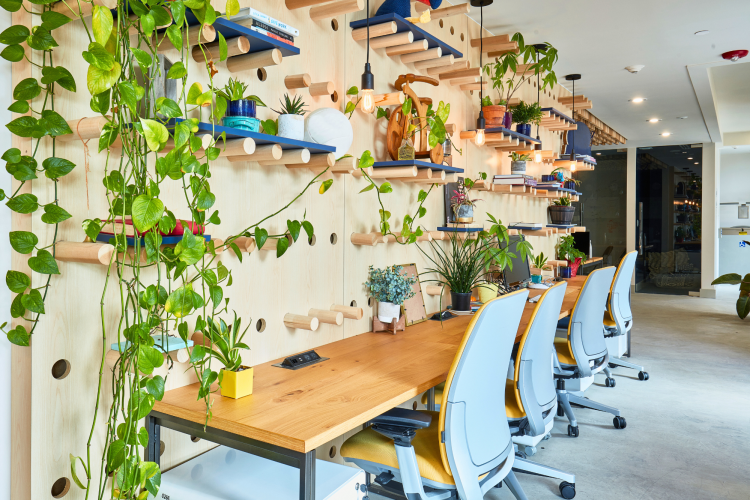
If you liked the home office idea of adding a few fake plants into your space, then you’re going to love home office ideas that include a faux garden wall. Unlike real plants, fake ones maintain their appearance 24/7, meaning you can design the elements of this wall to mimic a variety of plant types and environments even if there’s no way to grow the real thing.
25. Standing Desk
If you’re a mover and also a doer, then you may find that you get easily restless when having to sit all day and in a small office, these feelings will only be exacerbated. Luckily, a standing desk can help combat the sedentary lifestyle of a desk job. This is one of the better home office ideas to stave off some serious long term injury.
Forbes states that the benefits of standing while working can increase energy due to higher blood flow, which means more focus, leading to productivity. Plus, a standing desk can help alleviate back pain, and even potentially lessen the changes of obesity, diabetes and cardiovascular disease according to Harvard Health.
26. Bookshelf Desk

A bookshelf desk is great for a small home office as it frees up some valuable floor space by combining two main elements of office living: a bookshelf and a desk. A bookshelf desk keeps everything within arms reach, fostering an accessible space where all of your office goodies can be easily accessed. Maximize function while maintaining a compact footprint with a bookshelf desk.
Modern Home Office Decor Ideas
27. Peelable Wallpaper
There are plenty of businesses that have perfected the art of making peelable wallpaper, creating an easy-to-install, cost-effective and durable wallpaper that only requires a temporary commitment.
Home office ideas like peelable wallpaper are great for both renters who want to update their decor without damaging their walls and homeowners who want to experiment without any long-term commitments.
28. Thrifting
Modern home office decor ideas don’t have to be pricey. We hear the term “modern” and quickly shy away from the category thinking there’s no way our budgets can compete with the contemporary world. That’s because we associate the words “modern” and “new” as if they are one and the same, and they’re not.
There are plenty of ways to thrift modern home office decor without spending thousands. Check out Facebook marketplace or your local thrifts for some good finds at half the price.
29. Mid-Century Modern
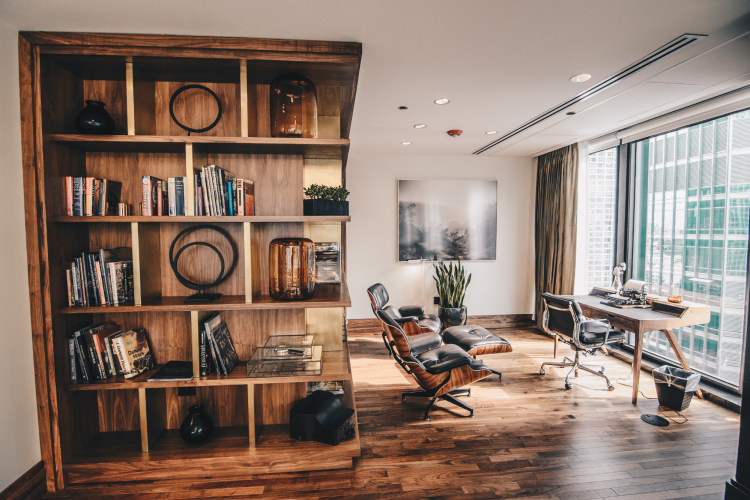
Now, if you’re taking the thrifting route, home office ideas like this may be your ticket to a timeless space. The mid-century modern aesthetic never tires. The minimalist forms and functional designs of mid-century modern furniture will always be in style and there’s no way you won’t come across a mid-century staple while thrifting.
A mid-century modern aesthetic boasts neutral color palettes and sophisticated storage elements that have stood the test of time.
30. Lamps, Lamps and More Lamps
Creating a modern home office is all about ambiance. Turn off the overhead lights and plug in some lamps to elevate your space. Home office ideas like this are especially useful for those of us with sensitive eyes who spend most of our workday looking at a computer screen.
Lamps provide light control, making it much easier to handle on those days when the overhead light just feels like too much.
31. Real Plants

Move aside faux plants, it’s time to make room for the real thing. If you have a green thumb and the space for them, real plants will make a wonderful addition to your modern home office space.
Adding a touch of nature to an office space is proven to help filter toxins from the air, reduce stress and boost creativity according to Healthline. Play around with different pot styles and colors to add an inviting visual element to your space.
32. Hire a Designer
The interior designing profession blends both creative and technical skills to transform spaces into functional and beautiful environments. So if you have the budget for more luxury home office ideas, you may want to consider hiring a designer.
An interior designer will tailor the space to fit your exact needs efficiently, handling both the planning, sourcing and execution of the project.
33. The Great Painter Theme
For a sophisticated office space, go for the great painter theme. The great painter theme pulls in elements and inspiration from the styles associated with the greatest painters of all time. This is a versatile theme that is as much a personal expression as it is an ode to your favorite painter.
Choose a color palette that evokes a famous style of painting like Van Gogh’s Starry Night. Hang up classic reproductions of your favorite artworks and opt for simple, classic and sturdy furniture.
34. Gallery Wall

Emphasize a creative focal point in your space by putting together a gallery wall. A gallery wall is an assortment of art, photos or other decor items that are styled strategically and displayed together on a single wall. They can vary in shape, size and frame depending on the level of cohesion you’re going for.
35. Floating Frames
Speaking of a gallery wall, elevate your home office ideas by incorporating floating frames. Floating frames are all the rage in the current home office world because they easily add a modern flare to any space.
Floating frames give the illusion that the artwork it holds is floating rather than being held up by the frame. They are typically made from clear glass or acrylic to match any home office style.
36. Modern Gothic
Stand out with this home office idea. The modern gothic theme is a classic in the world of modern home office ideas. It typically combines a dark color palette and rich textures with intricate designs to create a dramatic environment that's full of inspiration. It lends itself to being an engaging and sophisticated workspace, making it a great backdrop for any virtual meeting.
37. Coastal Flare
While the nautical theme might not feel modern, it has actually never gone out of style. Let’s be real, who doesn’t love a trip to the beach? So why not bring a bit of that vacation feel into your office space? Its use of light colors, natural materials and other beach-inspired elements help to create and airy and charming atmosphere you will love to work in.
38. Window Seat

It’s easy to feel cramped in a space after eight or so hours of work, which is why it’s important to create a space where you can escape from the computer monitor when you need a bit of a break.
Window seats provide just the kind of a getaway. A window seat, also called a window bench, window nook or alcove, is a small sofa or seating just under a window. Relax and reflect in a cozy enclave to boost mood and productivity.
Modern Desk Home Office Ideas
39. Secretary Desk
There’s nothing more important to your space than a modern home office desk. When choosing a modern home office desk, it’s important to understand some of your options.
A secretary desk, for example, is a functional, space-saving desk that includes shelving compartments and a writing surface with a convenient hinged drop-down front.
40. Live Edge Desk

A live edge desk might sound like some kind of weird organism but in reality, it’s simply a wooden desk that maintains the natural edge of the tree its cut from. In other words, it doesn’t have four sharp corners. The unique aesthetic of a live edge desk will add one-of-a-kind character to your workspace.
41. Corner Desk
This modern home office desk fits snug into a corner of your workspace, maximizing the area without sacrificing function or comfort! A corner desk utilizes a triangular or L-shaped configuration which provides more surface areas elsewhere.
42. Floating Desk
We’ve discussed floating frames, but have you considered a floating desk? A floating desk is mounted to the wall using brackets or hidden supports to make it seem as if the desk were levitating off the ground. This desk is great if you’re going for a minimalist design full of contemporary character.
43. Faux Marble Desk

Marble countertops always provide a space with an elegant, sophisticated feel. However, real marble is pricey. Faux marble on the other hand, provides the same feel at a fraction of the cost.
Best Home Office Setup for Productivity
46. Cable Care
A tidy workspace and productivity go hand-in-hand. It’s hard to focus on what needs to be done if your workspace is full of clutter and cables are more often than not the biggest tidy spacy agitators. When thinking up home office ideas, make sure that cable management is included in the design process.
47. Lumbar Support Pillow
You’ve got an ergonomic desk chair, that’s great. But there are other precautions you can take to ensure that a productive work day isn’t ruined by the searing sting of lower back pain. A lumbar support pillow maintains the natural curve of your back while also helping you to maintain a sustainable and supportive posture.
48. Do Not Disturb

Home office ideas like this are a fun and exciting way to let the rest of the household know that you’re in a meeting or too busy to be disturbed. Buy a simple “Do Not Disturb” door hanger sign to place on the doorknob or have more fun with it and purchase a remote controlled “On Air” sign to hang outside of your office.
You can also set a do-not-disturb feature on your electronics when you're out of the office. This means that there are no work distractions when you're enjoying some downtime or family time. Most apps and smartphones have this feature built-in.
49. Blackout Curtains
In a home office, temperature control is vital considering you are in charge of the BGE bill. During those hot summer months when it’s scorching outside, you may be tempted to turn the A/C down until you remember how expensive last month’s bill was.
Try blackout curtains instead as they can help keep the sun from shining through the windows to control the temperature of your home office.
50. Simple Fan
Home office ideas like this may be simple, but they're often overlooked. In addition to blackout curtains, make sure to keep space on your desk for a couple of desk fans that can plug into your computer monitors. These convenient home office ideas are perfect for when you need a little extra help cooling down.
It's also super helpful to get a small air circulator to maintain a breezy environment, and they're more affordable than A/C.
51. Window A/C Unit
Blackout curtains and desk fans are great if you just need a little help cooling your office down. However, if you’re converting an attic space or garden shed into a home office, you may need some extra reinforcement. A/C units are easy to install and will make your home office feel like a frozen tundra in no time.
52. Noise Canceling

Just because you'll no longer be surrounded by the hustle and bustle of an office full of coworkers, doesn’t mean your space will be without distraction. Minimize distraction, improve concentration and enhance the sound quality of anything you like to listen to with noise-canceling headphones.
53. Large Wall Mounted Monitor
If you’re a visual learner and you have the space, consider adding a wall-mounted monitor into your office. A larger screen size will allow for easier viewing from a distance if you need to take a break from the desk chair to see things from a different angle.
A large wall-mounted monitor can also provide a dedicated display for certain tasks or your calendar. Plus, it can be helpful when hosting virtual team building games, like when you can't make it to the office Olympics.
54. Additional Seating
It’s important to add room for additional seating into your office space — if you have the physical capacity. This is especially important if you'll be frequently inviting guests or clients into your workspace.
55. Multitask with Monitors
For many, using two monitors is a game changer. It always helps you to easily stay organized and keep pace with your projects since you don’t have to sort through a handful of pages open on the same browser. By having multiple applications open at the same time, you can multi-task with ease.
56. Ergonomic Mouse

Alongside back pain, many workers — remote or not — experience wrist and forearm strain. An ergonomic mouse can help reduce this discomfort by providing a more comfortable grip and natural hand position. Home office ideas like this help to reduce the risk of repetitive injury.
57. Keyboard Pad Set
A keyboard pad set typically comes with a large keyboard pad, a mouse pad and a wrist holder. Home office ideas like this come in various designs and will enhance the ergonomic benefits of both your keyboard and mouse experience.
This set is not only a decorative item, but it provides comfort, support and stability as well, contributing to a more productive workspace.
Now that you've gathered a long list of home office ideas, hopefully you feel confident about turning your lived-in space into a working space and maybe you even collected a few gifts for coworkers along the way.
For even more fun gift ideas, check out other experiences happening on Classpop!