37 Best Self-Care Gifts for Health & Wellness in 2026

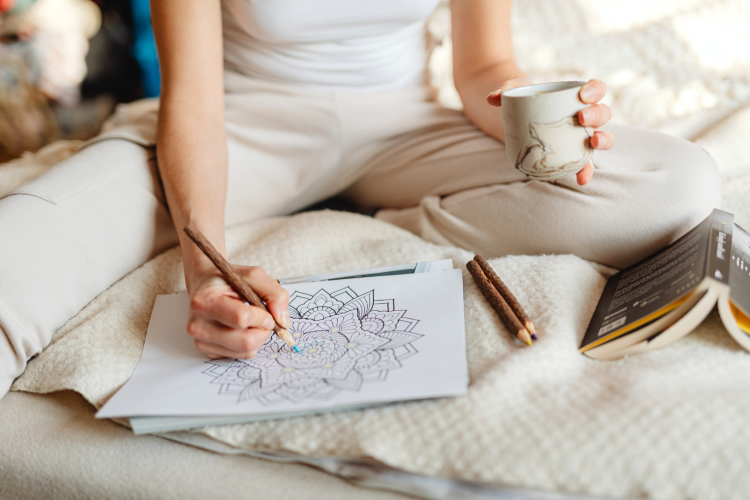
Self-care gifts work best when they fit into real routines, not fantasy schedules. It's about finding the things that slide easily into a Tuesday night: bath salts that help with sleep, a push toward meditation, a journal that lives on the nightstand or a cooking class that helps them manage their prep. The payoff is practical and visible — calmer mornings, looser shoulders and little rituals that repeat.
Redefining what self-care means can help to highlight the importance of having a routine to take care of yourself. Southern New Hampshire University argues that self-care has to be approached from multiple angles. It's not just about emotional well-being; it can be intellectual, physical, spiritual or even environmental.
Do you know someone who is chronically stressed out or doesn’t get much time for themselves? Maybe it's even you? Self-care gifts are thoughtful nudges to encourage them to take some time to reduce their stress and think about something other than work or their responsibilities. Use these gifts to bring a bit of calm to the chaos.
Jump to Section
- Best Self-Care Gifts for Expressing Creativity
- Best Self-Care Gifts for Foodies
- Best Mental Health Self-Care Gifts
- Luxury Self-Care Gifts
- Self-Care Gifts for Employees & Coworkers
- Best Self-Care Gift Baskets
Best Self-Care Gifts for Expressing Creativity
Wondering what to get for a self-care gift? It's all about taking the time to identify something that gently nudges them (or you) into a slower pace. Consider their interests. Are they a bookworm? A home chef? Spa-obsessed? Perhaps they just need a break! The best self-care gifts are the ones they would choose for themselves if they could have anything.
1. Paint and Sip
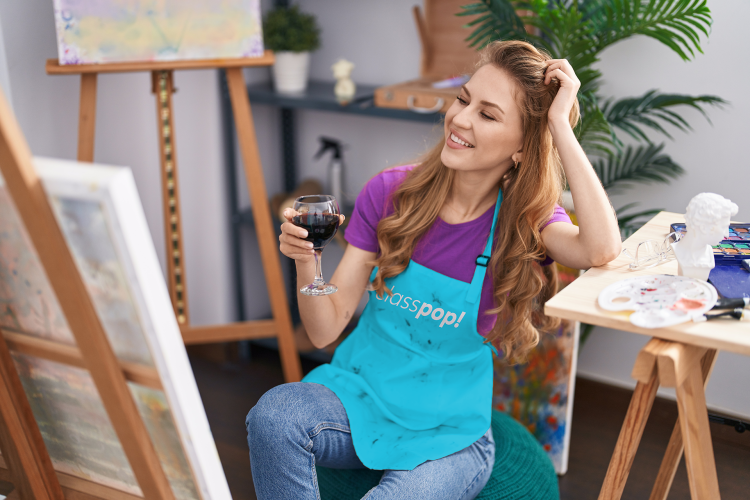
Part self-care gift, part experience gift, booking a paint and sip near you is a fun way to let loose and get creative. With wine and beer often provided and no agenda other than fun, treat yourself and a good friend to a relaxing night of laughs and fun.
Check out paint and sip in Orlando, Las Vegas or Atlanta for open dates and themes. Friends hunting for thoughtful self-care gifts for women will find it hard to beat an experience like this.
2. Art Workshops
The ability to mentally check out of work is an important skill to have. Some find stress relief in exercise like walking or running, while others turn to creative pursuits to let their brains relax. Art classes are the best form of self-care gifts for the artistically inclined person in your life. Check out art classes in Boston, Houston or Bay Area for creative self-care gifts for the person who loves to paint.
3. Pottery Classes
/pottery_classes/Pottery_class_spinwheel.png)
Many art forms have been shown to lower stress and boost mood, but it's hard to beat the soothing nature of pottery. Treat someone special in your life to a local pottery workshop for a fun self-care experience you can do together. Using your hands and getting a little messy is the perfect recipe to unwind from a long week. You'll learn the fundamentals of wheel-throwing and hand-building pottery, opening the door to a creative hobby that sticks.
Check out pottery classes near you with options like pottery classes in Portland, Chicago or Los Angeles. Make your own hand-molded teacup to sip a healthy cup of the best ginger tea or morning coffee as a reward and reminder to slow down and enjoy the little things in life.
4. Classpop! Gift Card
Looking for creative gifts for people who have everything? Give the gift of choice with a fun activity or foodie gift cards. A gift card lets the recipient choose the format and the vibe (knife skills, street-taco night, abstract painting, salsa basics) without guesswork from the giver. It minimises friction while opening the door to something genuinely new, which is why it works well as a low-risk self-care gift that still feels personal.
5. Paint by Numbers

Transform a beloved photo into a relaxing gift with a custom paint-by-numbers canvas, like pet portraits or their favorite vacation spot, or choose from premade options, like serene landscapes, cute animals and more. They'll zone out, following the simple instructions to create a beautiful piece of art as they unwind.
6. Annie’s Kit Club Membership
If you know someone whose idea of self-care is a quiet corner for knitting or crafting, then a membership to Annie’s Kit Club is their ideal self-care gift. Simply choose a craft like knitting, crochet or jewelry making and Annie’s will mail an all-inclusive kit right to their doorstep. The kit contains everything they need to complete a fun project. Getting into the zone of a craft idea is a great way to de-stress and zone out healthily.
7. Seven Days of Mindfulness Puzzle Set

Just like getting absorbed into a painting or pottery project can help take their mind off the stress of everyday life, zoning in on a puzzle has the same effect. This engaging gift comes in a convenient box featuring seven different 70-piece puzzles. All of the puzzles are meant to encourage mindfulness and relaxation for the consumer.
8. Adult Coloring Books
If they haven’t picked up a coloring book since they were a kid, they are missing out on some serious mental relief. Adult coloring books are a perfect self-care gift for coworkers or a gift for teachers because they’re cute but still affordable.
Something about a fresh set of markers and putting all their attention on coloring within the many, intricate lines is soothing for your mind. They can expect intricate designs like highly detailed animals and geometric patterns. Coloring books, along with markers or pens are a great self-care gift basket idea.
Best Self-Care Gifts for Foodies
9. Cooking Classes

Whether they're a total beginner or they're always looking to boost their culinary skills, local cooking classes are a useful self-care gift to give a loved one or even yourself. Honoring the body with nourishing and delicious food is the ultimate display of self-love!
Cooking classes in Los Angeles, Chicago, Atlanta and everywhere in between offer a doorway to cuisines from around the world and even new high-protein meals for the weekly prep. With online cooking classes also available, there's no escaping this convenient self-care gift idea.
10. Bath Tub Wine & Cheese Tray
If you know someone whose ideal form of self-care revolves around delicious snack ideas, this bathtub caddy tray is a great self-care gift. They can soak in the bubble bath while this caddy holds up an ice-cold or steaming hot beverage, a snack and maybe even their iPad or a good book. Throw in some DIY bath bombs and a soft headband, and the tray becomes a ready-to-use self-care gift set that practically schedules a spa hour on its own.
11. CBD Gummies

Take a chill pill — or in this case, a chill gummy. CBD edibles make great gifts for stress relief, which actually help de-stress. They could also mix up a chill drink with some CBD tincture.
This self-care gift is a powerful tool for learning how to relax and can help ease anxiety and help you sleep. Take one of the best foods that relieve stress alone or mixed with hot tea or a sparkling beverage.
12. Gourmet Tea Gift Box
The original way to take a moment and relax was to sip a cup of tea. For the tea lover in your life, a gourmet tea box is the ultimate self-care gift. Complete with honey and a selection of the best loose-leaf teas and cookies, it has everything they need for a sweet moment to themselves. This set is a thoughtful gift for employees or a relaxing gift for nurses.
13. Blooming Tea Set

A palate for good food usually means an affinity for tasty beverages as well — gift a Blooming Tea Set from Teabloom for anyone who might enjoy a warm cup of tea in the evening to unwind.
This self-care gift turned food lover’s dream gives anyone the ability to make a soothing pot of tea, along with tea, tea cups and even candles for an extra relaxing touch. Choose from soothing chamomile tea or peppermint to wind down or opt for Earl Grey tea or green tea to add some pep to your step.
14. Spiceology Set
If putting together a flavorful home-cooked meal is your way of taking care of yourself, then you’ll love a Spiceology set. This useful gift can include as many of these pre-made dry rubs and seasonings as you would like to take your next cookout menu to another level.
Available in miniature or full-size, tantalizing flavors like cowboy crust, Jamaican jerk or Tandoori glory will inspire you to whip up something fantastic, with no need to worry about mixing your own spices.
Best Mental Health Self-Care Gifts
15. Fitness Dance Classes

Exercise is one of the more popular and effective mental health activities and forms of self-care when it comes to regulating your emotions and building resistance to stress. Sign up for fitness and workout dance classes near you and invite a friend or your partner for an easy and entertaining self-care gift that will boost your physical and mental health.
From yoga and pilates to learning tango, hip hop dancing and more, keeping your body guessing and getting your blood pumping will leave you feeling invigorated.
16. White Noise Machine
Know someone who struggles to get good rest? Getting a good night's sleep is crucial in taking care of yourself. A white noise machine is a useful gift that can improve sleep for many people. With soothing sounds like a babbling brook or straight-up white noise, it will lull you to sleep.
17. Promptly Journals

Journaling is often recommended by mental health professionals as a way to process your thoughts and keep track of things. These beautiful Promptly Journals are a thoughtful self-care gift, sympathy gift or even a gift for your boss. Journaling is a quick, easy habit that just might become the best part of your day.
Each journal, whether for self-love, anxiety or even mourning a loved one, comes with thoughtful prompts to help guide your writing.
18. Positive Affirmation Gifts
Add a little punch of positivity with these positive affirmation self-care gifts from Zazzle. A cute phone case that reminds you to be brave, a guided journal to help you be more grateful or just a shirt that makes you happy, there are so many great options to choose from. A lot of these items make great stocking-stuffer Christmas gifts for teens or favorite things gifts.
19. Mental Health & Wellness Audiobooks

Sometimes learning more about a subject will spark your interest and you’ll find yourself with a new passion. Make education easy with mental health & wellness audiobooks so you or your loved ones can soak up knowledge on the go.
Learning something new is great for your brain, so challenge yourself to listen to at least one new audiobook every month. Listen in the car or while on a walk and watch your life transform. This portable self-care gift idea turns downtime into steady progress.
20. Aku Ball
This spiky ball may look like a torture device at first glance, but it’s actually an effective self-care tool for mental health. Perfect for the friend who works from home or is on their feet all day, an Aku Ball is a great tool for increasing blood flow and relaxing tight muscles. Breathe through the temporary discomfort just as you would in a yoga class, knowing that relief is on the other side.
21. Hatch Bedside Sleep Guide

Getting adequate sleep can have a massive impact on mental health, as can developing a routine. This Hatch bedside sleep guide has become the must-have alarm clock. Mimicking the sunrise, it makes getting out of bed a joy, especially in the winter months when the real sun may be nowhere to be found.
Rising slowly, and at the same time, each morning keeps your body feeling good. This self-care gift for women and men alike can help anyone with the first step in a productive and rejuvenating morning routine. While an alarm clock might not seem like the most exciting luxury self-care gift, once you try this one you will understand why it’s so popular.
22. Headspace Subscription
Sometimes the best way to reduce stress is to become more resistant to experiencing it in the first place. Meditation can feel like work in the beginning, but this incredible self-care practice is the key to many people’s success.
Give the gift of a peaceful mind with a Headspace subscription, aka the ultimate mental health self-care gift. Wake up with a quick 10-minute session or fall asleep faster with an evening wind-down. This is one of the most powerful relaxation gifts available.
Luxury Self-Care Gifts
23. Cozy Earth Bath Robe

Take your at-home spa day to the next level with Cozy Earth bath robes. This plush self-care gift is perfect for getting ready or just lounging. Available in many different colors and weights with materials like ultra-soft bamboo or luxurious waffle knit, you can’t go wrong with gifting a fresh robe.
24. Bearaby Weighted Blanket
This luxurious self-care gift will take naps to the next level. The Bearaby weighted blanket is available from 10 pounds to 25 pounds in a variety of colors and will convert anyone into a nap lover. Along with healthy foods that boost the immune system, downtime is essential to your body’s ability to fight stress. Give the gift of amazing naps with this chunky knit blanket, which also makes for an easy Mother’s Day gift.
25. Scentbox Subscription

For the lady in your life who loves to try new perfumes, a Scentbox subscription is the best self-care gift set. Choose from over 850 designer fragrances and select one or two fragrances to try each month. Shipped in small sample sizes, she can try hundreds on her quest to find her signature scent. There’s something so luxurious about smelling nice. Plus, this subscription box is super affordable and useful.
26. Alo Yoga Diffuser
Turn your bathroom, office or living room into a zen spa space with this Alo Yoga diffuser. This self-care gift idea will turn any room into a peaceful place, complete with a soft mist of essential oils wafting through the air. The ceramic shell blends with décor, meaning it looks as calm as it smells.
It is perfect for elevating a home yoga practice or meditation room. Wondering what I should gift myself on my birthday? This is a luxurious but useful place to start, adding a bit more peace to your life.
27. Stitch Fix Gift Card

Retail therapy is a favorite way to de-stress for a lot of women and it can be for men too. Give him the gift of a new wardrobe with a Stitch Fix gift card. Personal stylists will ask him a few questions about his style and preferences before sending over a bunch of great options. Paired with a gentle closet redo as part of their reset day, this becomes a thoughtful self-care gift for men that will benefit him every day.
28. Infrared Sauna Blanket
The typical at-home spa routine likely consists of a manicure/pedicure, a long shower and maybe a hair or face mask. Take things up a notch with this infrared sauna blanket, the ultimate self-care gift this year.
This one is a bit spendy, but the benefits of a sauna are numerous. Plus, you’re worth it! Use this self-care gift for women to warm up in the cold winter months or use it year-round to boost collagen production.
29. Luxury Massage Gun

This miniature massage gun is one of the best self-care gifts out there for anyone who has tense muscles. Most people love a relaxing massage at a spa, but they can be expensive and it’s not practical to get one every single day. Investing in a Therabody luxury massage gun gives the gift of a massage anytime, anywhere.
Self-Care Gifts for Employees & Coworkers
30. Kitsch Ice Roller
This TikTok trend is anything but a fad. Ice rolling is a self-care gift that soothes tired faces and gives skin a break. Buy a roller for yourself and one for your desk buddy. This isn’t just a women's self-care gift — anyone with a puffy, swollen face will benefit from a convenient and affordable Kitsch ice roller.
31. Warmies Slippers and Eye Masks

Take comfort to new heights with a set of Warmies slippers and eye masks. For many, self-care is all about relaxing and resting, whether with a nap or cozied up with a good book.
These heated, soft slippers, eye masks, wraps and even cute stuffed animals ensure cozy warmth and peaceful dreams. Available in an array of colors and styles, this gift is suitable for anyone in your life who needs a little time for themselves.
32. Office Slippers
If you're someone who has ever worked in an office building, you know your feet can end up frozen before the day is done. Treat your coworker or deskmate to a pair of office slippers for a self-care gift idea on the go. Structured uppers and grippy soles mean this corporate gift is polished enough for a hallway dash while still offering the comfort of slippers under the desk.
33. Modern Sprout Glow & Grow Kits

Modern Sprout Glow & Grow kits are a cute gift for coworkers or teachers because they can be displayed and enjoyed right on a desk. First, your loved one can enjoy a lightly scented candle that, once it burns down, becomes the perfect tiny pot for their next container garden idea, whether it's a basil plant, an aloe plant or a patch of colorful daisies.
Candles are great for relaxation, while growing a plant, even a tiny one, can give you a sense of accomplishment in caring for something and helping it thrive.
34. Total Meditation Book
If your coworker loves to unwind with a good book, Total Meditation by Deepak Chopra is a great self-care gift to satisfy a bookworm and enlighten them with a potentially new topic. The book dives into everything about meditation and how to begin adding it to your life. It’s an easy read that’s full of practical tips to make your life better.
Best Self-Care Gift Baskets
35. DIY Personalized Gift Basket

If you know someone going through a stressful time in their life, build them a nice little self-care gift basket complete with all the items you know they love to relax with. Hydrating undereye patches, their favorite comfort foods and maybe a good book or a cozy pair of slippers. It’s the little things (and a personal touch!) that go a long way.
36. Harry & David Self-Care Gift Box
No one does a gift box quite like Harry & David, and this self-care gift box is no exception. Complete with everything you need for a chill night at home, it makes a great gift to yourself or for a friend. The box features a cute eye mask, fuzzy blanket, aromatherapy candle and a handful of other goodies. Sometimes a relaxing night alone is the solo date idea of your dreams.
37. Therabox Gift Subscription

This self-care gift subscription from Therabox brings a new theme to self-love every month. Featuring skin care products, candles and other useful items like a relaxing pillow mist or journal, you’ll be excited to open the box each month and see what you got. Take the work out of creating a gift basket and send one of these already curated boxes instead.
What are self-care products? Chances are good that when you step into a boutique, drug store or even your local grocery store, you will be bombarded with items begging to be compiled in a self-care gift basket, like essential oils, CBD gummies or an ultra-nourishing chapstick. Feel inspired to take care of yourself every day or every week.
You don’t need a special occasion like a birthday or holiday to give any of these amazing self-care gifts. Loving yourself should be a year-round thing! Encourage your loved ones to take some time for themselves when you give them any one of these items.
From writing in a daily journal to lighting a scented candle or cooking a nutritious meal, self-care takes many forms and they all serve a purpose. Taking little moments to de-stress, even if it doesn’t get rid of your stress completely, makes it more manageable. And with all the fun and relaxing ways to do that, there’s no reason not to start.
For even more fun gift ideas, check out other experiences happening on Classpop!