27 Iconic St Patrick's Day Party Ideas for 2026

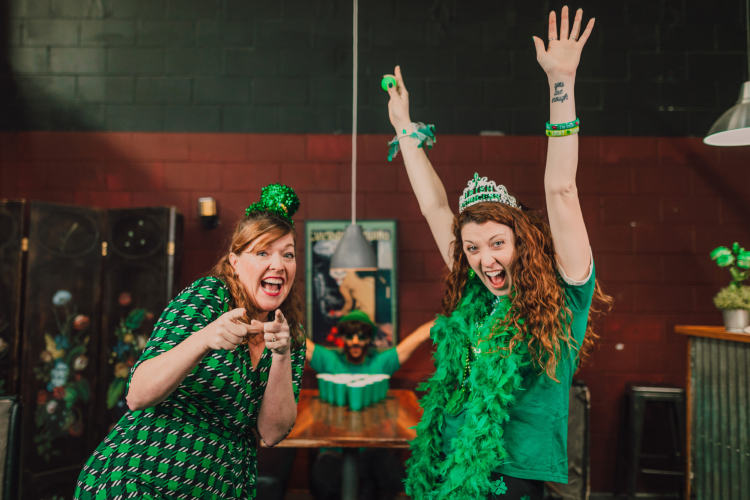
A St Patrick's Day party brings the luck of the Irish and endless opportunities for festive fun. This holiday is the perfect excuse to bring everyone together for shamrock-themed activities, delicious bites and plenty of laughter. From creative décor to crowd-pleasing games, there are endless ways to make your celebration as iconic as the day itself.
Let’s embrace the spirit of the Emerald Isle with party ideas that blend tradition with modern flair with whimsical decorations and Irish-inspired cocktails to entertaining games and authentic cuisine. Each of these party elements will help you create an unforgettable celebration that appeals to party-goers of all ages.
Jump to Section
- Best St Patrick's Day Party Ideas
- St Patrick's Day Party Ideas for Families
- St Patrick's Day Party Food Ideas
- St Patrick's Day Party FAQs
Best St Patrick's Day Party Ideas
We bet you’re wondering how to throw a St. Patrick’s Day party. Start with festive decorations, a menu full of Irish-inspired bites and activities that get everyone in the spirit of the holiday. The key is to mix creativity with tradition — think green-themed fun, lively games and plenty of nods to Irish culture.
Whether you’re planning a casual get-together, are more focused on the spiritual meaning of St. Patrick's Day or want to plan an elaborate soirée, these St. Patrick’s Day party ideas will set the stage for an unforgettable celebration.
1. Set the Scene with Shamrock Décor
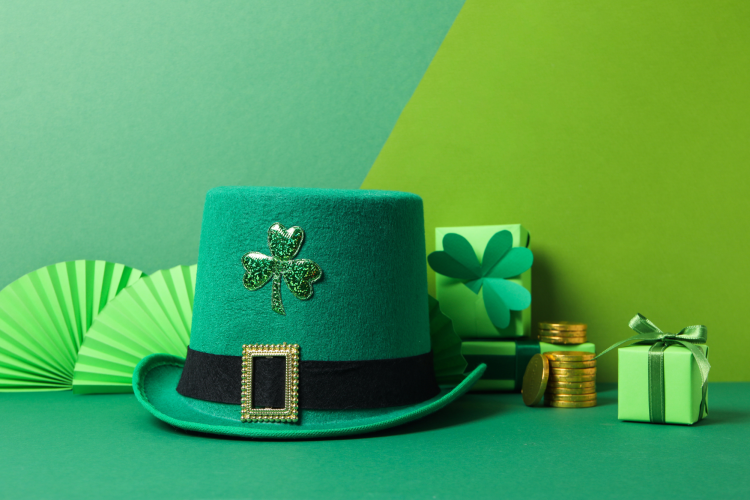
Transform your party space with green, gold and rainbow accents. Think shamrock garlands, sparkly table runners and pots of “gold” (chocolate coins!) as centerpieces. You can also add an extra festive touch by hanging twinkling string lights or creating a balloon arch in holiday hues. A subtle shamrock-inspired design can be placed on your stylized St. Patrick's Day nails — shamrock in three shades of green!
2. Host a Shamrock Shake Competition
Turn mixology into a festive challenge by setting up blending stations with ice cream, mint syrup and creative mix-ins. Provide recipe cards with classic combinations but encourage guests to experiment with ingredients like Bailey's Irish Cream, cookie crumbs or fresh mint. Plus, you can add to the fun by awarding prizes for the most creative and tastiest creations.
3. Have a Limerick Writing Contest
Ideas for a St Patrick's Day party should include some Irish culture! Set up cozy writing nooks with themed paper and fun pens and let your wordsmithing flow alongside your guests with creative prompts.
You can share classic limericks for inspiration and then let your guests write their own verses. At the end of the night, you can then host a grand reading where everyone performs their creation.
4. Set Up a Celtic Photo Booth
Design an Instagram-worthy corner that transports guests to the Emerald Isle. For extra fun, you can include props like leprechaun hats, golden frames, rainbow accessories and witty Irish phrase signs.
To keep up the theme, be sure to create a backdrop using metallic fringe curtains in green and gold with strategic lighting so your guests can get the perfect shot. This also works for indoor birthday party ideas if your special day lands around St. Patrick’s Day.
5. Host an Irish Pub Night
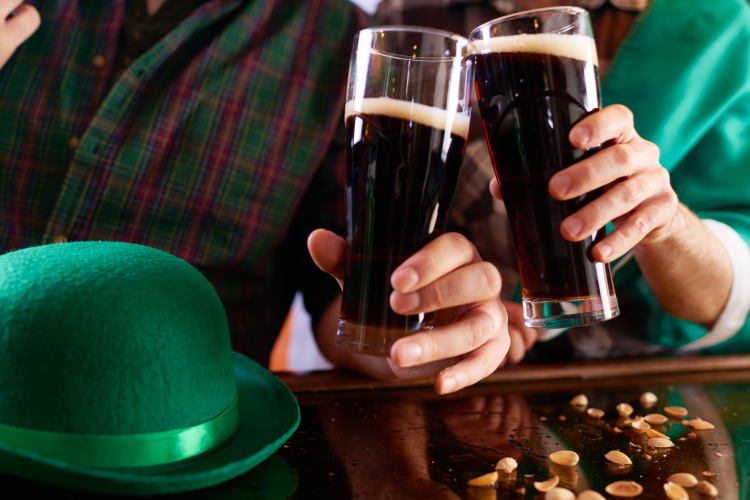
Bring the charm of an Irish pub to your home! Serve up pints of Guinness, Irish whiskey cocktails and traditional pub fare like fish and chips or shepherd’s pie. Pair the feast with lively party games for adults, like trivia focused on Irish history or a karaoke session featuring Celtic tunes.
6. Plan a Pot of Gold Hunt
Give classic party games for adults an Irish twist with this treasure-hunting adventure. Hide chocolate coins and small prizes throughout your space, then provide guests with treasure maps featuring Irish-themed riddles.
Create teams with leprechaun names and award a grand prize to whoever collects the most gold first.
7. Create a Lucky Charm Bar
Make a corner of your party space into a magical sweets station with glass jars filled with colorful cereal, green candies and chocolate coins.
Up the ante on the fun with custom labels, golden scoops and St. Patrick’s Day treat bags for guests to create their own lucky mix. You can also enhance the display with twinkling lights and shamrock garlands for an extra enchanting touch.
8. Organize a Guinness Taste Test
It’s not a St. Patty’s Day party without a little Guinness! Turn your party into a mini-tasting event by offering different varieties of Guinness and other Irish beers.
Provide tasting cards for guests to rate their favorites and include fun pairings like pretzels, cheese and mini sliders. For non-drinkers, include alcohol-free Irish-inspired options like root beer or Irish cream sodas.
9. Craft Personalized Leprechaun Hats

Set up a crafting station where guests can decorate their own leprechaun hats. Provide plain green hats, glitter, shamrock stickers, gold ribbon and other festive supplies.
Guests can wear their creations throughout the party and you can even host a "Best Hat" contest for extra fun.
St Patrick's Day Party Ideas for Families
Looking to create a St. Patrick’s Day celebration that the whole family will enjoy? There are endless ways to keep everyone entertained while embracing the Irish spirit ranging from festive crafts to themed games.
What are some St. Patrick’s Day activities? Go with scavenger hunts, Irish music and even a bit of leprechaun mischief. These St. Patrick’s Day party ideas for families will help you plan a magical day filled with laughter, creativity and plenty of green!
10. Throw a Celtic Dance Party
Letting loose is always good for your St. Patrick’s Day party ideas, so clear space for simple Irish dance lessons that everyone can follow.
You can mix traditional jigs along with modern tunes and teach everyone basic steps — while having a few laughs when each of you inevitably missteps. Be sure to get the littlest ones involved by adding ribbons and bells to wave and shake while dancing.
11. Craft Shamrock Decorations
You can’t have too many crafts at your party, so set up a table where kids can create shamrock garlands, painted rocks or St. Patrick’s Day hats. Be sure to supply paper, glitter, markers and green paint to let everyone’s imagination run wild.
These handmade creations make wonderful keepsakes or decorations once you decide on your St. Patrick’s Day party ideas for next year, too.
12. Share Irish Folklore and Stories
Gather the family for storytime featuring traditional Irish folklore for a true dive into Irish tradition. Tales of leprechauns, banshees and magical rainbows are sure to captivate younger family members while introducing an authentic twist to your celebration.
You can add a cozy touch with blankets and snacks to complete the experience.
13. Create Leprechaun Traps Together

Kids love leprechauns and crafts, so set up a station with shoeboxes, popsicle sticks and plenty of glitter for building leprechaun traps.
Let the kiddos’ imaginations run wild as they dream up clever designs to “catch” a sneaky leprechaun. A craft station is a great way to spark creativity while having some wholesome fun on St. Patrick’s Day.
14. Host a Family Talent Show
Turn your living room into a stage and let family members showcase their unique talents. Whether it’s Irish step dancing, singing a traditional Irish song, or telling jokes, this activity guarantees plenty of laughs and applause. Consider recording the show to relive the memories later.
15. Make Lucky Charm Bracelets
Get those friendship bracelet vibes going with a sprinkle of Irish luck. Spread out gorgeous green and gold threads, add some sparkly beads and let everyone's creativity shine.
Show the basics of braiding and weaving, then watch as unique creations take shape. The hardest part of this activity will be choosing which charms to add to your masterpiece.
16. Do Some Rainbow Science Experiments
Make the day educational and fun with easy rainbow-themed science experiments. Throw a rainbow party and then try growing crystals with borax, creating fizzy baking soda rainbows or layering colorful liquids to form a rainbow in a jar.
17. Plan a Shamrock Cookie Decorating Bar

Whip up some sweet magic! Scatter your table with freshly baked shamrock cookies and set out bowls of bright green frosting and every sprinkle under the rainbow.
Give everyone decorating tools and watch as simple cookies transform into sparkly masterpieces. Pro tip: Keep those baby wipes handy — green frosting has a way of getting everywhere!
18. Play St. Patrick’s Day Bingo
Design or download themed bingo cards featuring fun icons like shamrocks, leprechauns and rainbows. Give small prizes for winners, such as green stickers or St. Patrick’s Day trinkets. This game is perfect for keeping both kids and adults entertained during the celebration.
St Patrick's Day Party Food Ideas
No celebration is complete without a feast fit for a leprechaun! Whether you're planning a full-blown St Patrick's Day party or just want to add some Irish flair to your spread, these crowd-pleasing recipes will have everyone feeling lucky. Let’s dig in!
19. Create a Leprechaun Snack Board
Looking for fresh finger food ideas? Try arranging green grapes, cucumber slices, pistachios and green apple wedges into shamrock patterns for a festive and healthy treat for all your guests. Plus, you can add Irish cheese, green olives and snap peas for a board that's as pretty as it is delicious!
20. Make a Shamrock-Shaped Cheese Board
You can never have too many themed snacks, so you can also craft a festive charcuterie board in the shape of a shamrock. Fill it with Irish cheeses like Dubliner, crackers, green grapes and mini pickles. Add pops of green with pistachios or kiwi slices for a delicious and picture-perfect snack spread.
21. Serve Classic Irish Shepherd’s Pie

Nothing says comfort food like a hearty shepherd’s pie. Top creamy mashed potatoes with seasoned beef or lamb and veggies for a warm, satisfying dish that feels authentically Irish. Bake it in individual ramekins for a fun, party-friendly presentation!
22. Create Rainbow Fruit Skewers
Thread colorful fruits onto skewers in a rainbow style, a typical St. Patrick's Day color and then arrange them in an arched display.
For additional fun and creativity, you can also include a bowl of fruit dip "clouds" on each end. Trust us when we say that you’ll watch these healthy treats disappear faster than you can say "lucky charm!"
23. Dish Up Lucky Layer Dip
Layer green guacamole, sour cream tinted with herbs, shredded lettuce and green salsa in a clear dish for a festive take on the seven-layer dip.
Top your dip with green onions and serve them with blue corn chips for that pot-of-gold feeling that will have your friends talking about your St. Patrick’s Day party ideas for the rest of the year.
24. Add Festive Flair to Green Donuts
St. Patrick’s Day isn’t known for treats but it’s as good a holiday as any to splurge a little and donuts are always a hit – especially if you add a bit of Irish flair.
Start by baking (or buying) donuts and then give them a St. Patrick’s Day makeover with green frosting, sprinkles and edible glitter. You can arrange them in the shape of a rainbow or shamrock for a fun, snap-worthy dessert table centerpiece.
25. Bake Fresh Irish Soda Bread
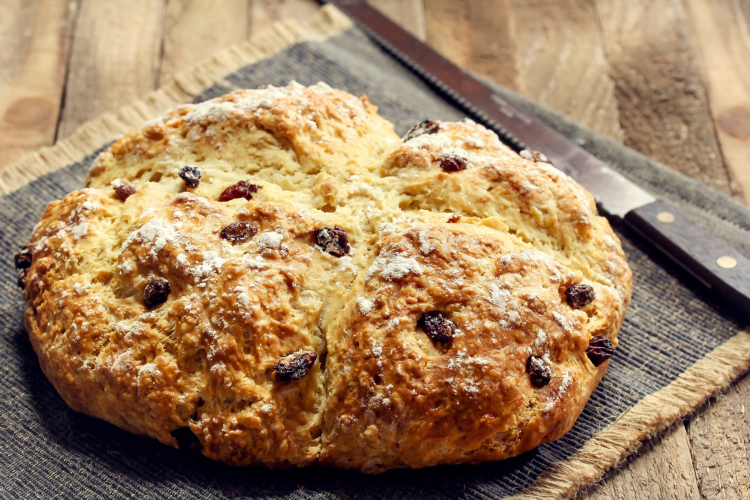
Give your party a traditional touch with freshly baked Irish soda bread. Be sure to serve it warm with Irish butter and jam or pair it with a creamy potato soup for a satisfying combo that’s impossible to resist.
26. Make Guinness-Glazed Meatballs
Take your appetizer game up a notch with Guinness-glazed meatballs. This savory, finger food-worthy dish features a rich, malty glaze that adds the perfect hint of Irish flavor and is sure to be a crowd-pleaser. Serve them with toothpicks for easy snacking.
27. Whip Up Green-Themed Tacos
Who says tacos aren’t festive? Add a splash of Irish-inspired fun to your St. Patrick’s Day party ideas with tacos served in green tortillas filled with grilled chicken, shredded cabbage and creamy avocado sauce. This is just the idea if you have guests who love fusion flavors!
St Patrick's Day Party FAQs
What Food Do You Serve at a St. Patrick's Day Party?
When planning your menu, traditional Irish dishes are always a hit. Classics like corned beef and cabbage, shepherd’s pie and Irish soda bread are hearty and festive options.
Don’t forget to add themed snacks like shamrock cookies, green cupcakes and rainbow fruit skewers for a fun twist. If you’re looking for bite-sized treats, finger food ideas like mini Irish potato bites or green deviled eggs can be perfect additions to your party spread.
Where to Celebrate St. Patrick's Day in LA?
Los Angeles offers endless ways to celebrate St. Patrick's Day, whether you’re into lively parties or family-friendly events. Head to local Irish pubs like Tom Bergin’s for authentic food and drink specials. Plus, Tom Bergin’s is also a great choice for a 4th of July party if you’re looking for reasons to go back.
St. Patrick's Day is all about celebrating with joy, laughter and a whole lot of green spirit! Whether you're hosting a family-friendly feast or a lively adult party, these ideas will help you create an unforgettable celebration.
There’s something for everyone to enjoy with these St. Patrick’s Day party ideas and as long as you’re with good company, you’ll definitely feel like you’ve got the luck of the Irish.
For even more fun party ideas, check out other experiences happening on Classpop!