51 Classic St Patrick's Day Food Ideas for 2026


Many consider St. Patrick's Day food one of the best parts of the holiday. For the spiritual meaning behind St. Patrick's Day, you'll need to know that St. Patrick was the patron saint of Ireland, and the holiday commemorates his death. The modern holiday has expanded to celebrate Irish culture as a whole. You’ll often find celebrations that include St. Patrick's Day traditions like parades, music, dancing and food and drinks.
In Ireland, many families host a feast that includes traditional St. Patrick's Day food on the table. However, there are some differences between the foods eaten in Ireland and in America.
The traditional corned beef and cabbage meal eaten by many Irish Americans was actually adapted by Irish immigrants in New York City to save money, according to History.
So, wondering what to have for dinner on St. Patrick's Day? You can choose between traditional St. Patrick's Day food or an adaptation that uses the ingredients in a new way. We’ve rounded up some delicious food ideas for St. Patrick’s Day to enjoy while wearing green, the traditional St. Patrick's Day color. You'll be licking your stylized St. Patrick's Day nails clean when you're done with these foods.
Jump to Section
- Best St. Patrick's Day Food Ideas
- St. Patrick's Day Food Traditions
- Easy St. Patrick's Day Recipes
- St. Patrick's Day Party Food
- St. Patrick's Day Desserts
- St. Patrick's Day Food FAQs
Best St. Patrick's Day Food Ideas
1. Roasted Lamb Chops
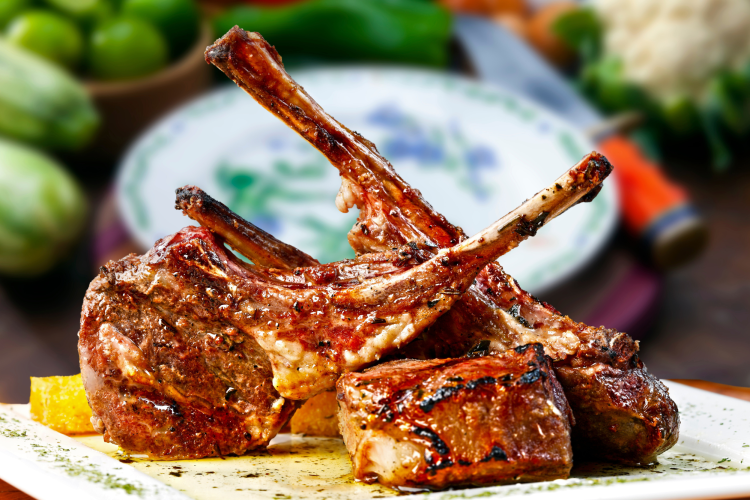
Lamb is a popular St. Patrick's Day food in Ireland. Roasted lamb chops make them juicy, tender and flavorful, especially when paired with herbs. Savor them with a sauce or on top of a refreshing green salad.
2. Guinness Beef Stew
Beef stew is already one of the most popular staple dishes. Add a depth of flavor to this St. Patrick's Day food idea by using stout beer. Along with the beef, it creates a rich and complex dish.
3. Corned Beef and Cabbage
Corned beef and cabbage is one of the traditional Irish American dishes, especially for St. Patrick’s Day. Restaurants in cities with a large Irish population feature this dish on the menu, which is why it’s one of the most iconic Boston foods.
4. Guinness-Glazed Ham
Guinness is a great glaze ingredient. The rich flavor balances well with the sweetness of a ham glaze. Add this to a St. Patrick's Day food menu and guests will definitely go back for seconds.
5. Potato Leek Soup
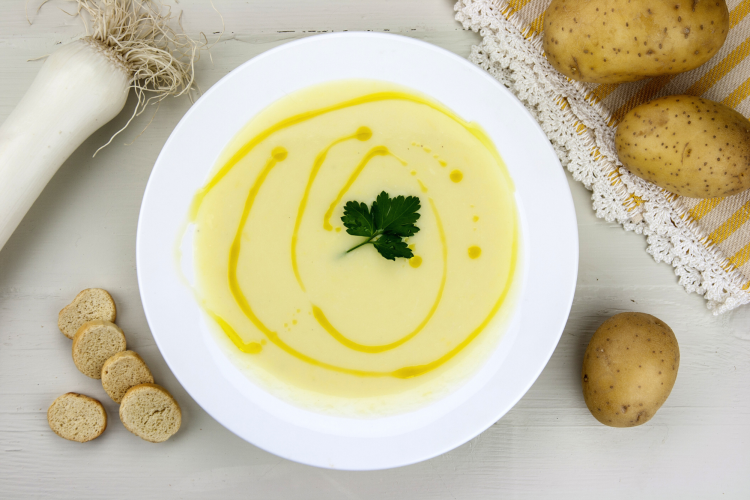
A classic potato soup seasoned with leeks, fennel and garlic will bring an Irish tradition to your table. Serve with some crusty bread for dipping and you’re sure to have a hit.
6. Roasted Potato Salad
A roasted potato salad is sure to be one of the most crowd-pleasing St. Patrick's Day food ideas. Plus, it’s simple to make for either a dinner party or a small gathering.
7. Whole Roasted Cabbage
Roast a cabbage with butter, herbs and spicy in the oven for a flavorful side dish. You can serve it alongside meat or as a vegetarian main dish.
8. Roast Pork, Sweet Potatoes and Spicy Cabbage
If you’re looking to serve something other than lamb or beef, consider a roaster pork. It’s just as hearty and savory, and paired with sweet potatoes and spicy cabbage, it makes a flavorful main course.
9. Beer Battered Cod

Opt for a lighter St. Patrick’s Day dish with strips of cod. Use a stout beer battering for a crispy fried exterior. Classic “chippers”–as they’re called in Ireland–will be a delightful meal.
10. Potato Cakes and Eggs
If you’re looking for a breakfast option, you can serve the authentic boxty potato cake with an over-easy egg, tomatoes and spinach.
St. Patrick's Day Food Traditions
11. Fried Irish Breakfast
Start the day off right with a classic fried Irish breakfast. This traditional St. Patrick's Day food includes meat, eggs and potatoes alongside toasted brown bread.
12. Lamb Stew
You can never go wrong with a hearty stew. Lamb stew is a St. Patrick's Day food tradition made with potatoes, carrots and Guinness beer. Serve with some soda bread for an authentic feast.
13. Irish Soda Bread
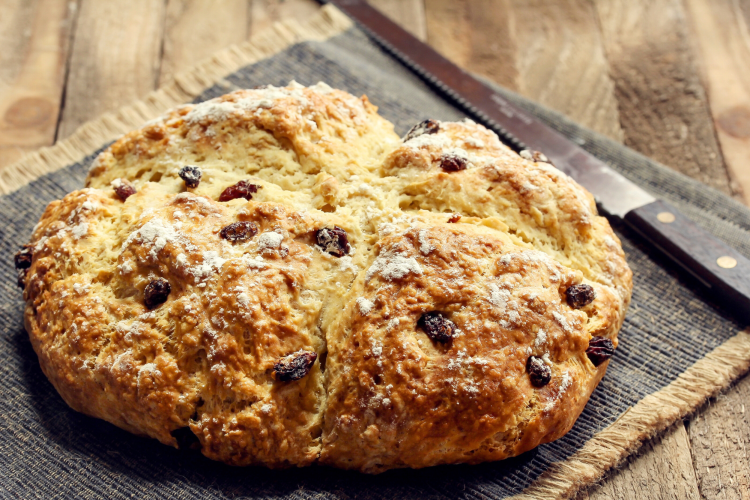
When it comes to St. Patrick's Day traditions, you’ll always find Irish soda bread on the table. Instead of using yeast, this bread uses baking soda to help it rise. It has a tender and soft center and crisp exterior.
14. Bacon and Cabbage
Bacon and cabbage is the traditional St. Patrick's Day food in Ireland that corned beef and cabbage are based on. This hearty dish is perfect for breakfast, lunch or dinner.
15. Leg of Lamb
Roast a leg of lamb for a savory main course. Serve with lemon butter and potatoes for a melt-in-your-mouth dish.
16. Beef Pot Roast
A hearty pot roast is one of the St. Patrick's Day food traditions. Cook it low and slow so it’s tender and juicy, then serve with potatoes and carrots.
17. Shepherd’s Pie

If you’re in Ireland on St. Patrick’s Day–or any day of the year–there’s a good chance you’ll see this dish. This St. Patrick's Day food uses ground lamb or ground beef topped with creamy mashed potatoes.
18. Colcannon
Colcannon is a dish you’ll see in many Irish feasts. This traditional staple is made with creamy mashed potatoes and fresh greens like kale or cabbage.
19. Fried Cabbage
Caramelize cabbage with some savory bacon, paprika and stone-ground mustard. The fish makes the perfect side for all your St. Patrick's Day lunch ideas.
Easy St. Patrick's Day Recipes
20. Ham and Cheese Beer Bread
This takes the classic flavors of St. Patrick's Day food and presents them in a new way. This fluffy bread is flavored with beer and has bits of ham and cheese throughout. It’s the perfect side and easy to make.
21. Boxties
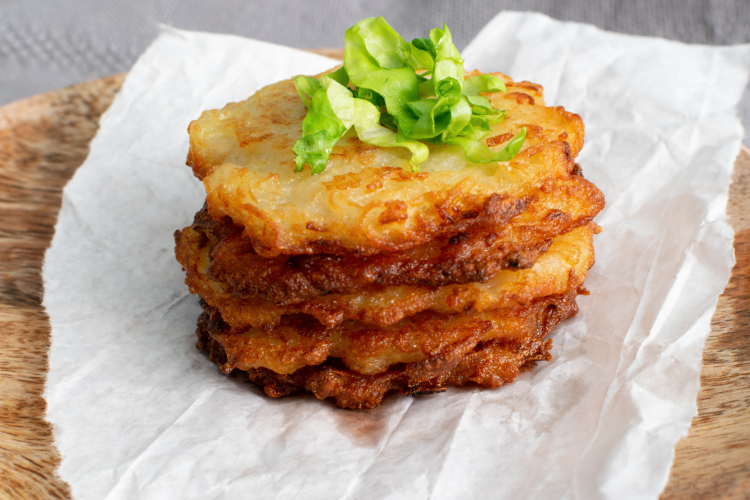
You’re going to want these Irish potato pancakes on your St. Patrick's Day food menu. A crispy center and fluffy inside make them hard to resist, especially when served with sour cream and scallions.
22. Crispy Smashed Potatoes
No matter how you prepare potatoes, it’s sure to be a hit at a party. This easy recipe is one of the best finger food ideas or side dishes for a sit-down dinner. Use a cup to smash potatoes, season with herbs and spices and cook until golden and crispy.
23. Irish Lamb and Herb Hand Pies
Also called dingle pies, this dish is one of the most filling St. Patrick's Day lunch ideas. It uses thyme, rosemary and sage for an aromatic and flavorful dish.
24. BBQ Beef and Mashed Potato Pie
Give a shepherd’s pie a bit of an American twist by seasoning the beef with a tangy barbecue sauce.
Topping it with creamy mashed potatoes and aromatic herbs makes this the ideal meal if you’re looking for St. Patrick’s Day dishes or Thanksgiving food ideas.
25. Cottage Pie
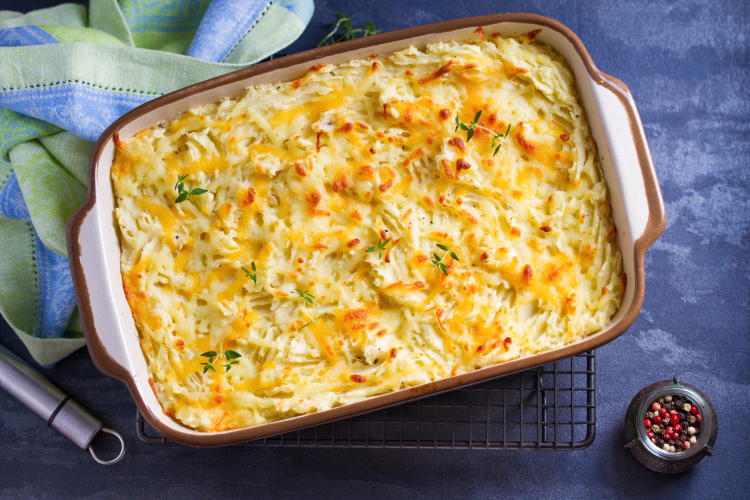
Cottage pie differs from shepherd’s pie because it’s made with beef rather than lamb. Still, this is a tender and hearty St. Patrick's Day food that will delight a crowd.
26. Irish Brown Bread
If you’re looking for a dense and hearty bread, look no further. Spread Kerrygold Irish butter on this and you’ll want slice after slice.
27. Irish Grilled Cheese
Give this classic dish an Irish twist. All you’ll need is Irish rye or brown bread and Irish cheddar. You can add in fried onions or corned beef to elevate the dish.
28. Corned Beef Hash
A savory mix of corned beef and potatoes, this dish has all the classic St. Patrick's Day foods. It serves well with poached eggs or on its own for breakfast.
29. Irish Cream

Yes, you can make your own Irish cream even if you’re in America. Using condensed milk, heavy cream and a touch of Irish whiskey, you’ll have the perfect ingredient for coffees and desserts.
30. Potato Rolls
Use a potato to make a fluffy and classic potato roll. Once baked until golden brown, you can eat it with Irish butter or dip them into stews.
31. Lamb and Turnip Stew
Lamb stew is a classic St. Patrick's Day food and adding turnips makes it extra hearty. Add in mint and parsley to complement the delicate flavor of the lamb.
St. Patrick's Day Party Food
32. Guinness Milkshake
Your guests will love having a milkshake as a sweet treat at the party. Use a bit of Guinness to complement the chocolate ice cream and serve in individual cups.
33. Green Beer

It’s not St. Patrick’s Day without wearing green or drinking a beer. So, why not combine both and use food dye to make a green beer? It’ll be a fun centerpiece for a few party games for adults.
34. Beer and Cheddar Bread
Use Irish beer and Irish cheese for this St. Patrick's Day food. It makes a flavorful loaf of bread that’s great alone or as a sandwich.
35. Beer Breadsticks
This St. Patrick's Day party food only requires three ingredients to make, which is perfect for party prep. The final result is a fluffy and crunch breadstick that will pair well with a beer cheese sauce.
36. Corned Beef and Cabbage Sliders
Corned beef and cabbage is a favorite meal of the holiday. Turn it into a slider to serve at a party. These sliders and accompanying Guinness mustard are easy St. Patrick's Day recipes to prep before a gathering.
37. Irish Cheese and Guinness Mac and Cheese

Mac and cheese will always be a crowd favorite. Use Irish cheddar and a little bit of Guinness for flavor for an updated version. It’ll make a great dish for Friendsgiving food ideas or a St. Patrick's Day food for kids.
38. Irish Buttered Carrots
Slieve na Mbam is a regional dish of carrots cooked in cream and butter. This decadent side dish is the perfect St. Patrick's Day food for an infusion of authentic cuisine.
39. Potato and Corned Beef Cakes
This St. Patrick's Day party food is a meaty version of the classic boxty. Add chopped corned beef to the potatoes before frying it until golden and crispy.
40. Corned Beef and Cabbage Egg Rolls
Another way to use corned beef and cabbage for a party is to stuff them in egg rolls. These delicious crispy appetizers can be served with a Guinness and mustard cheese dip that will have guests going back for more.
41. Beer Cheese Fondue
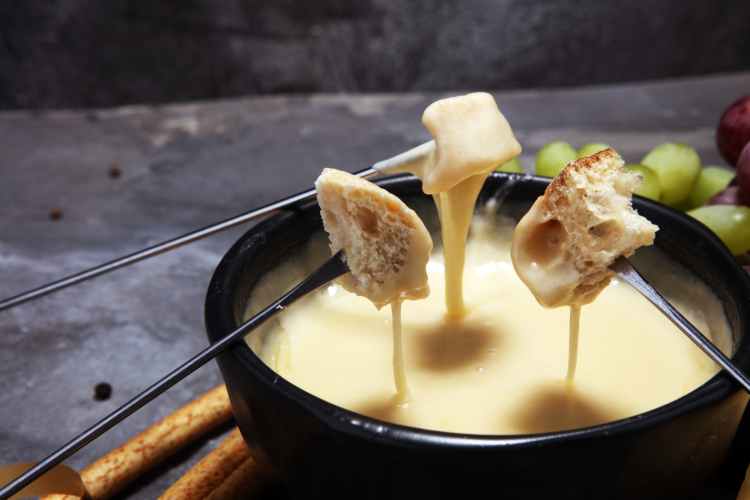
Fondue itself might not be Irish but you can put an Irish spin on this social staple by using a beer cheese. Opt for a cheese made with an Irish stout and serve with potatoes, bread and sausage.
St. Patrick's Day Desserts
42. Porter Bundt Cake and Whiskey Caramel Sauce
Malty beers like Porter have a chocolate caramel flavor on their own, which pairs well with a rich chocolate cake. Topped with a sweet caramel sauce, this is a dessert everyone will want seconds of.
43. Chocolate Butter Pastry
A flaky crust holding rich chocolate cream? What more could you want? This St. Patrick's Day food for kids and adults is going to be the talk of the celebration.
44. Shortbread

A simple pastry, and one of the sweetest types of bread, that will delight a crowd. Using fresh Irish butter will make a difference in this classic recipe. Then, you can top this bite-sized treat with an Irish cream for an on-theme finishing touch.
45. Lucky Charm Cookies
This simple St. Patrick's Day food adds Lucky Charms cereal to a simple white chocolate cookie dough. The pop of green makes for a fun treat to enjoy on the holiday.
46. Irish Cream Macarons
This sweet St. Patrick's Day food brings Irish ingredients to a classic French pastry. It’s light, sweet and a little boozy, which makes it ideal to serve at a St. Patrick’s Day party.
47. Chocolate Whoopie Pies
This sweet treat gets a bit of depth and complexity when you add a dark beer like Guinness. The rich flavors work together for the best after-dinner dessert.
48. Irish Apple Cake
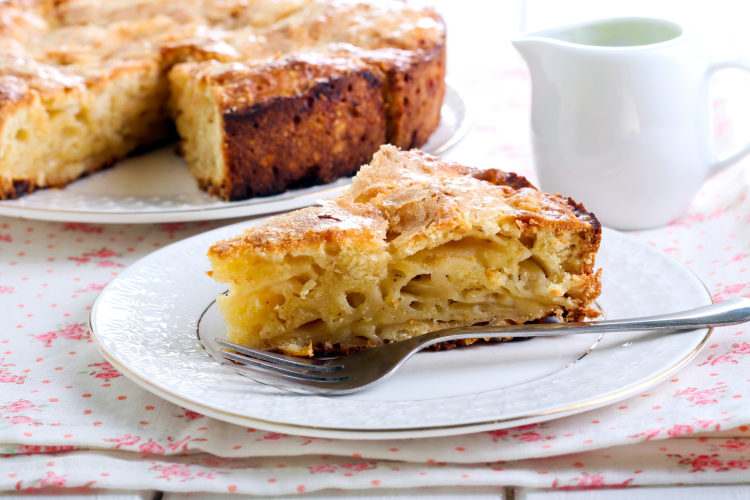
This light and airy cake is one of the easiest St. Patrick's Day recipes to make. Finished with a drizzle of Irish custard sauce, this dessert will end your meal on a sweet note.
49. Shamrock Cupcakes
They might not be explicitly Irish, but cupcakes in the shape of shamrocks are just as festive. To make these St. Patrick's Day desserts use balled-up aluminum foil to make the clove leaves, then put them together to make shamrocks and four-leaf clovers. Here's some interesting St. Patrick's Day trivia: a shamrock is actually different from a four-leaf clover, where the latter is not really part of Irish folklore.
50. Irish Coffee Cake
Who doesn’t love Irish coffee? How about in the form of a cake? This sweet St. Patrick's Day food uses Irish coffee as a way to make the cake moist and rich. The glaze on top is sure to be your favorite part.
51. Chocolate Stout Cupcakes
Stout beers compliment chocolate so well by deepening their flavors. If you’re looking for St. Patrick's Day desserts that delight, opt for this treat and finish it off with a Bailey’s frosting.
St. Patrick's Day Food FAQs
What Food is Traditionally Eaten on St. Patrick's Day?
In Ireland, traditional St. Patrick's Day food typically includes a hearty stew with lamb or beef. Cabbage and bacon is also a common dish enjoyed in Ireland on St. Patrick’s Day. Colcannon, a creamy mashed potato and cabbage dish, is often enjoyed as a side.
In America, corned beef and cabbage are common foods eaten on St. Patrick’s Day, along with some of the traditional dishes. Shepherd’s pie is also popular. Of course, those celebrating the holiday at a bar often enjoy pints of Guinness, sometimes dyed green.
What Do You Serve at a St. Patrick's Party?
Hosting a St. Patrick’s Day party for family and friends? You’ll have plenty of options for what kind of St. Patrick's Day food you can serve. If you’re hosting a sit-down dinner party, you can serve more of the classic dishes, such as stew, corned beef and cabbage and colcannon.
These often require you to use a plate and utensils so you can sit and enjoy the meal along with drinks and conversations. However, if your party will have more of a cocktail atmosphere, you can adapt these classic dishes into finger food versions.
Options like sliders, egg rolls and individual cups of mac and cheese make it easy for people to eat while standing, talking and milling about the party.
There’s plenty of St. Patrick's Day food to indulge in during the holiday. Whether you’re Irish and want to enjoy a traditional feast or want to try a new modern approach, these recipes are sure to inspire your St. Patrick’s Day menu. From classic corned beef and cabbage to hearty Irish stews, St. Patrick's Day food never fails to disappoint.
For even more great food ideas, check out other experiences happening on Classpop!