37 Unique Girls Night Ideas That Feel Good in 2026


Girls night ideas aren’t just about filling an evening — they can actually make life better. According to Creative Healthy Family, spending time with girlfriends a couple of times a week lowers stress, boosts confidence and even supports long-term health.
That makes a night in (or out) with your circle more than just a social plan. It’s a chance to step out of routine, laugh a little louder and reconnect in ways that matter. The girls night ideas ahead go beyond the usual drinks and snacks, giving you fresh ways to enjoy time together and leave with the kind of reset that lingers.
Jump to Section
- Girls Night Ideas at Home
- Creative and Crafty Girls Night Ideas
- Mixology and Wine Girls Night Ideas
- Girls Night Games
- Activities for Ladies Get Together
- Girls Night Ideas FAQs
Girls Night Ideas at Home
1. Online Cooking Classes

If your girls are scattered across the country, there’s no reason you can’t still have a fun girls night. You can always get together virtually with online cooking classes. With an online class, you’ll be whipping up pasta, sushi or brunch favorites while chatting over video, guided by a top-rated chef. It’s a girls night idea that tastes as good as it feels.
Get inspired with a list of the best Zoom cooking classes and menus and get everybody on board.
2. Fondue Fest
What is it about fondue that makes any get-together so much more fun? Whether you choose chocolate or cheese (or both!), you won’t be disappointed. Try apples in cheese or strawberries in chocolate, or pretzels in either. The possibilities for a fondue night are as limited as you make them.
3. Home Tasting Party

Turn your girls night into a tasting party where everyone brings a dish to share. Have each guest bring a dish that fits a birthday party theme — like hometown favorites, family recipes or a cuisine you all love. Everyone will get to try new flavors and learn the stories behind each dish.
4. Dessert Night
Sometimes, the best girls night ideas are the sweetest. Skip dinner and go straight for dessert. Visit your local ice cream parlor, get the desserts you’ve been eyeing at your favorite restaurant or simply ask everyone to make or bring a dessert to share. No guilt allowed.
5. Charcuterie Board Bash

Trays of delicious cheese, small bites and spreads, a glass of wine in hand and your favorite girls all around — a charcuterie board night is just the right kind of indulgent.
Learn how to take your charcuterie board ideas to the next level with cooking classes in Seattle, Boston, Dallas or a city near you.
6. Pizza Party
If you think a pizza party is a perfect ladies' night idea (or even a bachelorette party idea), we agree. Set each friend up with a plain pizza and let them top their own.
And by toppings, we’re talking all the fancy toppings you can think of, like brie, fig and honey, arugula and pear, goat cheese and even pineapple and ham. We're not judging here. There’s an extravagant pizza topping for every taste.
7. Host an Old-School Sleepover

Host an old-school sleepover with pajamas, junk food and late-night chatter. It’s the ultimate throwback girls weekend idea. Keep things interesting with fun things to do at a sleepover, like classic sleepover games like Truth or Dare or Never Have I Ever, tell scary stories and enjoy plenty of snacks. For a real throwback, you can set up sleeping bags in the living room when it’s time to nestle down for the night.
8. Breakfast in PJs
Who doesn’t love breakfast for dinner? Invite everyone to show up in pajamas (no shame in changing when they arrive) and flip your usual brunch food ideas into a cozy dinner spread. Pancakes, eggs and bacon feel even more fun at night, and a DIY mimosa bar will keep things interesting.
9. Swap Night

Remember in college when your roommate’s closet was basically yours, too? Bring that spirit back with a swap night. Everyone brings things they no longer need — clothes, books, baby gear, kitchen gadgets, even unopened pantry items — and trades them around. You’ll walk away bunch of new-to-you goodies without the shopping trip (although we’re not suggesting you shouldn’t go shopping, too).
10. Plan a Movie Night
Pick a theme, pile on the snacks and press play. A movie marathon, whether it’s chick flicks, Oscar contenders or action flicks, turns a girl's night in into movie night without the hassle of going out.
11. Start a Book Club

Turn your night into a mini book club. Everyone reads the same title (or just enough to fake it), then gathers over wine, coffee and plenty of snacks. The best part? Starting a book club gives you the perfect excuse to make girls night a regular thing.
Creative and Crafty Girls Night Ideas
12. Paint and Sip

Grab some canvases, pour the wine and let a little creativity loose. A paint and sip class makes for a fun girls night idea where you can laugh at your efforts or toast over surprisingly good portraits.
You’ll find paint and sips in Sacramento, Orange County, Chicago or a city near you for a night of sipping and socializing. If you'd rather opt for an artsy night in, give online painting classes a try. You’ll bond over a beautiful night of learning and creating together.
13. Make Your Own Pottery
Visit a make-your-own pottery studio and get your hands dirty for a crafty girls night idea. You’ll learn how to create custom bowls, plates and more while bonding with your girlfriends. Look for pottery classes in San Diego, San Francisco, Boston or a city near you and make a day of it.
14. Dance Night

Clear the floor and crank up the music — a dance night with your crew is pure energy. Go for salsa, hip hop or just throw on old-school throwbacks and let loose. It’s the kind of girls night idea that leaves everyone laughing, sweaty and smiling. Looking for a bit more structure, dance classes in Orlando, Los Angeles or San Diego will have you dancing the night away with the guidance of an instructor. Feeling a bit shy, or even just too lazy to head out? Take an online dance class for the same energy, but maybe in your pajamas.
15. Learn Floral Arranging
Spend the night surrounded by blooms and creativity. A virtual floral arranging class lets you and your friends play with color, texture and design while making something you’ll actually want to take home. You and your girls will get to take home your bunches of blooms for a sweet reminder of your beautiful friendship, too, making it one of the cutest Galentine's Day ideas!
16. Have a Photo Shoot

Create memories by getting your girls together for a photo shoot. Take online photography classes to prepare and get the perfect shot, or you can wing it just for kicks.
Dress as your favorite movie characters, get dolled up and pretty in pink or go for a more natural vibe and head to the nature preserve for some stunning shots. You’ll all get precious keepsakes while having fun with your best girlfriends!
Mixology and Wine Girls Night Ideas
17. Online Mixology Classes

Bring happy hour to you with online mixology classes. Gather your girls together at home or tune in from anywhere to learn to craft your best cocktails. From fruity margaritas to classic cocktails, you'll be whipping up the next girls night signature drink without leaving the house.
18. Virtual Wine Tasting
A wine night doesn’t need to be fancy to feel special. Gather bottles you’ve never tried, pour small tastings and see where your preferences overlap (or don’t). It’s conversation-friendly and always a little indulgent. Not sure where to start? For some guided help, you could always sign up for a virtual wine tasting and have an experienced sommelier set the tone. They’ll teach you the tasting notes of different reds, whites and beyond while you whip up small bites to complement each glass.
Girls Night Games
19. Try an Escape Room

If thrills and puzzles are two things your girlfriends can’t stay away from, an escape room may be the perfect activity for your girls night ideas. Escape rooms are locked, themed rooms that have you solve a series of clues in order to get out of the room.
Usually, you only have an hour to escape, so you and your girlfriends will have to work together to make your great escape. There are even virtual escape rooms to bring girls near and far together for a friendly race against the clock in fun girls night games.
20. Have a Virtual Game Night
Enjoy a round of trivia right from your living room. Bring everyone together with drinks and snacks, pick a theme and let the friendly competition roll. You can keep it simple with movies and music or throw in inside jokes that only your group will get — either way, it’s a playful girls night game that will have everyone laughing. Or keep it broader with a virtual game night and mix in other interactive favorites like bingo.
21. Board Game Night
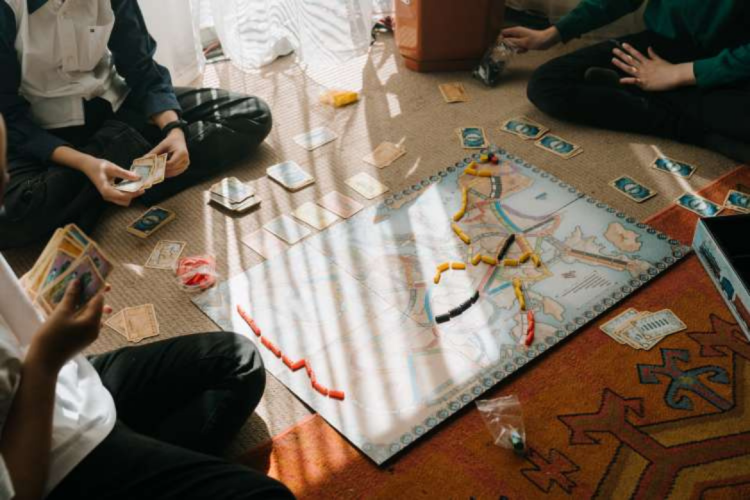
Bring out the classics or something quirky and new. Board games pull everyone into the action, and the mix of strategy, laughter and a little competition makes the hours fly by. Rotate through a few short games to keep the pace lively, or settle in for one of those epic girls night ideas that turn into all-night battles.
22. Casino Night
Give your night some Vegas flair with a DIY casino setup. Poker, blackjack or even a round of baccarat will bring out everyone’s competitive side. As you gather around the card tables, you’ll bond over winning hands and near-misses. Don’t forget to provide a few classy drinks and small bites.
Activities for Ladies Get Together (Outings & Events)
23. In-Person Cooking Classes

Face the kitchen fearlessly with this hands-on, girls night idea. You’ll enjoy your time together in the kitchen with informative and entertaining cooking classes led by personable gourmet chefs.
You can go to the chef with cooking classes in Baltimore, Portland, San Diego or a city near you, or find a chef who will come to you.
24. Book a Cruise
Switch up your usual girls night with a local cruise. Companies like Hornblower run everything from skyline tours to brunch sails, so you can take in the city from the water with a drink in hand. It’s still close to home, but the change of scenery makes the night feel fresh.
25. Walking Food Tours

It’s hard to go wrong with a food-centric girls night, which is why a walking food tour works so well as a girls night idea. On a walking food tour, an expert guide will take you around your city and show you the best spots to eat and hang out.
You’ll discover new local restaurants, learn about the neighborhood and uncover hidden gems that may have been hiding right under your nose.
26. Head to the Nail Salon
A mani-pedi night out is always a win. You get pampered, you get to chat and you walk out feeling a little more polished than when you walked in.
27. Relax at a Spa

The ultimate girls night idea is a night of relaxation. Treat yourselves to some relaxing self-care by visiting a spa, or stock up on face masks and lotions for a pampering girls night in.
28. Go on a Shopping Spree
Who better to hit the shops with than your girls? Browse boutiques, weigh in on outfits and maybe find something you wouldn’t have picked on your own. Even if you’re just window shopping, the laughs and commentary make it worth the trip.
29. Take a Yoga Class

If you have a group of girls ready to unwind, a yoga class is sure to please. This girls night idea will leave you all relaxed, centered and ready to take on whatever the rest of the week brings. Follow up the yoga class with a visit to the local coffee shop so you and your ladies can sneak in some conversation, too.
30. Tour a Museum at Night
Many museums, like the Brooklyn Museum, stay open late for exclusive nighttime events where they offer food, drinks, tours and more. So, why not spend the evening wandering exhibits with your crew? Galleries and museums spark conversation and offer a change of pace from the usual night out.
31. Have a Karaoke Night

Buy or borrow a karaoke machine and invite your girls over to sing their hearts out in the privacy of your home. Or, hit the town and take on the local karaoke bar.
Whichever you choose, you’re bound to create some memories and have many laughs throughout the night.
32. Go to a Comedy Show
Girls night ideas with a side of comedy? Yes, please. After all, laughing together creates unforgettable memories. Find a famous comedian touring in your area, or visit the local comedy club to see neighborhood talent. You can enjoy drinks and food while laughing the night away.
33. Enjoy a Play or Musical

Dress up, grab tickets and settle into the theater for a night of live drama or comedy. Sharing the spectacle together — whether it’s a big Broadway hit or a smaller local production — makes the evening feel like a real occasion.
34. Visit a Drive-In Movie
Pile into the biggest vehicle you or one of your girlfriends own and take a drive to a drive-in movie for one of the more old-school girls night ideas you’ll find. And that’s the best bit really. Pack snacks and non-alcoholic drinks to enjoy from the privacy of your car, and feel free to provide funny commentary to your girls throughout the movie.
35. Take the Girls Out to a Ballgame

Head to a sports game for girls night ideas that bring the action. Cheer on your favorite team and enjoy peanuts and Crackerjacks (and maybe a hotdog or two) at a night out at the ballpark. Root for the home team together in this sporty girls night idea. Don’t forget to pack your glove to catch any foul balls.
36. Go Dancing
Take the opportunity to get all dressed up and hit the town for a night out of dancing with your friends. Find a local spot known for great music and great dancing for a truly memorable time dancing the night away with your girlfriends.
37. Get a Workout in at a Trampoline Park

No, trampoline parks aren’t just for kids; places like House of Air host all kinds of trampoline-based activities, from fitness classes to obstacle courses. Unique girls night ideas nobody else is doing? And you’ll be sneaking in a workout!
FAQs
What Do You Need for a Girls Night In?
A laid-back girls night is just as fun as a girls night out idea. You can either meet up with a friend across the country in a virtual cooking class, or gather girls locally for an at-home board game night. The only limit for a girls night in is your time and budget.
How Do You Plan a Girls Night?
First, take inventory of what your girlfriends would be interested in doing together, and get a couple of potential dates on the calendar.
Once you have an idea of activities that would be fun for your girls night and the dates your friends are free, it’s as simple as picking an activity and working out the details. If you and your girlfriends are together, it's bound to be a great night.
How Do I Host a Girls Weekend?
If you decide to host a girls weekend, you’ll need to come up with a few activities to do together, a place to stay and of course, plenty of fun food and drink to enjoy.
Gather ideas from your girlfriends about what they’d enjoy eating and doing during your girls weekend, then get to planning. Will you host the girls in your home, or rent a place to stay? Do you want to cook all weekend, or is going out more your style?
What Do Girls Do on Girls Nights?
On girls nights, girls do whatever they think sounds fun. This can mean staying in and enjoying a virtual cooking class together, catching a show at the local theater or getting creative with an online painting class. There is no limit to what you can do on girls night.
At the heart of every girl's night is the simple joy of gathering with people who get you. Whether you’re mixing cocktails, painting pottery or just laughing through a board game, the point is connection. The right girls night ideas aren’t about perfection, they’re about making space for friendship and leaving with stories you’ll tell again and again.
For even more fun girls night ideas, check out other experiences happening on Classpop!