Christmas in Germany: 28 Reasons to Soak Up German Traditions in 2026

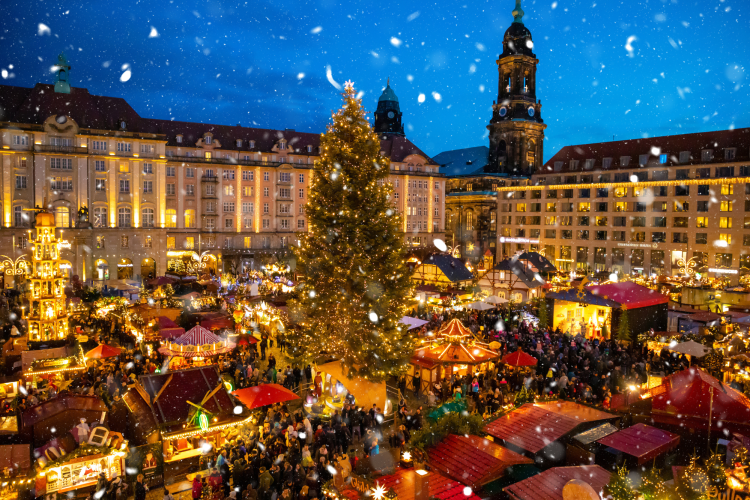
France may call itself the unofficial capital of Christmas, but Christmas in Germany is the real home of the holiday. From Advent calendars to early market culture, so many of the traditions we now take for granted actually started here. And the Christmas tree is the clearest example — according to Britannica, Germans have been decorating Tannenbäume since the 1500s, long before the ritual made its way across Europe and eventually into American homes.
Other countries have their own beloved customs — Christmas in France brings Bûche de Noël, Christmas in Mexico celebrates Las Posadas and Christmas in Italy showcases beautiful nativity scenes — but Germany’s particular mix of folklore, food and centuries-old practices creates a holiday atmosphere that feels both familiar and deeply rooted.
If you’re curious about the traditions behind it all, or you’re planning to spend Christmas in Germany yourself, here’s a closer look at the history, rituals, food and festive cities to help you make the most out of your Christmas vacations for the family, friends or even if you're travelling solo.
Jump to Section
- The History of Christmas in Germany
- German Christmas Traditions
- Festive German Foods
- Christmas Decorations in Germany
- Where to spend Christmas in Germany
The History of Christmas in Germany

Unlike many Christmas traditions around the world, German Christmas traditions build slowly through December, with early customs shaping the rhythm of the season. Advent marks the quiet start, followed by familiar early-month celebrations and winter events that carry the holiday feeling through towns and homes long before Christmas Eve arrives.
One of the earliest highlights is St. Nicholas Day on December 6, when children wake to small surprises left in their polished boots. Around this time, markets begin to open as well. The first Weihnachtsmärkte appeared in the Late Middle Ages, becoming winter gathering places for crafts, treats and community. Today’s markets follow that same pattern, filled with wooden stalls, steaming Glühwein and the scent of Lebkuchen drifting through town squares.
As homes begin to decorate, the Tannenbaum becomes the center of the celebration, often appearing in mid-December as families prepare for the days ahead.
All of these elements lead into Weihnachten, the three-day celebration from December 24 to 26 that anchors the German holiday season and brings the month’s traditions together.
German Christmas Traditions
How is Christmas celebrated in Germany? From Advent calendars to Krampus night, Germany has a variety of traditions that have been around for centuries. Each tradition adds its own texture to the celebrations, creating an atmosphere that’s lively and unmistakably German.
1. Advent Wreaths (Adventskranz)

Beginning on the fourth Sunday before Christmas, German families set out an Advent wreath with four candles. One candle is lit each week, turning the wreath into a quiet family Christmas tradition that counts down toward Christmas Eve.
It's also common to have Advent calendars for children to open, revealing small chocolates or gifts as they count down to the holiday. Modern versions might look different, but the ritual is the same, whether you lean into DIY Advent calendar ideas or pick something store-bought.
2. St. Nicholas Day (Nikolaustag)
On the night of December 5, children leave polished boots or shoes outside their doors. St. Nicholas visits overnight, filling them with sweets, toys and fruits if they've been good — or a rod if they've misbehaved. This day honors the saint known for his generosity.
3. Krampus Night (Krampusnacht)

In some regions, on the eve of St. Nicholas Day, December 5th, folklore tells of Krampus, a horned creature who punishes naughty children.
4. Christmas Markets (Weihnachtsmärkte)
Throughout December, town squares transform into festive Christmas villages lined with wooden stalls selling handcrafted gifts, ornaments and traditional German foods like Lebkuchen (gingerbread) and Bratwurst.
A mug of Glühwein is practically mandatory — warming your hands while you wander through some of the best Christmas markets in Europe is part of the experience.
For those searching for Christmas gifts for teens, Germany’s bustling Christmas markets across all of these cities provide unique options, from handcrafted toys to trendy accessories.
5. Christmas Eve Celebrations (Heiligabend)

In Germany, Christmas Eve is the main event for family gatherings and gift-giving, known as Bescherung. Families decorate the Tannenbaum (Christmas tree) together, sing carols and share a festive dinner, which often includes roast goose, potato dumplings and Stollen.
6. Christmas Angels (Weihnachtsengel)
Angels appear throughout German Christmas décor, symbolizing peace and protection. They’re used as ornaments, carved figurines or delicate tree toppers, and many families bring out the same heirloom angels year after year.
7. Feuerzangenbowle

This traditional German drink is a mulled wine punch made by dripping rum-soaked sugar loaves into a bowl of hot wine. The sugar loaf is set on fire, creating a dramatic and warming beverage that's often enjoyed at Christmas markets or festive gatherings.
While Germany's traditions are deeply rooted, it's interesting to see how other countries celebrate the holiday. For example, Christmas in Japan is more commercial, with couples treating it as a romantic holiday and enjoying activities like viewing Christmas lights and dining out.
Festive German Foods

Food is a huge part of Christmas in Germany, and many dishes only appear during the holidays. Markets, bakeries and family kitchens all shift into festive mode, giving December those familiar scents of spice, roasted meat and warm bread. These are some of the dishes that define the season.
8. Stollen

One of the most iconic German Christmas treats is Stollen, a rich fruit bread filled with marzipan, nuts and dried fruits, then dusted with powdered sugar. It's a staple on German holiday tables and makes for delightful Christmas breakfast ideas when sliced and served with a hot cup of coffee or tea.
9. Lebkuchen
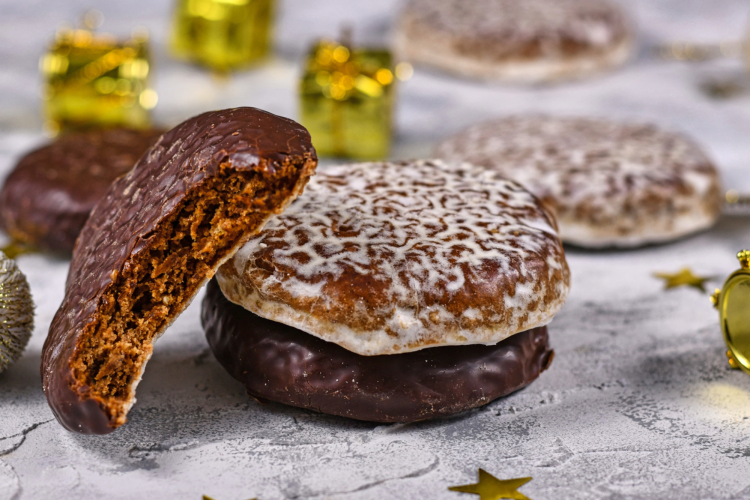
Another traditional treat is Lebkuchen, a type of gingerbread cookie often decorated with icing and found abundantly at Christmas markets.
10. Weihnachtsgans

For the main festive meal, many German families enjoy Weihnachtsgans, which is roast goose seasoned with herbs and served with sides like red cabbage and potato dumplings. It’s a hearty, celebratory Christmas party food that brings everyone to the table.
11. Weißwurst and Bratwurst

Sausages like Weißwurst and Bratwurst are also popular, especially at outdoor markets where they can be enjoyed hot off the grill.
While Germany's Christmas menus include these hearty foods during the cold winter months, for other countries, it is the other way around. For example, Christmas in Australia, where the holiday falls in the middle of summer. Australians often celebrate with barbecues, fresh seafood and light salads, showcasing how climate influences festive culinary traditions.
12. Glühwein
/christmas/mulled_wine.png)
No German Christmas is complete without Glühwein, a mulled wine spiced with cinnamon, cloves and citrus, perfect for warding off the winter chill.
13. Kinderpunsch

Kinderpunsch is the alcohol-free companion to Glühwein — a spiced fruit punch enjoyed by families, especially at markets. It’s sweet, warming and festive without the kick.
14. Weihnachtsplätzchen
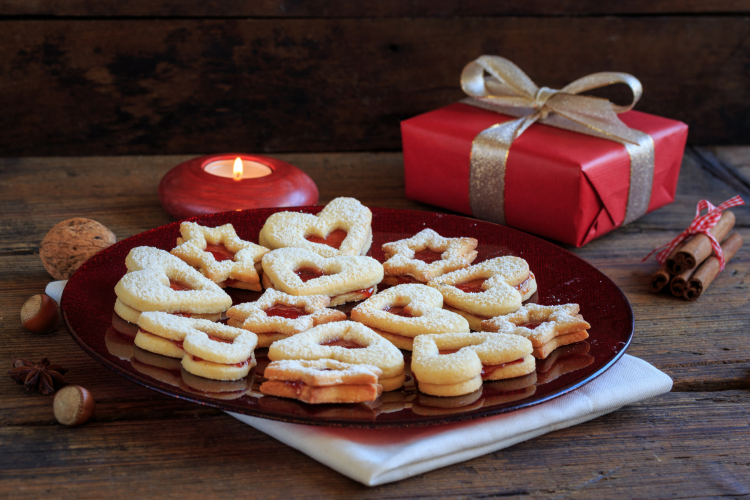
Baking Weihnachtsplätzchen is a tradition in almost every household. These Christmas cookies come in endless shapes and flavours, often baked in big batches to share with family, neighbours or guests throughout the season.
Christmas Decorations in Germany

Christmas in Germany wouldn’t feel complete without the decorations that bring homes and streets to life throughout December. Evergreen touches, soft lights and the Tannenbaum set the tone, with many families adding handmade pieces that give each space its own character.
These decorations create the inviting atmosphere people associate with the season and often become little projects in themselves. Families gather to make Christmas crafts like straw stars, carved wooden figures or delicate glass ornaments, keeping traditional crafts alive from one generation to the next.
15. Nutcrackers

Nutcrackers come from Germany’s Erzgebirge (Ore Mountains) region, where miners turned to woodcarving in winter. They were designed as protectors of the home, which is why their stern faces became a symbol of good luck.
16. Advent Wreaths (Adventskranz)
The modern Advent wreath began in 19th-century Hamburg, when a pastor created a candle ring to help children count down to Christmas. Today’s wreaths keep the same idea but with four candles marking each Advent Sunday.
17. Christmas Pyramids
These spinning wooden towers also originate from the Erzgebirge. Their candle-driven motion echoes ancient mining windmills and became a precursor to the modern Christmas carousel.
18. Candle Arches (Schwibbogen)

Candle arches were first crafted in Saxon mining towns in the 1700s, symbolising the miners’ longing for light during dark winter shifts underground. Now they're placed in windows to symbolize hope and light.
19. Straw Stars
Straw stars are rooted in rural German farming traditions, where leftover harvest straw was woven into simple, symbolic ornaments representing hope and renewal.
20. Mouth-blown Glass Ornaments
Lauscha, a small Thuringian glassmaking town, invented the glass Christmas ornament in the mid-1800s. Many ornaments today still follow those original hand-blown techniques.
21. Paper Stars
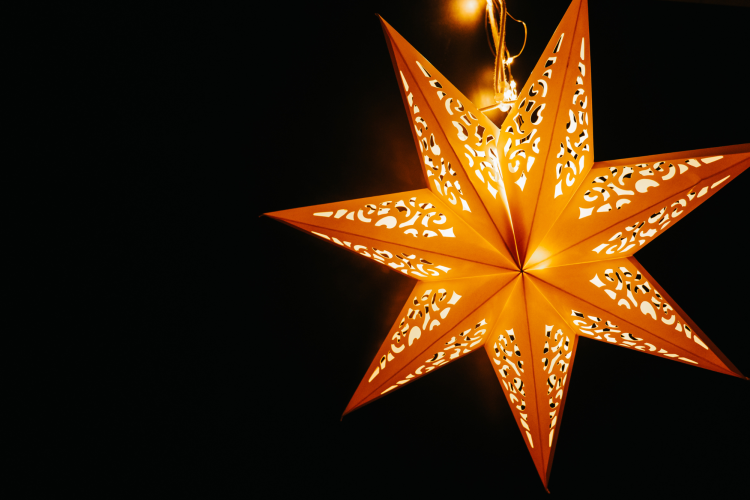
The Moravian (Herrnhuter) star originated in a 19th-century boarding school in Saxony, where it was used as a teaching tool for geometry before becoming a beloved Advent decoration. You'll now find illuminated stars hung in windows, symbolizing the star of Bethlehem.
Where to spend Christmas in Germany
Christmas doesn’t look the same across Germany. Each region brings its own style — Bavarian squares with mountain backdrops, northern cities shaped by harbors and canals, and medieval towns that feel untouched by time. December usually brings cold days and frosty evenings, with a chance of snow in the south, which only adds to the atmosphere when the lights come on and the markets line the streets.
22. Nuremberg

Nuremberg’s Christkindlesmarkt is one of the oldest and most famous Christmas markets in the world, known for its opening ceremony led by the Christkind, a tradition unique to the city.
Set against the backdrop of the city’s medieval architecture and surrounded by spectacular Christmas light shows, this market features over 180 striped stalls selling handmade gifts, ornaments and traditional treats like Nürnberger Lebkuchen (gingerbread).
23. Munich

Munich’s Christmas markets, especially the one at Marienplatz, are known for their Bavarian charm. The Gothic Neues Rathaus towers over the square, Advent music drifts from the balcony and the Alps sit faintly on the horizon, giving the market a setting that feels both grand and intimate.
Stalls offer roasted chestnuts, Glühwein and handmade Bavarian crafts, while nearby themed markets — including the medieval market at Odeonsplatz — add their own character. Munich’s Christmas tram, illuminated streets and city ice rinks round out the experience, making it a festive mix of tradition and urban energy.
24. Dresden

Dresden’s Striezelmarkt, dating back to 1434, is one of Germany’s oldest Christmas markets. The city is known for its festive flair, centered around the market’s 14-meter-tall Christmas pyramid and the famous Stollen cake, a sweet bread packed with fruits and nuts.
Baroque buildings surround the market, creating a picturesque backdrop for the festivities. Each year, Dresden highlights its famous Stollen with a parade and the ceremonial slicing of an oversized festival loaf, a tradition that ties the city’s Christmas identity to its signature holiday cake.
25. Cologne
Cologne’s cathedral market has one of the most dramatic settings in Germany, sitting directly beneath the soaring Kölner Dom, the city's imposing Gothic cathedral. A canopy of lights stretches above the square, drawing visitors toward more than 150 stalls selling handcrafted gifts and regional specialties like Reibekuchen (potato pancakes).
The city’s riverfront and neighbourhood markets add their own flavour, each with a slightly different atmosphere. Together, they create a festive circuit that shows off both Cologne’s cultural richness and its lively holiday spirit.
26. Rothenburg ob der Tauber

This small, medieval town feels like stepping into a Christmas fairy tale. Its well-preserved half-timbered houses and cobbled streets are decorated with twinkling lights and the Käthe Wohlfahrt Christmas Village operates year-round.
Rothenburg’s Reiterlesmarkt brings that setting to life with carol singers, horse-drawn carriages and stalls offering mulled wine and pastries.
27. Hamburg

Hamburg’s Christmas atmosphere is shaped by its harbour views and the glow of lights along the canals. The Rathausmarkt becomes the city’s central gathering spot, while the historic Speicherstadt offers quieter lanes lined with illuminated warehouses and waterways.
Some years even feature Santa’s “flying sleigh” passing over the market square, adding a playful moment to the celebrations. Combined with the mix of traditional and modern stalls, Hamburg delivers a Christmas experience you won’t find elsewhere in Germany.
28. Heidelberg

Located in the Neckar River Valley, Heidelberg’s Christmas market is set against the backdrop of a stunning castle. The Old Town glows with festive lights and the cobblestone streets are lined with stalls selling mulled wine, handmade gifts and Christmas crafts. The intimate, small-town feel combined with the breathtaking scenery makes Heidelberg a magical place to spend Christmas in Germany.
Christmas in Germany blends centuries-old traditions, regional food, lively markets and storybook towns into one unforgettable season. Whether you’re wandering a medieval square with a cup of Glühwein or slipping into a busy indoor market to warm up, the country’s festive spirit is real and everywhere.
If you’re dreaming of a holiday that feels timeless, grounded and full of tradition, Christmas in Germany delivers it effortlessly — and makes it easy to understand why the world borrowed so many of its customs.
For even more fun Christmas ideas, check out other experiences happening on Classpop!