31 Back to School Night Ideas for Teachers, Parents and Students

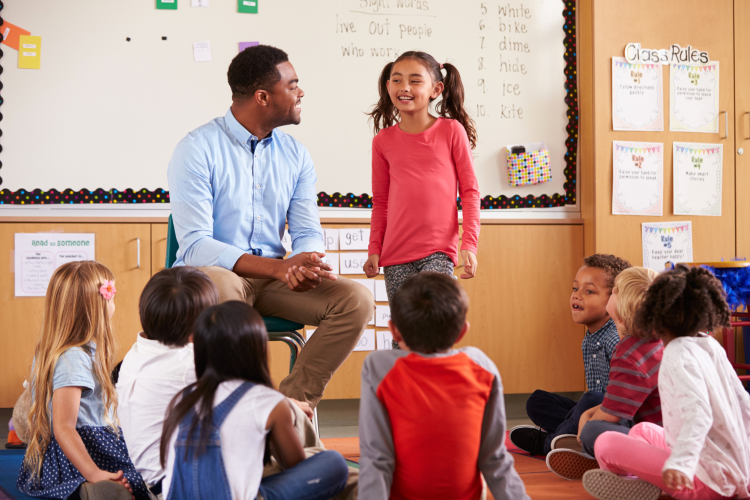
Back to school night is one of the first chances for families, teachers and students to connect at the start of a new school year. Depending on the school, the evening may include teacher introductions, classroom tours, curriculum overviews, school supply drop-offs, student activities or time for parents to ask general questions.
Unlike a parent-teacher conference, back-to-school night is usually not focused on one child’s grades or progress. Instead, it gives families a bigger-picture look at classroom expectations, daily routines, homework policies, communication methods and the year ahead.
There are various types of evenings you can plan, from a parent-only information night to a meet-the-teacher event or a more interactive evening for students and families. Whatever you choose, the right back-to-school night ideas can help the parents, students and teachers feel more prepared, comfortable and excited. From classroom presentations and parent handouts to scavenger hunts, question stations and student displays, these ideas will help you create a welcoming start to the school year.
Jump to Section
- What is Back-to-School Night?
- Back to School Night vs. Open House vs. Parent-Teacher Conferences
- What Happens in Back to School Night?
- Back to School Night Ideas for Teachers
- Back-to-School Night Activities for Kids
- Back to School Night Ideas by Grade Level
- Questions Parents Should Ask at Back-to-School Night
- Back to School Night Planning Checklist
- FAQs About Back to School Night
What is Back-to-School Night?

In the simplest form, back-to-school night is an informative evening event held at the beginning of the school year that's designed to build a strong partnership between families and educators. It's the official introduction to your child’s new academic environment and aims to help parents understand how to support their child’s learning journey at home.
When Does a Back-to-School Night Usually Happen?
This event typically takes place within the first few weeks of the new school term, usually on a weekday evening, so working parents can attend.
Who Attends a Back-to-School Night?
It's primarily designed for parents and legal guardians, though many schools invite students to participate in specialized classroom activities or tours.
What Do Parents Usually Learn at a Back-to-School Night?
Teachers use this time to outline their teaching philosophy, explain daily schedules, detail classroom behavioral rules and review homework and grading policies. You will also get an overview of the key curriculum, major projects and the best ways to communicate with the teacher throughout the year.
How Long Does a Back-to-School Night Usually Last?
A standard back-to-school night typically lasts between 1 to 2 hours, often divided into a brief general assembly followed by timed presentations in individual classrooms.
Is It the Same as Curriculum Night or Meet-the-Teacher Night?
While the terms are frequently used interchangeably and share the goal of connecting families to the school, there are a few small differences, which differ in the following ways:
- Meet-the-Teacher Night: Often held before the first day of school, this is a casual, quick open-house where students drop off school supplies and briefly meet their instructor to ease first-day anxieties.
- Curriculum Night: This event focuses heavily on academic benchmarks, scope and sequence, textbook overviews and expectations for standardized testing.
- Back-to-School Night: A comprehensive combination of both, covering the teacher's personality, classroom operational logistics and academic expectations all in one evening.
Back to School Night vs. Open House vs. Parent-Teacher Conferences
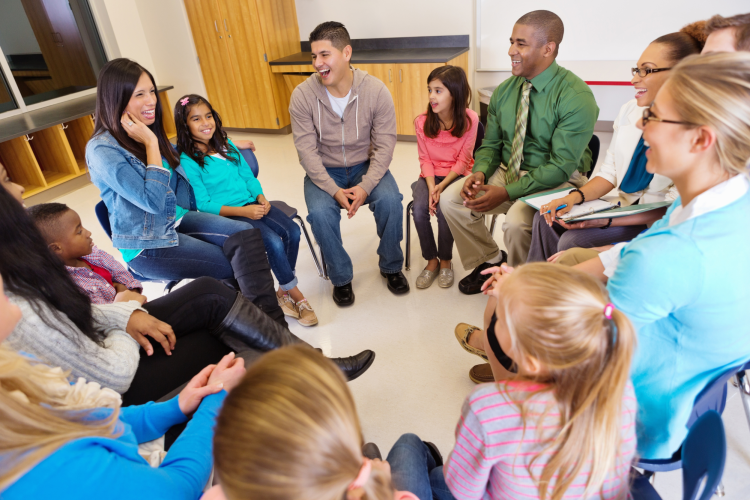
Understanding the distinct purposes of various campus events can help you to maximize your engagement throughout the academic year. While all the options mentioned below foster connection between home and school, each event plays a distinct role in your child's education. Read on to see the major differences.
| Event | Main Purpose | Who Usually Attends | Best For |
| Back-to-School Night | Learn classroom operational expectations, daily schedules, and the core curriculum. | Primarily parents and caregivers; sometimes students. | A comprehensive, big-picture overview of the school year. |
| Open House | Tour the entire campus, explore various classrooms, and meet the broader school staff. | Families and students. | Informal introductions and community building. |
| Meet-the-Teacher Night | Introduce yourself to the instructor right before or during the opening days of the school term. | Students and families. | Easing first-day nerves and dropping off school supplies. |
| Parent-Teacher Conference | Sit down 1-on-1 to discuss an individual child’s specific academic and behavioral progress. | Parents/caregivers and the teacher. | Private, highly personalized updates and targeted problem-solving. |
What Happens in Back to School Night?
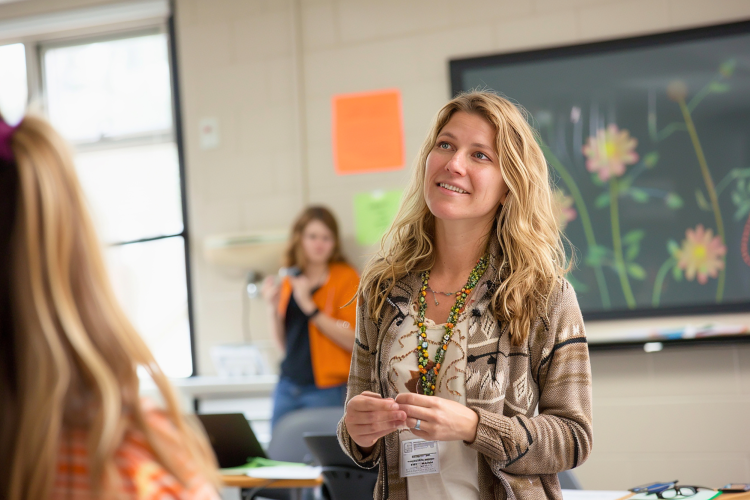
Navigating back-to-school night is much easier when you know what to expect. While every grade level looks a bit different, most schools follow a structured agenda designed to give you a complete picture of your child’s academic year. Below is a typical structure of what happens during the event, confirmed by our editorial staff who are parents.
1. A Welcome From the Principal or School Staff
The evening usually kicks off with a brief, school-wide address from the principal and administrative team. This welcome sets the tone for the academic year, introduces school-wide themes or goals and provides updates on campus safety, school policies and community-wide initiatives.
2. Teacher Introductions
You'll then be guided to your child's specific classroom, where the teacher will introduce themselves, share details about their educational background and explain their core teaching philosophy. This gives you immediate insight into who your child is learning from and how the teacher plans to support every student's individual growth throughout the year.
3. Classroom Expectations and Rules
Back-to-school night provides an excellent opportunity to understand expectations early and open communication between teachers, students and parents. Teachers will walk you through the behavioral and social guidelines established to keep the classroom running smoothly. You will learn about participation requirements, class behavioral rules, attendance policies, and how the teacher fosters a positive, respectful learning environment.
Rules may vary from class to class, so focus on the teacher's specific guidelines to understand the particular classroom rules. Teachers may also discuss disciplinary actions and how they will be executed.
4. A Typical Day or Class Schedule

Teachers will map out a structural walkthrough of a standard day or class period, including core instruction blocks, enrichment activities, lunch times and recess transitions. Understanding this daily flow helps you ask your child more specific questions about their school day beyond a generic "How was school today?"
Many students also learn better in a structured environment. So, knowing there will be a set schedule in advance can help them mentally prepare, ease their worries and show parents where they can help or step in.
5. Homework and Grading Policies
To ensure everyone is on the same page, teachers will clearly detail how homework is assigned, how often it is expected, and how it affects final grades. For older students, this section also covers late policies, make-up work guidelines and independent study expectations. Understand the expectations for when students and parents should contact the teacher.
6. Curriculum, Projects and Learning Goals
During this part of the back-to-school night, you will get a high-level preview of the core subjects your child will study, the major milestones they need to reach, and any large-scale, hands-on projects or field trips scheduled for the term. Knowing these learning goals ahead of time allows you to better support and encourage your child's curiosity at home.
7. Communication Tools and Parent Portals
You will learn the best ways to contact the teacher, including their preferred email address, phone numbers and designated office hours. Additionally, teachers or digital coaches will walk you through logging in to the school's online parent portals (such as Canvas, PowerSchool, or Google Classroom) so you can independently track assignments, missing work and final grades.
Sharing this information at a back-to-school night is especially helpful for high school teachers, who can expect more direct communication from students. Maintaining open lines of communication helps everyone collaborate effectively throughout the year.
8. Time for General Questions

The final portion of the presentation is reserved for an open-floor Q&A session. This gives families a chance at the back-to-school night to seek clarification on classroom routines, grading scales or upcoming events.
Note for Parents: Because this Q&A is public and time is limited, general questions should apply to the whole class. Highly personal inquiries about your specific child’s behavioral or academic adjustments are best left to a private, one-on-one parent-teacher conference.
9. Classroom Tour or Student Work Display
Now, you'll have the opportunity to explore the physical learning environment, like finding your child’s assigned seat, checking out classroom libraries and viewing instructional stations. Depending on the school's timing, teachers may also showcase beautiful student artwork or portfolio pieces from current or previous terms to highlight classroom creativity.
10. Volunteer Opportunities and PTA Information
Education is a team effort, and teachers will highlight specific ways you can actively participate in the classroom community. You will usually find sign-up sheets for classroom parents, field trip chaperones or special event volunteers, alongside materials on how to join the school’s Parent Teacher Association (PTA).
Back to School Night Ideas for Teachers

For a successful back-to-school night, teachers will want to move away from the usual dry, lecture-style presentations to something more personable. Below are some tips from actual parents on how you can make your evening filled with connection, clarity and community. Follow our practical, actionable ideas to help organize a smooth, highly effective night. This will leave a lasting positive impression on families.
11. Create a Simple Back-to-School Night Agenda
Don't let your limited time slip away. Parents appreciate knowing exactly what to expect from the moment they walk in. Having a clear run-of-show written on the board or displayed on your projector screen will help to keep everyone on track.
Here's a sample 45-Minute Run-of-Show:
- 18:00–18:05 (5 mins): Welcome, sign-in, and finding seats.
- 18:05–18:15 (10 mins): Teacher introduction, core teaching philosophy, and a snapshot of a typical day.
- 18:15–18:30 (15 mins): Overview of curriculum goals, homework policies, grading scales, and digital tools.
- 18:30–18:40 (10 mins): Interactive station exploration, parent input collection, and volunteer sign-ups.
- 18:40–18:45 (5 mins): General group Q&A and wrap-up.
12. Send Key Information Before the Event
Handling the logistics in advance can help to create a stress-free back-to-school night. A few days before the event, email families or use the school's platform to send the basic details like where to park, which door to enter, classroom numbers and a digital copy of the evening's agenda.
When parents arrive at your back-to-school night already knowing the basics, it allows you to spend your valuable time focusing on human connection and the physical classroom experience, rather than going over logistics and schedules.
13. Use a Presentation, But Keep It Short
Visual aids like PowerPoint or Google Slides are fantastic for keeping your talking points structured. But remember that your slides should support the evening, not become the whole event. Avoid walls of text or reading word-for-word. Keep slides minimal, using high-impact bullet points, clean visuals and photos of students engaged in classroom activities. If a topic requires extensive reading (like a detailed syllabus), summarize the highlights on screen and point them to their handouts.
14. Prepare a Take-Home Packet or Digital Folder
Parents will be flooded with information throughout the evening. So give them something really handy that breaks the back-to-school night down in a summary. A physical booklet or a single sheet of paper featuring a prominent QR code that links to a shared digital folder can serve as a one-stop reference hub containing:
- Your direct contact details and preferred hours.
- The school calendar, major project dates and grading policies.
- Direct links to download school apps and parent portals.
15. Create a Parent Question Parking Lot
With dozens of parents in the room, open-ended question sessions can easily pivot toward highly specific individual student issues or derail your schedule. Prevent this by setting up a "Question Parking Lot" near the door. Use a whiteboard, a physical basket filled with index cards and pens or a digital tool like Padlet. Then instruct parents to write down lingering or highly specific questions and drop them in the "parking lot" so you can personally follow up via email later.
16. Introduce Your Teaching Philosophy
It's nice to introduce yourself and share some "fun facts" to break the ice, but parents will want something a little extra that connects with how their children will progress. Use your introduction to share a purpose-driven look at your teaching style. Share your core educational values and focus on what you want every single student to feel and experience in your classroom. When parents hear your passion and dedication to creating a safe, encouraging and academically enriching space, it immediately builds trust.
17. Share a Typical Day in the Classroom
Use your back-to-school night to give parents a vivid window into their child's daily routine. Knowing what their kids do on a daily basis can help to build confidence in your teaching. To do this, briefly map out the sequence of a standard school day or class period. Then, walk them through how your morning meeting starts, how you transition between subjects and how independent work time functions. Visualizing this routine can also help families better engage with their kids at home when asking about their school day.
18. Explain Classroom Technology

Modern classrooms rely heavily on digital learning environments and management apps. The use of technology throughout the school day and at home may overwhelm some parents. Take five minutes to walk them through the classroom tech explicitly. Show them exactly where to log in, how to view their child’s current grades, where daily homework assignments are posted and how to track missing work. Demystifying platforms like Google Classroom, Canvas or PowerSchool can prevent a flood of technical support emails later in the term. Include the essentials in the shared Drive folder your QR code links to.
19. Set Up Stations Instead of One Long Presentation
Instead of slipping into monotony and routine, make your back-to-school night stand out from the traditional lecture format with an interactive, station-based experience. After a brief 10-minute introduction, invite parents to move around the room at their own pace. You can set up distinct tables or zones, using the suggested format:
- Station 1: Digital sign-ups for parent portals and communication apps.
- Station 2: A curriculum booth featuring physical textbooks and past student work samples.
- Station 3: A volunteer and donation tree station.
20. Collect Parent Input About Their Child
Back-to-school night isn't just about you talking to parents; it's also an opportunity to learn from them. After all, parents are usually the experts on their own children, so providing a physical "Get to Know My Child" index card or a quick Google Form link asking emotionally resonant, insightful questions can really help you know what to expect from day one. Just remember that some parents will be biased toward the "angel" aspect of their kids. Use these example questions:
- "What helps your child feel confident when they are struggling?"
- "What are they most excited or nervous about this school year?"
- "What is one thing you think I should know to help your child succeed?"
21. Share Volunteer Opportunities
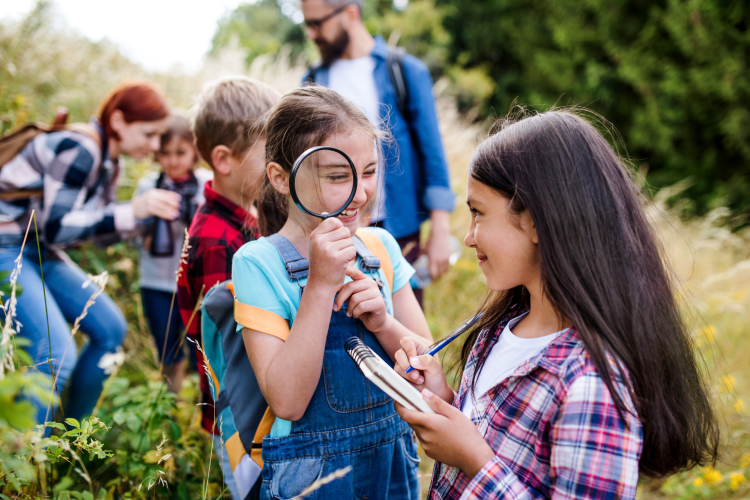
Actively invite families to join your classroom community by creating clear, highly visible sign-up areas for standard roles such as field trip chaperones, reading helpers or PTA representatives. Crucially, remember to include "at-home" volunteer opportunities (such as prepping cut-out materials, organizing digital folders or donating tissues and markers). In this way, working parents who can't attend school during the day can still feel included and capable of supporting your classroom.
22. End With Student Voice
Wrap up the evening by refocusing entirely on the kids. Leave a touching, warm reminder of why everyone is in the room. You can display a "Quote Wall" featuring student responses to "What I'm excited to learn this year," play a quick audio montage of student voices welcoming their parents or get students to leave a surprise handwritten note or self-portrait waiting at each parent's desk. Ending the evening with student voice is a powerful, emotional differentiator that highlights a collaborative team approach to the new school year.
Back-to-School Night Activities for Kids

Here's an important nuance for educators: Before planning student-centered activities, check your specific district policies or school traditions. Some schools design back-to-school night strictly as a parents-only information session, while others invite the whole family. Obviously, you'll only want to incorporate these kid-friendly activities if your school actively invites students to attend.
If your campus hosts a family-inclusive event, keeping younger hands and minds engaged is key. It allows parents to focus on your presentation while helping students build comfort and excitement in their new space. Here are intentional, focused activities for the occasion.
23. Classroom Scavenger Hunt
A scavenger hunt allows students to explore their new learning environment independently. What you'll need to do is hand kids a simple checklist as they walk through the door. Then, ask them to find key areas around the room, such as the classroom library, the pencil sharpener, the hand sanitizer station and the turn-in basket. Not only does this keep them happily occupied, but it also naturally teaches them classroom layout and expectations.
20. Play Meet the Teacher Bingo
Turn your introduction into an interactive game using a simple 3x3 or 4x4 Bingo grid featuring fun facts about yourself, classroom rules or upcoming school subjects (e.g., "Has a pet dog," "Loves science experiments," "Enjoys reading graphic novels"). As you present your slides or talk to the room, kids can listen closely and cross off the boxes when they hear you mention a matching fact. These facts will also help parents decide on teacher appreciation gifts if they ever choose to show their gratitude. Throw in a few general fun facts for kids to keep it entertaining beyond your personal data.
25. Find Your Seat or Cubby Activity

Instead of assigning seats behind closed doors, turn the search for their physical space into a welcoming game. Hide a small personalized name tag, a welcoming sticker, or a puzzle piece at each student's desk or cubby. The students can then hunt around the room to find their designated spot. Finding their own space gives students a tangible sense of belonging and helps ease any lingering anxiety about where they fit into the new classroom.
26. Write a Note to the Teacher
One way to learn more about the students is to ask them to draw a picture or write about themselves. All you have to do is set up a quiet writing and drawing station with colorful construction paper, markers and index cards. Then, invite students to write a brief letter or draw a picture for you. You can give them optional prompts like, "What's your favorite thing to do at recess?" or "What are you most excited to learn this year?" It's a warm introduction to each student where you can understand their goals for the school year and may establish an early connection. Not only will reading their notes after the event give you invaluable insight into your new students' personalities, but also seeing how they interact with the activity will reveal how willing they are to participate or follow instructions.
27. Back to School Photo Booth
Capitalize on the excitement of a new school year by setting up a simple photo booth corner. Hang a colorful butcher paper backdrop on a wall and provide fun, school-themed props like oversized glasses, speech bubbles that say "Ready for 3rd Grade!" or apples and books. Parents will love snapping a quick photo of their child on their smartphones to commemorate the milestone event.
28. STEM or Building Challenge Station
If you need a reliable station that will keep kids deeply focused while you talk through grading policies with parents, a hands-on STEM station is ideal. The point is to keep it open-ended by including building materials like LEGO bricks, Magna-Tiles or even just wooden blocks and index cards. Challenge the kids to build the tallest tower or the sturdiest bridge together. It keeps their hands busy, encourages quiet teamwork and showcases your classroom's emphasis on critical thinking. And if the kids start to fight over the blue LEGO piece, this is your chance to show the parents how you handle conflict in the school environment.
29. Story Time or Read-Aloud Corner
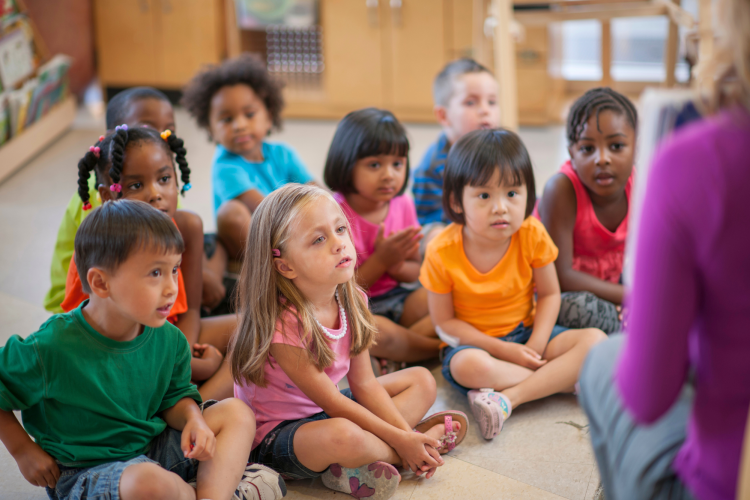
For younger elementary students, a cozy reading nook can be a lifesaver. In an unused corner, layer the floor with comfortable rugs, beanbags and cushions. Then, stock a low shelf with engaging, school-themed picture books. If you have an assistant, a student teacher or a high school volunteer available, they can host periodic, quiet read-aloud sessions throughout the evening to keep pre-K through 2nd-grade students calmly entertained.
30. Outdoor Games or Movement Station
If your school has the available outdoor space, proper weather and dedicated staff or PTA volunteers to supervise, setting up an outdoor movement station can help to build community among the students. Classic, low-organization games like hopscotch, hula-hoop challenges or a sidewalk chalk zone let children safely burn off extra energy. This keeps the physical classroom quieter and less crowded, making it much easier for parents and teachers to converse indoors. Consider the suggestions from the Harvard Graduate School of Education, which stresses that outdoor learning helps students feel calm and better able to focus, making this plan ideal before a longer presentation where students might be asked to sit still.
31. Student Work or Art Walk
There are two options here, depending on when you'll hold your back-to-school night. If your event takes place before the official start of term, you can display anonymously saved examples of exceptional projects from prior years to show kids the exciting, hands-on work they can look forward to. When the night comes a week after the start of the school term, transform a section of your walls into a miniature gallery walk by displaying self-portraits or "All About Me" posters that the students have already completed.
Back to School Night Ideas by Grade Level

A family's needs will change as a child grows from an early learner to a young adult. Tailoring your back-to-school night presentation to your specific grade band ensures you address the exact questions and anxieties parents have at that developmental stage.
Back-to-School Night Ideas for Preschool and Kindergarten
For early childhood families, school is a brand-new milestone often accompanied by big emotions. Your presentation should focus heavily on reassurance, safety and operational logistics.
- Ease Separation Anxiety: Share practical tips and routines parents can use at drop-off to make goodbyes smooth and confident.
- Demystify Daily Routines: Clearly explain the protocols for snack times, lunch, recess and how bathroom breaks are managed.
- Simplify Communication: Highlight a single, primary app (like SeeSaw or Brightwheel) where you will send daily updates and photos so parents feel connected.
- Keep Activities Tangible: If kids are present, provide sensory-friendly zones, playdough tables or a simple classroom puzzle to keep them engaged while you chat with caregivers.
Back-to-School Night Ideas for Elementary School
Elementary parents are highly focused on foundational academic habits, behavioral structures and how they can actively support learning at home.
- Clarify Homework and Reading Routines: Explicitly state nightly reading expectations, how reading logs work and how parents can guide (but not do) homework.
- Explain Classroom Management: Walk parents through your positive reinforcement systems, behavioral matrices, or classroom reward charts.
- Organize Supplies and Storage: Show students and parents where extra supplies are stored, how desks are organized and how to manage take-home folders.
- Highlight Volunteer Roles: Display clear sign-up sheets for classroom parents, reading groups, holiday parties or material prep that can be done from home.
- Showcase Early Student Work: Display "All About Me" posters or first-week writing prompt samples on the desks so parents immediately see their child’s presence in the room.
Back-to-School Night Ideas for Middle School
Middle school marks a massive transition toward student independence. Parents at this stage are often anxious about how to support their child without over-managing them.
- Map Out the Schedule: Explain how rotation blocks work, how passing periods function and how students navigate multiple teachers throughout the day.
- Teach Organizational Systems: Show parents the specific planners, binders or digital calendars students are expected to use to track assignments across different classes. This will also show important dates like vacation times and fun school days like spirit week.
- Break Down Grading and Homework Systems: Explain how weighted grading works (e.g., formative vs. summative assessments) and how to track missing work across multiple platforms.
- Address the Lockers: If applicable, host a mini "locker practice session" where students and parents can test out combination locks together to alleviate a major source of middle school anxiety.
Back-to-School Night Ideas for High School
High school nights are fast-paced and highly academic. Parents are focused on rigorous coursework, accountability and preparing their teens for life after graduation.
- Review Course Expectations and Syllabi: Provide a high-level overview of class rigor, required readings, major midterms and final project weights.
- Detail Late Work and Grading Policies: Clearly establish your boundaries on deadlines, extra credit and rewrite opportunities to foster student accountability.
- Define Communication Boundaries: Explain that students are now expected to advocate for themselves first, utilizing teacher office hours or emails before a parent intervenes.
- Highlight College and Career Readiness: Briefly touch upon how your course builds skills for standardized testing, AP/IB exams or future career pathways.
- Master the Tech Platforms: Walk parents through the institutional grade books (like Canvas or Infinite Campus) where major assignments and graduation tracks are monitored.
Questions Parents Should Ask at Back-to-School Night

While teachers cover a lot in their presentations, you may still have lingering questions about how the school year will unfold. Asking targeted questions helps you establish a strong partnership with the teacher from day one.
To make the most of your time, consider asking these high-impact questions during the open-floor Q&A or submitting them to the teacher's question parking lot.
Communication & Portals
- What is the best way to contact you? (e.g., email, a specific app, or phone, and what are your typical response hours?)
- What classroom apps or portals should we check regularly? (Find out whether you need to log into Google Classroom, Canvas, PowerSchool, or a specific communication app to see assignments and announcements.)
- How do you communicate concerns? (If there is an academic or behavioral shift, will the teacher reach out via email, an app or schedule a call?)
Academics & Expectations
- How much homework should students expect? (Knowing the nightly or weekly time commitment helps you establish a realistic routine at home.)
- How do you handle late work or missed assignments? (Understanding the grace periods and grading deductions for sick days or late submissions prevents surprises on report cards.)
- What should we do if our child is struggling? (Ask about available resources, tutoring hours or intervention steps if your child hits an academic roadblock.)
Partnership & Support
- How can parents support learning at home? (Ask what specific skills, reading habits, or concepts you should reinforce outside of school hours.)
- Are there volunteer opportunities? (Find out how you can get involved, whether that means chaperoning field trips, joining the PTA or helping with projects from home.)
- What supplies or resources are still needed? (Many teachers maintain a classroom wish list for extra tissues, markers or books that you can help fulfill.)
Parent Tip: If you have a question that is highly specific to your child's personal medical needs, past test scores or individual behavioral plan, skip the public Q&A. Instead, write it down for the teacher to address privately, or ask to schedule a formal parent-teacher conference.
Back to School Night Planning Checklist

Use this timeline-based checklist to ensure no detail is overlooked, so you can focus on building strong relationships with families when the big night arrives.
Before Back-to-School Night (Preparation Phase)
- Finalize the Run-of-Show: Map out your strict 45-minute or 1-hour timeline to avoid running out of time mid-presentation.
- Send Logistical Reminders: Email families a few days in advance with the date, time, room number, parking directions, and entry door instructions.
- Streamline Your Visuals: Build a concise, clean slide deck that highlights expectations and policies without overwhelming the screen with text.
- Create the Take-Home Hub: Generate a QR code linking to a shared digital folder containing your syllabus, grading policies, and parent portal setup guides.
- Print Essential Handouts: Prepare a single physical "cheat sheet" containing your contact info and the QR code for parents who prefer hard copies.
- Prep the "Get to Know My Child" Form: Print physical index cards or queue up a Google Form link to capture emotional and behavioral insights from parents.
- Set Up Classroom Stations: Arrange your desks or tables into designated zones (e.g., tech sign-ups, volunteer lists, student work displays).
During Back-to-School Night (Execution Phase)
- Launch the Sign-In Sheet: Place a physical clipboard or a digital tablet with a sign-in form directly at the door to track attendance.
- Establish the Question Parking Lot: Put out a physical basket with index cards and pens or display a Padlet link for individual or lingering questions.
- Display the Agenda Immediately: Write or project the evening's timeline on the main board so arriving parents know exactly what to expect.
- Guide Parents Through the Tech: Spend 5 focused minutes walking families through how to log in to grading portals and download communication apps.
- Collect Volunteer Sign-Ups: Ensure your classroom helper sheets (for both in-person and at-home roles) are visible before parents leave.
- Gather the "Parking Lot" Cards: Collect all submitted cards from your question station as the room empties.
After Back-to-School Night (Follow-Up Phase)
- Email the Digital Resources: Send a school-wide follow-up message to all families (including those who couldn't attend) with a link to your presentation slides and the digital folder.
- Clear the Question Parking Lot: Review the submitted question cards and send personalized, direct emails to answer specific parent inquiries.
- Process Parent Input Data: Review the "Get to Know My Child" responses to gain immediate, valuable insight into your new students' needs and motivators.
- Organize Your Volunteer Base: Compile your volunteer sign-up lists, thank the parents who volunteered, and send out initial setup details for upcoming classroom tasks.
- File Away Attendance: Match your sign-in sheet to your official roster to identify which families may need a brief check-in or a copy of the materials sent home in the student's backpack.
FAQs About Back to School Night
What Does Back-to-school Night Mean?
Back-to-school night is an informational event held at the beginning of the school year that introduces parents and guardians to their child’s teachers, classroom routines, grading policies and curriculum, establishing a collaborative partnership between home and school.
Do Kids Go To Back-to-school Night?
It depends entirely on your specific school or district policy. Some schools structure the evening strictly as a distraction-free presentation for parents and caregivers, while others design it as an inclusive family event with interactive stations for students. Check your school's invitation beforehand to see if children are encouraged to attend.
Is Back-to-school Night Just For Parents?
Traditionally, back-to-school night is heavily focused on parents, legal guardians and primary caregivers. Even at schools where students are welcome, the core purpose remains equipping adults with the logistical and academic information they need to support their children throughout the school year.
What Should Teachers Talk About At Back-to-school Night?
Teachers should focus on high-level classroom logistics and expectations. Key topics to cover include a brief overview of your teaching philosophy, a snapshot of the daily schedule, homework and grading policies, an overview of major curriculum goals, a tutorial on classroom technology platforms and instructions on the best ways to contact you.
What Should Parents Ask At Back-to-school Night?
Parents should ask general questions that benefit the entire room or clarify how to support learning at home. Great examples include: “What is the best way to contact you?” “How can we track daily assignments and grades online?” “What are your policies regarding late or missed work?” and “What can we do at home if our child begins to struggle with a concept?”
How Long Does Back-to-school Night Last?
A standard back-to-school night usually lasts between 1 and 2 hours. This time is typically split between a brief school-wide assembly led by the administration and timed, structured presentations held inside your child's individual classroom(s).
What Is Another Name For Back-to-school Night?
Depending on your region and school system, back-to-school night may also be referred to as Curriculum Night, Parent Information Night, or Meet-the-Teacher Night. While they share similar goals, meet-the-teacher nights are often casual open houses held before school starts, whereas back-to-school nights are more structured presentations held a few weeks into the term.
What Is The Difference Between Back-to-school Night And Parent-teacher Conferences?
Back-to-school night is a group presentation held at the beginning of the year focusing on "big-picture" classroom rules, logistics and curriculum benchmarks. Parent-teacher conferences are private, one-on-one meetings held later in the term to discuss an individual child’s specific academic progress, grades, strengths, and behavioral development.
What Should Teachers Avoid At Back-to-school Night?
Teachers should avoid diving into individual student data or conducting impromptu personal conferences in front of a crowded room. Additionally, avoid reading your syllabus or slideshow word-for-word, using overly technical jargon or overcomplicating the night with too many physical handouts. Keep the focus on human connection and clarity.
How Can You Make Back-to-school Night More Engaging?
To break up the monotony of traditional lecture-style presentations, teachers can incorporate interactive classroom stations, showcase a short audio or visual clip featuring student voices or include a "Get to Know My Child" input form for parents. Keeping slide decks minimal and reserving a physical or digital "Question Parking Lot" for lingering questions also keeps the evening moving smoothly.
Back-to-school night themes are all about engaging families, introducing everyone to the classroom and school rules, getting to know each other and starting the year off on a fun note. Reduce the stress of this exciting evening by planning activities that will engage children. Also, consider ways to make it easy for parents to learn, fill out paperwork and follow the agenda for the night ahead.
By taking these simple steps and incorporating a few of the ideas we have shared, you can plan an incredible evening while accomplishing your goal of making it special and memorable.
For even more fun back-to-school ideas, check out other experiences happening on Classpop!