School Supplies List by Grade: 2026 Back-to-School Checklist


With prices rising and schools supplying fewer materials, getting your kids ready for the new school year can feel overwhelming, not to mention expensive. The school supplies list seems to change with every grade, but there are a few basics that are always helpful to have in their backpack, locker or somewhere at home. So, instead of stressing over the unknowns, think of this as a chance to get ahead and make school days run a little smoother — for both of you.
Jump to Section
- Basic School Supplies Checklist
- Before You Buy School Supplies
- School Supplies List By Grade (Quick Guide)
- Cute School Supplies Kids Actually Love
- Cheap or Free School Supplies That Still Get the Job Done
- Back-to-School Supplies List Essentials
- Curated School Supplies List for Elementary Students
- Curated School Supplies List for Middle Schoolers
- Curated High School Supplies List
- Curated School Supplies List for College
- School Supplies You May Not Need To Buy Yet
- School Supplies List FAQs
Basic School Supplies Checklist
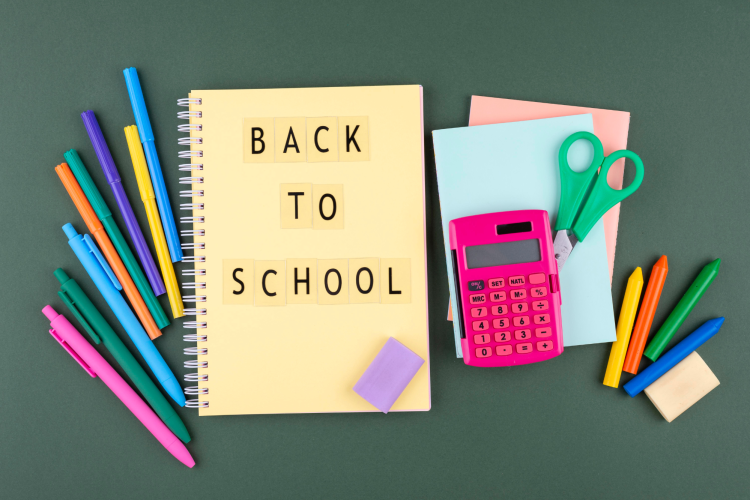
While each student's specific needs may change once the teacher sends out the first syllabus, these school supplies are usually among the most common staples. The short list below covers the gear that students usually use the most and burn through the fastest.
- Backpack or school bag
- Lunchbox
- Water bottle
- Pens
- Pencils
- Erasers
- Pencil sharpener
- Notebooks
- Folders
- Glue or glue sticks
- Scissors
- Ruler
- Crayons
- Markers
- Highlighters
- Tissues
- Hand sanitizer
- Disinfecting wipes
- Headphones
- Pencil Case or Pouch
- 3-Ring Binder
- Sticky Notes
- Dry Erase Markers
Wait for the teacher's official list before buying specialized items like graphing calculators, tablets or specific tech. These lists often include specific classroom donations or subject-only gear that varies by grade level.
Before You Buy School Supplies

It's the "Back-to-School" season, and you're feeling that sense of urgency creeping in. Instead of rushing to the aisles and filling that Amazon basket with unnecessary supplies, consider crafting a game plan. Take a breath. Relax. The best preparation happens at home, not in the store, so follow these golden rules to navigate the school supply shopping season effectively.
1. Set a Hard Budget
Decide on a total number of each supply before heading out to the store. There will be massive sales in-person and online and it’s easy to justify those extras when they're only $1 or $2. But our top tip is that those "micro-purchases" can add up to a major bill at the register. Come prepared with a hard number for each item on your checklist.
2. Audit Your Schedule
Just because you shouldn't buy in bulk if it's not necessary, it doesn't mean you can't benefit from sales. Look at your calendar for the coming weeks. Is your state offering a tax-free weekend by any chance? If so, timing your shopping trip to these windows can save you an automatic 5% to 10%, depending on your local laws.
3. Inventory Former Supplies
Check which backpacks still fit comfortably and which lunchboxes actually seal properly before assuming you need to replace them. Can you get a few more uses without any teasing at school? If so, let them ride for another semester and promise them an upgrade if they maintain an A average.
4. Download the Apps
Many big-box retailers offer "order pickup" discounts or app-exclusive coupons. Comparing prices online for five minutes can save you an hour of driving from store to store and some cash.
5. Check Your School’s Official List First
The colors and characters along the school supply aisle will entice you. Before you get swept up in all the options, hunt down the specific list provided by your child’s school or teacher. Most schools post these on their homepage or via parent portals by mid-summer.
For example, you might think that purchasing a 3-inch binder is clever, because the 1-inch binder isn't on sale. But remember that the official list often includes specific items to save desk space and ensure every student has the exact tools needed for the curriculum. So the 3-inch version likely won’t fit in the classroom cubbies.
6. Shop Your Home First
The cheapest school supplies are the ones you already own from your binge splurge last year. Before heading to the store, "go shopping" in your own house. Empty out last year's backpacks, check the junk drawer, and raid the home office.
Test all the pens and markers to ensure they aren't dried out. Then either refurbish or stockpile. The old binder often just needs a new cover insert or a quick wipe-down to look brand new, and half-used notebooks can be pressed together to make great scratch paper.
7. Wait On Expensive Subject-Specific Items
For middle and high schoolers, the "general" list is rarely the final word. Many teachers have specific requirements for specialized classes like Art, Chemistry, or Calculus that aren’t revealed until the first week of school. Don’t drop $100+ on a graphing calculator until you know exactly which model the teacher supports. Items like specific goggles or sketchpads are often sold at a discount through the school or are only required for the second semester.
8. Label Everything
Labeling is non-negotiable for longevity. Schools are a black hole for unlabelled water bottles and hoodies, so use a permanent marker for folders, notebooks, and pencil cases. For higher-traffic items like clothing, lunchboxes, and water bottles, consider dishwasher-safe adhesive labels or iron-on name tags. For the more expensive electronics or calculators, include a phone number or classroom number to increase your chances of a swift return.
School Supplies List By Grade (Quick Guide)

As students progress through the education system, their backpacks undergo a major transformation. What begins as a collection of tactile art supplies and "just-in-case" changes of clothes eventually evolves into a high-tech mobile office. While every school has its own specific quirks, most grade-level requirements follow a predictable pattern based on developmental needs and academic rigor.
To help you streamline your shopping, we’ve broken down the essential "must-haves" for every stage of the journey from prepping a toddler for their first day of preschool to sending a young adult off to a dorm room.
Preschool And Kindergarten School Supplies List
The supplies for our youngest learners are designed to support tactile exploration, fine motor development, and collective health. At this stage, the focus is less on individual "work" and more on sensory play and creative expression. Because these classrooms are high-traffic areas for germs, there is also a heavy emphasis on hygiene and shared sanitation supplies to keep the environment safe.
- Backpack: Sized to fit the child (ensure it can hold a standard folder without folding).
- Lunchbox & Insulated Water Bottle: Leak-proof and easy for small hands to open.
- Crayons & Washable Markers: Thick "jumbo" versions are often preferred for grip development.
- Glue Sticks & School Glue: Look for "purple" sticks that dry clear to help kids see where they’ve applied it.
- Safety Scissors: Blunt-tipped versions designed for left or right-hand use.
- Construction Paper & Primary Writing Pads: With wide lines and space for drawings.
- Pencil Box: To keep their personal "toolkit" organized.
- Hygiene Essentials: Tissues, hand sanitizer, and disinfecting wipes. Diapers if age-appropriate.
- The "Just-in-Case" Kit: A full change of clothes (including socks, underwear or bodysuits) in a labeled gallon bag. Extra pacifiers if necessary.
Elementary School Supplies List

Elementary lists transition from purely creative play to foundational academic skills. The focus remains on handwriting, organization through folders, and collaborative art projects. This is also the stage where students begin to manage their own desk space and take responsibility for their own tech such as headphones during computer lab sessions.
- Writing Tools: #2 pencils (pre-sharpened save time) and novelty erasers to make mistakes less stressful.
- Personal Sharpener: A handheld version with a receptacle for shavings.
- Coloring Supplies: A 24-pack of crayons and a set of classic markers.
- Ruler: 12-inch with both centimeter and inch markings.
- Organization: Multiple pocket folders (often color-coded by subject) and glue/paste.
- Paper Goods: Wide-ruled notebooks, construction paper and writing pads.
- Tech: Durable headphones (over-ear are usually more comfortable for this age than earbuds).
- Daily Essentials: Lunchbox, water bottle, and a personal-sized hand sanitizer or disinfecting wipes.
Middle School Supplies List

Middle school marks a significant shift as students move between different classrooms for the first time. The supplies list reflects a need for mobile organization and specialized tools for more complex math and science curricula. Success at this level is often determined by a student’s ability to track multiple assignments and keep their locker and binder streamlined.
- Note-Taking: Pens (black, blue, and red for self-grading), pencils, and colorful highlighters.
- The Organization System: A sturdy three-ring binder, 3-hole punch, and subject dividers.
- Planning: A daily student planner to track rotating class schedules and project due dates.
- Math & Science: A basic or scientific calculator, protractor, and graph paper.
- Paper Management: Pocket folders, fasteners, and book covers to protect school-issued texts.
- Desktop: Post-it notes for bookmarking and a portable pencil case that clips into a binder.
- Tech & Hydration: Headphones/earbuds and a high-capacity water bottle.
High School Supplies List

In high school, portability and digital integration are the priorities. With longer school days and increased workloads, students need supplies that can withstand being moved from home to school to extracurriculars. The list becomes more sophisticated, incorporating personal care and tech protection to accommodate a lifestyle that bridges the gap between childhood and adulthood.
- Professional Tools: Quality pens, mechanical pencils, and a multi-color highlighting system for active reading.
- Advanced Math: A graphing calculator (check teacher requirements before purchasing).
- The "Mobile Office": A laptop case or sleeve, a compact stapler, and a 3-hole punch.
- Structure: High-capacity binders, folders, and a robust academic planner.
- Research Supplies: Index cards and Post-it flags for essay drafting and citations.
- Personal Care Package: A small kit with deodorant, breath mints, spare hair ties or lip balm for long days.
- Tech: Noise-canceling headphones for study halls and a portable power bank. A personalized laptop case if they will be using their own laptop in school.
College School Supplies List

College supplies are unique because they must cover two distinct worlds: the lecture hall and the living space. While academic tools become more digital and streamlined, the "supply list" expands to include furniture and lifestyle items that turn a cramped dorm room or apartment into a functional study sanctuary.
- The Study Sanctuary: A comfortable desk chair, a high-quality desk lamp, and a lap desk for working in bed or on a lounge sofa.
- Room Essentials: A small trash can, crates/bins for vertical storage, and a mug warmer for late-night coffee or tea.
- Tech & Software: A reliable printer (with extra ink/paper), planning software, and an "audio-to-notes" transcription app for lectures. Any other apps or software that's needed for their specific major. Possibly an AI tool, after teaching them pitfalls of plagiarism in college.
- Hardware Protection: A durable laptop case and a surge-protected power strip.
- Standard Academic: Personalized planners, colorful highlighters, and folders for physical handouts or syllabi.
- Correspondence: Envelopes and stamps for "real mail" or filing official documents.
Cute School Supplies Kids Actually Love
While the "official" list covers the necessities, it’s the personal flourishes that truly get students excited to head back to the classroom. Add a collection of vibrant stickers or novelty erasers that look more like toys than tools. Spend an afternoon adding a bit of personality to a school bag or creating a notebook featuring their favorite character to allow kids to express their unique style.
From "pretty" planners that make organization feel like a creative project to coordinated lunchboxes and backpacks that stand out in a crowded hallway, a few well-chosen "cute" items can provide a much-needed boost of confidence and fun for the first day of school and beyond.
1. Cute Notebooks

A fun notebook can make everyday schoolwork feel a little more exciting. Spiral-bound, hardcover, glittery, patterned or personalized, the best pick is one your child wants to use and can possibly show off or spark conversation. The right notebook can make all the difference in their motivation and concentration.
2. Stickers
Sometimes, all a plain folder needs is a few fun stickers to brighten it up. You can find inexpensive sheets of stickers at places like Dollar Tree in all sorts of designs like botanicals, superheroes and cute creatures.
3. Novelty Erasers
Sure, a pink eraser does the job, but one shaped like a strawberry or a dinosaur is way more fun. Fill their pencil case with cute erasers in shapes like fruit, animals and fun characters to make corrections much more fun. Go with a perfumed option for even more fun.
4. Pretty Planners

For older students managing a heavy workload, a high-quality planner is the ultimate survival tool. It’s the best way to juggle rotating class schedules, extracurricular activities, and weekend social plans all in one place, especially if they don't have a phone yet. Look for "creative" layouts that offer plenty of white space for doodling or adding stickers—it turns a stressful to-do list into a personalized roadmap for success.
5. Post-its
Sticky notes are perfect for reminders, book flags or colorful chaos on a bedroom wall. Grab a pack with all the colors and let them go wild.
6. Colorful Highlighters
Highlighters are having a moment. From soft pastels to bold neons — and even erasable ones — they’re a fun way to organize notes or just make studying feel less dull. Using different colors for different subjects or types of info can help keep things clear (and make everything look a little more fun).
7. The Perfect School Bag

Every kid has their own style here. Parents might be thinking about ergonomics, but most kids are all about the look. Some want a backpack with 12 pockets, others just care that their favorite character is on the front. As long as it fits the essentials and holds up past October, you’re good.
8. Lunchbox
There’s no shortage of lunchbox options. Some kids go for novelty picks with cartoon characters or pop culture favorites, while others prefer something simple and insulated to keep things warm or cool.
Cheap or Free School Supplies
Equipping a student for the year doesn’t always require a trip to a big-box retailer. In fact, some of the most durable and creative supplies can be found by looking at everyday household items through a new lens or tapping into community resources. Maybe you're trying to adhere to a strict budget or you’re passionate about sustainable, zero-waste living, there are endless ways to secure essentials for pennies on the dollar — or even for free.
By repurposing what you already have and knowing where to look for "pre-loved" materials, you can build a high-quality kit that stands out. Here are a few clever ways to source cheap or free supplies.
9. Paper or Plastic Bags

Those extra grocery bags? Hang onto them. They make great DIY book covers and are handy for hauling art projects, wet shoes or other messy school-day surprises.
10. Glass Jars
Jars are surprisingly useful. They can hold everything from bug collections to colored pencils, or even double as lunch containers. They're also perfect for craft projects and stashing supplies in for easy reach on a desk.
11. Magazines
Old magazines are gold for school projects. Kids can use the pages for collages, vision boards or paper mache projects.
12. Thrifted Art Supplies

Check your local thrift store for discounted school and art supplies. It’s one of the easiest ways to stock up on notebooks, flashcards, pens or crayons for next to nothing. You might even find craft extras like paint, yarn or sketch pads that still have plenty of life left.
Back-to-School Supplies List Essentials
Regardless of the grade level or the school district, there is a "core group" of tools that forms the backbone of every student’s kit. These are the workhorses of the classroom — the items that will be used nearly every single day from September through June. While technology continues to change how we learn, these physical essentials remain non-negotiable for hands-on projects, note-taking and keeping a workspace functional.
When shopping for these basics, look for durability and ease of use to ensure they survive the bottom of a backpack.
13. Pens & Pencils

It doesn’t get more basic than this. Younger kids might need thick, easy-grip pencils as they build motor skills, while older students often prefer pens with smooth ink or fun colors for long stretches of note-taking.
14. Markers
A decent set of markers comes in handy more often than you’d think. From class projects to casual doodling, having a variety of colors makes it easier to bring ideas to life or just brighten up homework time.
15. Scissors
Little hands need small, safe scissors that won’t cause trouble. Older kids will want something sharper for cutting through tougher materials. If your kid’s into crafts, you can even grab a few fun pairs that cut in zig-zags or wavy lines — a small upgrade that makes art time way more fun.
16. Pencil Sharpener

A good sharpener can make a big difference — no one wants to deal with dull pencils during a test. Go for a small one that fits in their pencil case, or a desk-friendly version that catches the shavings. Older kids working on art projects might even need a sharpener designed for specialty pencils like sketching or drafting tools.
17. Ruler
A simple plastic ruler is still a school-day staple. They’re helpful for math, straight lines or the occasional creative project, and they hardly take up any room in a backpack.
18. Glue/Paste
The right adhesive depends on the grade. Little kids usually use glue sticks or white paste, while older students might need liquid glue, Mod Podge or even rubber cement for more complex projects.
19. Folders

Folders are a simple way to keep school papers from taking over every surface at home. Even basic ones do the job, but patterned or colorful folders can make organizing a bit more fun. Some families like to color-code by subject — an easy trick to help kids stay on top of things.
20. Tissues
Most teachers request a few boxes at the start of the year, and it’s easy to see why. Keep some in backpacks too — smaller travel packs are perfect for kids who always seem to need one at the worst time.
Curated School Supplies List for Elementary Students
As children move into elementary school, their academic world expands from play-based learning to structured projects and foundational literacy. The supplies needed during these years are specifically chosen to bridge the gap between creative exploration and the development of fine motor skills. While students are increasingly using technology, the "tactile" experience of physically writing and creating remains the most important part of their daily routine.
At this level, you’ll find that lists focus heavily on materials that encourage storytelling and visual learning.
21. Construction Paper

Some classrooms provide this, but many expect families to send in their own. Multi-colored packs usually do the trick, but extra sheets in seasonal colors like red and green or orange and black can come in handy around the holidays. Many teachers rely on construction paper for everything from classroom crafts to back-to-school bulletin board ideas.
22. Writing Pads
Lined paper is essential at this stage, whether kids are just learning how to write or practicing more advanced note-taking. Back-to-school sales are a good time to stock up.
23. Crayons
A staple for younger students, crayons come in everything from basic 8-packs to giant 96-color boxes. Since these wear out easily and get a lot of use, you'll probably find yourself replacing crayons midway through the year, too.
Curated School Supplies List for Middle Schoolers
Middle school is a major transition period where students move from a single classroom to a rotating schedule. Because they are now balancing multiple teachers and various subjects, the supply list shifts its focus toward portability and precision. This is the stage where students stop just "learning to write" and start "learning to organize," requiring tools to manage a higher volume of handouts and more specialized math and science data.
To keep your middle schooler prepared for this faster pace, prioritize these organizational and technical essentials.
24. Calculator

Most middle schoolers have phones, but that does not mean they can use them in class. A simple calculator is a smart addition to any supply list once math starts getting trickier. It is cheap, reliable and less distracting than a screen.
25. Pencil Case
Middle school is usually the first time kids start switching classrooms, which means their supplies need to move with them. A good pencil case helps keep things from getting lost in the shuffle. Look for one with compartments or built-in loops to keep pens, pencils and extras like erasers and highlighters in place. Zippered pouches or sturdy hard-shell cases work best, and choosing a fun design can make it feel a little more personal.
26. Three-ring Binder / Hole Punch
Once kids start switching classes, the paper pileup begins. A sturdy three-ring binder makes it easier to keep notes and handouts in order by subject. A small portable hole punch is handy for adding loose pages on the go, especially when there’s no classroom one in sight.
27. Protractor

Once geometry hits, a protractor becomes essential. Look for a basic one that’s easy to read and won’t snap in a backpack. Most also work as a small ruler, which is a nice bonus when space is tight.
28. Graph Paper
Graph paper comes in handy for more than just math. It’s often required in science class, and it’s great for sketching, mapping out ideas or practicing hand lettering. Keep a few packs around — it tends to run out fast.
29. Book Covers
School-issued textbooks take a beating. A simple book cover helps keep them in good shape for the year. Buy some at your favorite office supply or discount store or make your own with large sheets of wrapping or kraft paper.
30. Fasteners

It’s the little things that save the day. A small stash of paper clips, binder clips and rubber bands can keep handouts, homework and loose pages from getting lost in the shuffle. Keep a few in a small container in a bookbag for when they are needed.
Curated High School Supplies List
High schoolers operate like young professionals, often spending ten or more hours away from home between classes, sports and extracurriculars. At this stage, the supply list moves beyond just "schoolwork" tools and enters the realm of efficiency and self-sufficiency. Because students often manage their own laptops and move through a sprawling campus, their gear needs to be durable, portable, and designed for a long, productive day.
In addition to the standard notebooks and pens, these specialized items are essential for the modern high school experience.
31. Stapler

A mini stapler can be a real lifesaver, especially for high schoolers bouncing between classes. A small one fits easily in a backpack, or they can keep a larger version in their locker for quick fixes between periods.
32. Personal Care Package
High school days are long, and a small personal care kit can make a big difference. Think lip balm, hand lotion, deodorant, stain remover pens, floss, a comb or brush and any necessary hygiene products. Some students also like to add mints, tissues, snacks or a backup phone charger — just in case.
33. Laptop Case
As more schools provide laptops, a good case is worth having. Look for a padded sleeve or a backpack with a built-in compartment to protect it from bumps and drops. It should fit the charger, too — and ideally survive being tossed into a locker or under a desk more than once.
Curated School Supplies List for College
College life demands a total shift in how students approach their "supplies." For the first time, the list isn't just about what goes into a backpack, but about building a functional ecosystem for both academic success and independent living. Their favorite study cove will depend on their personality, from a library or coffee shop to their own dorm room. No matter where they study, the tools need to support long hours of deep focus and a lifestyle that balances high-tech learning with home-style comfort.
To turn a small living space into a high-performance academic hub, consider these essential additions.
34. Printer

Not every assignment needs to be printed, but having a printer at home or easy access to one can save time and hassle. It’s handy for turning in hard copies or reviewing notes on paper, which some students find helps with focus. Plus, it's easier to mark things up with Post-its or highlighters.
35. Planning Software
Digital tools like Notion or Monday.com make it easier to keep track of group projects, due dates and to-do lists. They’re especially helpful for college students juggling multiple deadlines, and can be used across devices, even on a phone. Both are available to download and use for a monthly subscription fee.
36. Audio to Notes App
Recording lectures is one thing — turning them into useful notes is another. Apps like Evernote and Restream can transcribe audio and organize it, making it easier to study come exam time.
37. Mug Warmer

Not a must have, but a warm drink on a long study night can be a small comfort. Most plug into a USB and keep coffee, tea or cocoa at just the right temperature. While not necessarily a dorm room essential, it’s a great little luxury for dorm life.
38. Comfy Desk Chair
Dorm chairs are rarely built for comfort. A good desk chair with back support can help avoid fatigue and posture problems, especially during long hours at the computer.
39. Trash Can
It may seem basic, but a decent-sized trash can makes it much easier to keep things tidy. If there's a lot of paper involved, go bigger to avoid constant overflow. A stylish bin can also add a bit of personality to a dorm or study space.
40. Perfect Desk Lamp

The right lighting makes a big difference. Look for a lamp with adjustable brightness or color modes so it can switch from relaxed evening reading to focused study sessions.
41. Envelopes or File Folders
Loose pages have a way of getting crumpled or lost. Large envelopes or folders are a simple way to keep assignments, forms or extra notes neat and ready to hand in.
42. Crates & Bins
Dorm rooms are tight on space. Storage crates and bins are a lifesaver for keeping books, supplies and random items neatly out of the way. Go for stackable plastic bins or soft baskets that slide under beds or into closets.
43. Lap Desk

For students who like to work from bed or the couch, a lap desk gives them a solid surface to write or use a laptop. Some are simple, while others have hidden compartments — perfect for stashing notes, pens or a late-night snack.
School Supplies You May Not Need To Buy Yet

One of the biggest mistakes parents and students make is trying to purchase every single item before the first bell rings. In reality, many of the most expensive items shouldn't be purchased until you’ve actually met the teacher or attended the first week of lectures. Waiting can save you hundreds of dollars and prevent you from cluttering your space with specialized gear that never leaves its packaging. Some schools even have discounted rates from specific suppliers or excess purchases.
Before you swipe your card for these high-ticket items, consider holding off, especially for older kids, teens and young adults.
- Graphing Calculator: These can cost over $100. Many high school teachers have a specific preference (usually a TI-84 Plus or similar), and some college courses actually forbid them in favor of scientific calculators or computer software. Wait to see which model is required for your specific curriculum.
- Textbooks: Try not to buy college textbooks before the first day of class. Professors often list "required" books on the portal to satisfy school policy, but will tell you in person that an older, cheaper edition is fine — or that the book is available for free at the library.
- Specialty Art Supplies: Art teachers are notoriously particular about brands and materials. Buying a generic watercolor set or the wrong grade of sketching pencils now might mean buying them all over again once you get the detailed syllabus.
- Large Binders: While a 3-inch binder looks like it can hold everything, many students find them too bulky for lockers or backpacks. Most teachers will specify if they prefer several thin binders or one large one during the first week.
- Lab Notebooks: Science labs often require specific carbon-copy or grid-lined notebooks for official record-keeping. Don't guess on the format; wait for the lab instructor's exact specifications.
- Dorm Appliances: If you’re heading to college, wait until you’ve coordinated with your roommate. You don't want to show up with two mini-fridges and zero microwaves. Furthermore, many dorms have strict fire-safety rules about which brands or wattages are allowed.
- Expensive Tech Accessories: Items like high-end stylus pens, external hard drives, or specialized software are often available at a deep discount through the school’s bookstore or IT department once you have a student ID.
- Subject-Specific Supplies: Whether it’s a specific brand of musical instrument reeds or a particular type of drafting paper, these niche items are best bought after you’ve had the chance to ask the instructor for recommendations on the best value-for-money options.
How To Save Money On School Supplies

The "Back-to-School" season is one of the most expensive times of the year for families, second only to the winter holidays. Retailers create an atmosphere of urgency, making it feel like you need a completely fresh start every September. However, with a little strategic planning, you can significantly slash your bill without leaving your student feeling unprepared.
Saving money isn't about cutting corners on quality; it’s about being intentional with your spending. By separating the "must-haves" from the "nice-to-haves" and timing your purchases correctly, you can equip your child with high-quality gear while keeping your budget intact.
1. Reuse What Still Works
The most sustainable and cost-effective supply is the one you already own. Before you buy new, conduct an "inventory audit" of last year’s gear. Items like backpacks, lunchboxes, and pencil cases are often built to last several years. A quick run through the washing machine can make them look brand new. Durable tools like rulers, scissors, calculators and binders rarely wear out after a single grade level. If it isn't broken, don't replace it, repair it.
2. Buy Basics In Bulk
For the items you know will be lost or used up by October, go big. Pencils, glue sticks, tissues, wipes and erasers are significantly cheaper when purchased in bulk packs at warehouse clubs or during peak August sales. Since these items don't expire, you can store the extras in a "supply closet" at home to refill your child’s backpack throughout the year, and the next.
3. Save The Fun Items For Motivation
While we touched on cute notebooks, stickers, novelty erasers and colorful highlighters earlier, these shouldn't be the bulk of your shopping list. Instead, treat these "personality" items as rewards or mid-semester motivators. Buying one special, "cute" notebook can make a student feel excited, while the rest of their subjects can be housed in standard, budget-friendly folders.
4. Check Thrift Stores And Dollar Stores
As mentioned in our section on thrifted art supplies, second-hand shops are gold mines for high-end items like binders and organizational bins. For brand-new basics, the Dollar Store is an excellent resource for poster board, envelopes and cleaning supplies. You’ll often find the exact same name-brand tissues and sanitizers there for a fraction of the supermarket price.
School Supplies List FAQs
What Supplies Should I Get for School?
The must-haves vary by age and grade level, but most students will need a mix of writing tools, art supplies, paper, and basics like scissors, tape, glue and a ruler.
What Do Kids Need Most for School?
Since students are hauling everything from homework to lunchboxes, a solid backpack, book bag or case is a must. Look for something that’s tough enough to survive daily use and has enough space and pockets to keep things organized. Waterproofing is a bonus, especially for those surprise rainy-day walks home.
What Are High School Supply Must-Haves?
High schoolers are constantly on the move, so portable, easy-to-grab supplies are key. A stocked pencil case with pens, glue sticks, scissors, a mini stapler and a sharpener can save the day when they're switching between classes or finishing assignments on the go.
What Do You Need To Buy for School?
In addition to basic supplies, getting students ready for the year often means picking up extras — like back-to-school outfits, outerwear and boots, and setting up your home with things that make studying easier. That might mean creating quiet areas or reading nooks (a great kids' room idea), getting the right tech or just finding a comfortable spot to tackle homework. It helps to plan ahead or dedicate a back-to-school night to make sure everything’s covered before day one.
What Are 10 Basic School Supplies?
- Graphite Pencils: Still the universal standard. Whether it’s a classic #2 or a mechanical version, these are non-negotiable for math and testing.
- Ballpoint Pens: Usually required in blue or black for assignments and red for self-correcting or grading.
- Loose-Leaf Paper or Notebooks: You need a surface for those thoughts. Wide-ruled is standard for younger kids, while college-ruled is the go-to for older students.
- Pocket Folders: The "gatekeepers" of homework. One per subject is the easiest way to keep loose handouts from becoming a crumpled mess.
- Erasers: Because mistakes are part of the process. A high-quality "pink" or white polymer eraser is much more effective than the tiny nubs on the end of a pencil.
- Pencil Sharpener: A small, manual sharpener with a shavings catcher keeps a student at their desk rather than wandering to the communal sharpener.
- Glue Sticks: The cleaner, faster alternative to liquid glue for projects, interactive notebooks, and posters.
- Scissors: Look for "safety" tips for younger kids and full-sized, ergonomic grips for older students.
- Ruler: A dual-unit (inches and centimeters) ruler is essential for both math precision and drawing clean lines in any subject.
- Highlighters: Vital for "active reading." They help students identify key terms in textbooks and organize their own notes by importance.
A good school supplies list does more than just tick off items — it sets kids up for a smoother year and gives parents a little peace of mind along the way.
For even more back-to-school ideas, check out other experiences happening on Classpop!