100+ Fun Facts for Kids in 2026 That Sound Made-Up (But Aren't)


You’re glowing right now — literally. The human body gives off tiny amounts of light from chemical reactions happening inside your cells, even though your eyes can’t see it. Facts like that are what make fun facts for kids so irresistible. They turn ordinary moments into “wait… really?” discoveries that kids want to repeat out loud.
From fun facts for kids about school to fun facts for kids about summer, this collection is built around those “no way” moments. It works just as well for fun facts for 7-year-olds as it does for older kids, and it’s the kind of mix you could almost turn into a fun facts for kids book. According to Brown University, kids absorb information far more quickly than adults, so teaching them as many fun facts for kids as possible while they’re young sets them up for success.
Try turning them into flashcards with fun facts for kids with pictures during winter crafts for kids, setting out healthy snacks for kids while they work or letting movies for kids play quietly in the background. Small moments like these create space for curiosity, conversation and learning that doesn’t feel forced
Jump to Section
- Weird and Wonderful Facts That Sound Made-Up (But Aren’t)
- Fun Facts for Kids About Animals
- Fun Facts About Your Body and Brain
- Fun Facts for Kids About School and Learning
- Fun Facts for Kids About the World
- Silly, Surprising and Just-For-Fun Facts
- Summer Fun Facts Kids Love Sharing
Weird and Wonderful Facts That Sound Made-Up (But Aren’t)
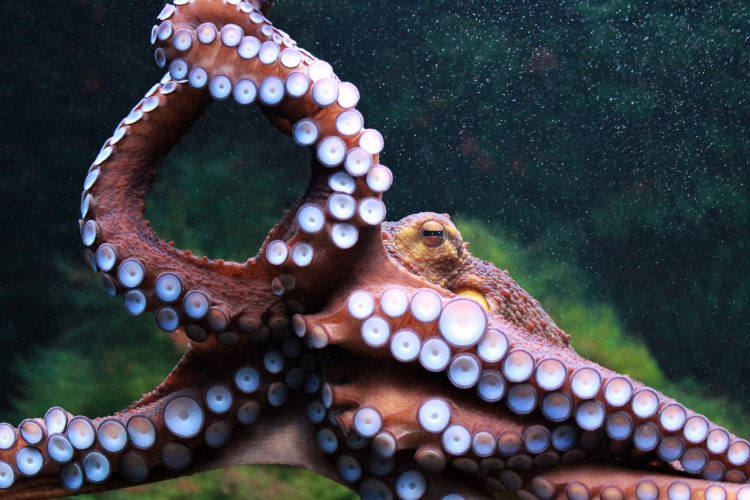
Some fun facts for kids seem too bizarre to be real, but they’re true! The stranger a weird fact feels, the more likely kids are to stop, argue about it for a second and then want to hear more.
1. Octopuses have three hearts, and two of them stop beating when they swim.
Their extra hearts help move oxygen through their bodies, but swimming is so hard on them that those hearts take a break.
2. Some turtles can breathe through their butts while underwater.
They have special body parts that absorb oxygen from water when they’re hibernating.
3. Honey never spoils—jars found in ancient tombs are still safe to eat.
Honey’s chemistry prevents bacteria from growing.
4. Wombat poop comes out in perfect little cubes.
The shape comes from the way food moves through their intestines.
5. A day on Venus is longer than a year on Venus.
The planet spins very slowly but travels around the sun more quickly.
6. There are more trees on Earth than stars in the Milky Way galaxy.
Scientists have counted trillions of trees using satellite data.
7. Sharks existed before trees and even before Saturn had rings.
Sharks have been around for hundreds of millions of years.
8. Your nose can remember over 50,000 different smells.
Smell signals go straight to the part of your brain that stores memories.
9. Cows have best friends and get stressed when they’re separated.
They form strong social bonds, just like people do.
10. Some frogs can freeze solid in winter and come back to life in spring.
Their bodies make special chemicals that protect their cells from ice.
11. There’s a species of jellyfish that can turn itself young again instead of dying.
It resets its life cycle when conditions are right.
12. You’re glowing right now, but your eyes can’t see it.
Chemical reactions in your body give off tiny amounts of light.
13. A single cloud can weigh more than a million elephants.
All those tiny water droplets add up to an enormous weight.
14. Ants don’t have lungs—they breathe through tiny holes in their bodies.
Oxygen goes directly into their bodies without lungs at all.
15. A group of flamingos is called a “flamboyance,” and they really live up to the name.
Their bright color comes from pigments in the food they eat.
Fun facts can really get kids thinking, inspiring them to draw, build or paint what they’ve just learned. Art classes in NYC, LA and Houston allow them to do just that, offering an outlet for self-expression and exploring their curiosity.
Fun Facts for Kids About Animals

Kids love animals — just look at how many kids’ room ideas are animal-themed! Fun facts about animals add another layer, showing how much more is going on beneath the surface than most people realize.
16. Crows can remember human faces and warn other crows about people they don’t trust.
They recognize faces and share the information with their flock.
17. Dolphins give each other names and answer when called.
Each dolphin has a unique whistle that serves as its name.
18. Elephants can tell the difference between friendly voices and dangerous ones.
They use sound cues to decide whether to stay calm or move away.
19. Octopuses can taste things using their arms.
Special sensors on their suckers detect chemicals in the water.
20. Rats laugh when they’re tickled.
They make tiny sounds that mean they’re enjoying themselves.
21. Dogs can smell your feelings.
Changes in your scent tell them if you’re stressed, happy, or scared.
22. Parrots can understand concepts like color, shape, and number.
They don’t just copy words—they know what some of them mean.
23. Bees can argue and then vote on big decisions.
They use dances to share ideas before choosing a new home.
24. Cats know their names but sometimes ignore them on purpose.
Studies show they recognize the sound even when they don’t respond.
25. Sea otters hold hands while sleeping so they don’t drift apart.
This keeps the group together in moving water.
26. Squirrels pretend to bury food to trick other animals.
Fake hiding spots help protect their real stash.
27. Owls can rotate their heads without hurting themselves.
Special blood vessels protect their brains while they turn.
Fun Facts About Your Body and Brain

Fun facts for kids don’t always have to be educational, but they certainly can be. Learning how the human body works through fun facts can make science class more memorable and feel a little more like playtime.
28. Your brain can’t feel pain, even though it tells the rest of your body when something hurts.
It sends pain messages but doesn’t receive them itself.
29. You have more bones as a baby than you do as an adult.
Some bones slowly fuse together as you grow.
30. Your stomach gets a brand-new lining every few days.
This keeps it safe from the strong juices that break down food.
31. You blink more when you’re thinking hard.
Your brain uses blinking to reset and refocus.
32. Your ears help you balance, not just hear.
Tiny fluid-filled parts tell your brain which way is up.
33. Your heart can speed up just from thinking about running.
Your brain prepares your body before you even move.
34. You have a “second brain” in your gut.
Nerve cells there help control digestion and talk to your brain.
35. Your skin is always growing and shedding, even when you don’t notice.
Old skin flakes off while new skin replaces it.
36. You’re slightly taller in the morning than at night.
Your spine stretches while you sleep and compresses during the day.
37. Your brain edits what you see before you notice it.
It fills in gaps and smooths things out, making the world look steady.
38. You can’t tickle yourself properly.
Your brain knows what’s coming and turns down the surprise.
39. Your brain uses more energy than any other part of your body.
Even while resting, it’s busy thinking and organizing.
40. Your brain changes a little every time you learn something new.
New connections form, like tiny learning pathways.
41. You can hear your name even in a noisy room.
Your brain is always listening for sounds that matter to you.
42. Yawning can spread from person to person.
Seeing or hearing a yawn can trigger your brain to copy it.
43. Your body starts getting ready to wake up before you open your eyes.
Internal timers slowly switch you from sleep mode to alert mode.
Fun Facts for Kids About School and Learning

Learning doesn’t have to be a chore! Which is great, because these fun facts for kids about school are anything but boring. They help connect what happens in the classroom to what’s actually going on inside the brain.
44. Your brain actually grows when you make mistakes.
Fixing an error helps your brain build stronger connections.
45. Your brain likes learning in short bursts, not long marathons.
Quick breaks help it reset and stay focused.
46. Laughing during a lesson helps your brain learn faster.
Good feelings make it easier to remember new information.
47. Your brain pays more attention when something surprises you.
Unexpected facts wake it up.
48. Teaching someone else is one of the fastest ways to learn.
Your brain has to organize the idea clearly.
49. Your brain forgets things on purpose.
It clears space so important ideas stand out.
50. Moving your body helps your brain think.
Walking or stretching wakes up thinking power.
51. You remember stories better than facts.
Stories give your brain a path to follow.
52. Your brain can learn while you sleep.
Sleep helps store what you practiced during the day.
53. Asking questions helps your brain stay awake.
Questions turn learning into a hunt instead of a chore.
54. Your brain learns better when you care about the topic.
Interest acts like a highlighter for memory.
55. Reading the same thing twice doesn’t always help as much as testing yourself.
Remembering it from memory makes it stick.
56. Your brain likes challenges that are hard—but not too hard.
The sweet spot keeps it motivated.
57. Curiosity can spread from one student to another.
Excitement is contagious.
58. Writing things by hand helps your brain remember them.
The movement helps lock in ideas.
59. Your brain notices pictures faster than words.
Images grab attention right away.
Fun Facts for Kids About the World

It's no surprise that the world doesn’t work the same way everywhere. Which is exactly what these fun facts for kids about the world point out: the small details about places and cultures that make a place feel truly unique.
60. There are places on Earth where the sun doesn’t rise for months — and others where it never really sets.
Near the poles, Earth’s tilt changes how sunlight hits the ground.
61. People around the world greet each other in completely different ways — bows, nose touches, cheek kisses, and more.
Greetings grow out of local history and customs.
62. One country can have more than one New Year’s celebration.
Different calendars mark time in different ways.
63. Some mountains are actually underwater and taller than many on land.
They rise from the ocean floor instead of the ground.
64. Not all beaches are sandy—some are black, pink, or even green.
Tiny rocks, shells, or volcanic material change the color.
65. People speak thousands of languages, but they all laugh in similar ways.
Laughter sounds the same no matter where you’re from.
66. Some lakes can make you float even if you aren’t actively swimming.
Extra salt gives the water buoyancy.
67. There are towns built entirely on stilts over water.
Living above the water helps with fishing and flooding.
68. Certain forests glow at night.
Tiny living organisms create natural light.
69. You can stand in one spot and be in two countries at once.
Borders sometimes run right through towns or buildings.
70. People in different cultures eat the same foods—but in totally different ways.
Ingredients travel, recipes transform.
71. There are caves so big they have their own clouds and weather.
Warm and cool air move around inside them.
72. There are places where it rains fish or frogs.
Strong winds can lift animals and drop them somewhere else.
73. People have lived in the same cities for thousands of years.
The buildings may look different, but the cultures have been around for ages.
74. Some cultures use whistles instead of words to talk across long distances.
Sound travels farther than voices in certain landscapes.
75. There are waterfalls that flow upward—at least they look like they do.
Powerful winds can push the water back up.
76. Oceans connect almost every country on Earth.
Water links places that feel very far apart.
Silly, Surprising and Just-For-Fun Facts
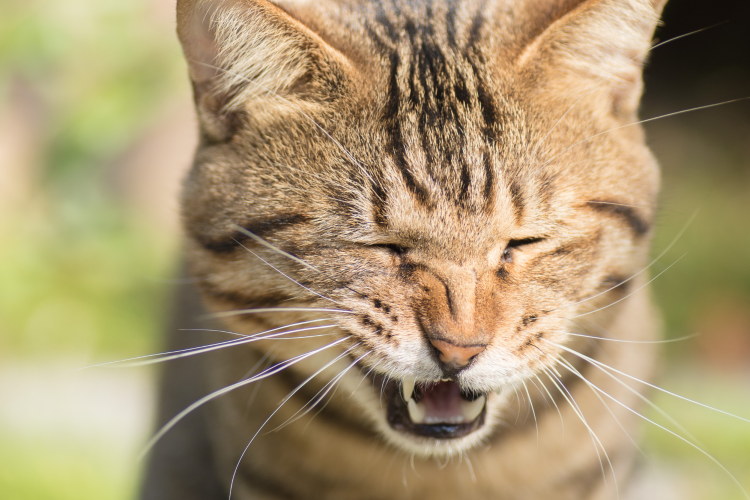
Like jokes for kids, fun facts don’t have an ulterior motive; they’re meant simply for entertainment. Some fun facts for kids are only here because they’re odd, funny or hard to forget.
77. A group of frogs is called an “army.”
This makes the tiny creatures sound very serious.
78. Some cats are allergic to people.
Human skin flakes can make them sneeze — just like pet dander does to some people.
79. There’s a town where it rains donuts once a year.
Planes drop them from the sky during a festival.
80. A single sneeze can travel faster than a bicycle.
Air shoots out of your nose at a surprising speed.
81. Cows can walk upstairs but have trouble walking back down.
It has to do with how their knees bend.
82. There’s a kind of cheese that jumps when you heat it.
Trapped air makes it pop and wiggle.
83. You can’t hum while holding your nose.
Humming needs air moving through your nose.
84. Pineapples are berries, but raspberries aren’t.
Plants have very confusing rules.
85. Sloths sometimes mistake their own arms for tree branches.
Slow thinking plus long naps = mix-ups.
86. Butterflies taste with their feet.
They step on food to see if it’s good.
87. There’s a museum dedicated entirely to bad art.
The worse it is, the better it fits.
88. A snail can sleep for three years straight.
Extreme naps help it survive dry weather.
89. Penguins propose with pebbles.
A perfect rock is very romantic in penguin terms.
90. There’s a species of worm that can regrow its head and tail.
It treats losing parts like no big deal.
91. Bananas are slightly radioactive.
Don’t worry—they’re still very safe to eat.
Summer Fun Facts Kids Love Sharing

Summer changes the way small things feel, from heat and light to sounds and smells. Fun facts for kids about summer focus on those little details kids tend to notice first.
92. You can smell sunscreen before you even see the pool.
Warm air carries smells farther, so summer scents travel fast.
93. Ice cream melts faster on some days than others — even at the same temperature.
Sunlight and humidity can speed things up.
94. Fireflies don’t just glow for fun — they’re talking to each other.
Their flashes are messages about finding a match.
95. You feel more tired after swimming than after running around.
Water makes your muscles work harder than you realize.
96. The smell after a summer rain has its own name: petrichor.
It comes from plants and soil that release scent when they get wet.
97. Sidewalk chalk looks brighter in the sun than on cloudy days.
Strong light makes colors pop more.
98. You can hear insects better at night in summer.
Warm air helps sound travel farther.
99. Your shadow shrinks at midday and stretches in the evening.
The sun’s position changes how shadows fall.
100. Grass feels cooler than pavement even on the hottest days.
Plants don’t store heat the way concrete does.
101. Summer naps feel different from school-year naps.
More daylight changes how sleepy your brain feels.
102. Popsicles drip more when you eat them outside.
Heat and sunshine work together against frozen treats.
103. Campfires crackle louder on dry summer nights.
Heat and dry wood make more popping sounds.
104. Swimming makes your fingers wrinkle faster in warm weather.
Water and temperature affect your skin’s reaction.
105. You feel braver trying new things during summer break.
Fewer schedules give your brain more room to explore.
106. Staying up late feels easier in summer.
Longer daylight delays your body’s sleepy signals.
Whether you’re using these fun facts for kids as a quick classroom activity, turning a few into flashcards with fun facts for kids with pictures or pulling them out for things to do with kids on a long car ride, they’re easy to dip into whenever you need them. They’re meant to be shared, repeated and talked about — not memorized.
From animals and school to summer and the world around us, there’s a wide mix here that works across ages. With more than 100 fun facts for kids to choose from, you’ve got plenty to keep kids curious, entertained and asking what comes next.
For even more entertaining kids' ideas, check out other experiences happening on Classpop!