39 Top DIY Home Décor Ideas and Tips for 2026

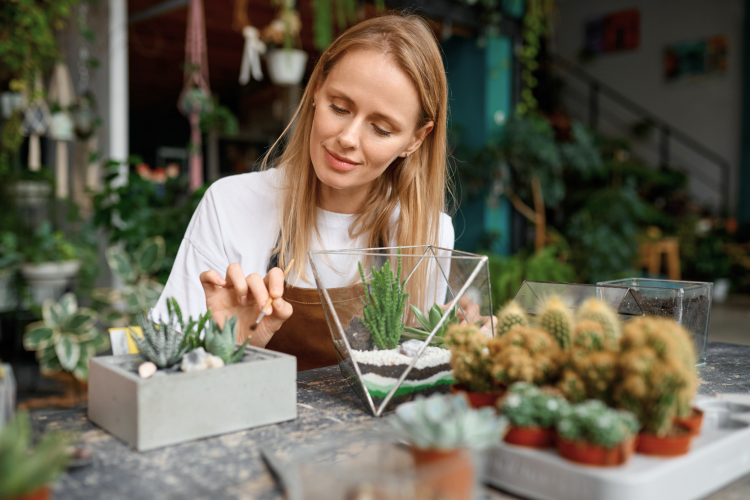
When it comes to refreshing your home, there are tons of easy DIY home décor tricks to make your space look updated without breaking the bank. Don’t be intimidated by the process of decorating or redecorating your home.
There is tons of guidance out there so you don’t have to make your own mistakes to learn, not to mention this list to inspire you with practical, cheap and downright festive DIY home décor ideas.
Wondering, "How can I decorate my house with DIY?" Start with choosing a theme, setting a budget and seeking inspiration. Sure, you could hire contractors to do your home improvement for you, but then you don’t get any of the benefits of doing it yourself.
Besides the obvious sense of accomplishment, House Digest notes that the physical labor along with the stress relief of being creative results in mental and physical health boost. So, the next time you’re thinking of tackling some DIY home projects — just go for it!
Jump to Section
- DIY Home Décor & Craft Workshops
- Best Tips for DIY Home Décor Projects
- Modern DIY Home Décor Ideas
- Rustic DIY Home Décor Ideas
- Holiday DIY Home Décor Ideas
DIY Home Décor & Craft Workshops
1. Add Your Own Custom Art
The smallest additions to your space, like adding a new painting on your wall, can help revitalize the room or tie together a new piece of furniture. It's also one of the nicest home office ideas to create inspiration.
Rather than searching countless stores or shopping online for something you think might look good, take matters into your own hands with art classes near you to bring your DIY home décor ideas to life.
When you sign up for art classes in Houston, art classes in Portland or art classes in Boston, you will get hands-on practice from experts so you can create the piece of your dreams and make handmade craft ideas for home decorations with step-by-step guidance.
Master techniques for new brush strokes or color combinations that can help you if you’re wondering how to find your art style.

2. Create in Paint and Sip
Paint and sip classes are basically arts and crafts for adults, and they make for a laid-back afternoon or evening of getting into your creative side.
Sign up for paint and sip in NYC, paint and sip in Atlanta or paint and sip in Chicago with your partner or close friends and emulate some creative painting ideas while you sip on wine or beer.
Wherever you live, there’s a paint and sip near you to inspire you on your DIY home décor journey.
3. Handmade Pottery
There are so many DIY crafts for home that you can make when you sign up for pottery classes near you. From miniature catch-all bowls for keys and jewelry to custom coffee mugs, a handmade art piece is a great gift for new homeowners or a gift to yourself on your journey to redecorate your own space.
Check out pottery classes in Boston, pottery classes in Los Angeles or pottery classes in Houston for fun art ideas for teens or adults.
Wondering "How can I make cool things for my room?" Look no further than a cool clay piece for your DIY home décor. Pottery making is a useful artistic skill that can yield amazing results.
4. Floral Art
While this DIY home décor idea may be temporary, it’s easy to change with the seasons so you have built-in DIY fall décor or holiday cheer on your countertop or bedside table.
A virtual flower arranging class will teach you how to transform that farmer’s market bouquet or bundle of wildflowers into a colorful and dynamic art piece and learn how to add beautiful, simple decoration ideas at home.
A floral expert will teach handmade craft ideas for home decorations step by step, and you can practice from the comfort of your own home. This is a skill you will use over and over again.
5. Macramé or Yarn Art
Perhaps yarn isn’t the first thing that comes to mind when you think of art ideas, but this cheap material can be turned into a gorgeous craft idea for a DIY home décor wall hanging art piece. All you need is a wooden dowel of your chosen size and a bunch of thread.
If you can find a piece of wood with a hole in each end, that’s ideal, otherwise, you’ll need to create your own. After tying a knot so the piece can be hung in a triangle fashion, you can take your threads either individually or in thick groups and tie or loop them around the dowel so they hang in an orderly fashion.
If you’re looking for how to decorate the living room with simple things, a thoughtfully made neutral yarn art piece can add a nice texture to a room. This DIY home décor piece is super simple and makes a simple decoration idea for at home.

6. Landscape Art
Head to your local garden store and come up with a landscape plan or design for your yard. Whether you want to dig your own holes and plant your own trees and shrubs or just put together a beautiful topiary arrangement, it’s a very manageable DIY home décor idea that will immediately add new life to your space.
Most garden centers will help you to plan what and where to plant things based on conditions and your desired vision.
Best Tips for DIY Home Décor Projects
7. Start Easy
If you’re new to DIY home décor or renovations, it’s best to start small. Don’t set out to redo a whole room right away. Choose a piece of furniture, like a dresser in a bedroom, and get comfortable there first.
If you mess it up, it’s not a focal piece in the main area of your house. Plus, you can always start over!
8. Mix and Match
Whether you’re a new homeowner or simply looking to freshen up your space, it can be expensive and unnecessary to re-do an entire room or home all at one time.
Mix and match modern with vintage for a cool, lived-in vibe. Tackle fun DIY home décor projects on the weekends to slowly make the space your own.
9. Start With Just Paint
The cheapest and easiest DIY home décor hack is repainting your walls. Seriously, a fresh coat can do wonders, even if you go with the same color. Finding things to paint is extremely easy. Or, venture outside the box and try the floating arch trick. Paint a floating arch in any fun color that you like.

10. Check Out DIY Home Décor Experts
Ever seen an absolutely stunning piece from a furniture store that’s out of your budget? Check online to see if someone has made a “dupe” and if they share any tips for how they did it.
From trendy stone tables to chic mid-century modern consoles, with the right tools and a trip to Home Depot, you’d be surprised how many beautiful and affordable pieces you can re-create for your home.
Plus, you get to brag about all your DIY home décor pieces when people compliment them.
11. Consider a Handmade Gift
For a good friend, next-door neighbor or housewarming present, there are a number of inexpensive DIY home décor gifts you can craft to make the place feel like home, like DIY photo ornaments.
Think along the lines of custom coffee cups, a handmade tassel blanket or even a handmade coffee table. An art kit is also nice if they're artsy and want to make their own masterpieces.
Modern DIY Home Décor Ideas
12. DIY Wallpaper
Who knew that wallpaper was so pricey? It seemed like something your grandparents had in their home that made it feel dated, but nowadays there are tons of choices for chic and fun wallpapers to bring some joy to your home.
But if hiring a professional wallpaper hanger isn’t in the budget, you have options! Sticky wallpaper can be hung by the average person with a steady hand, or you can get even more involved with this DIY home décor idea and paint your own.
A simple, repetitive pattern is a chic way to update your room. Take a household item like a sponge and dip it in a color to stamp on the wall. It helps to use a level and create some general lines or spacing to follow, otherwise, you can just wing it.
13. Modernize Your Dresser
It doesn’t take much to bring an old piece of furniture like a dresser or nightstand into the present day. You don’t have to be an expert at DIY home décor either.
Supplies for a simple revamp can be bought from a craft store or home improvement store like Lowe’s. You’ll need a hand sander, fresh coat of paint (if you want it!) and some fresh hardware.
Small updates like this make a big difference and they don’t need to be expensive. Wondering How do I change my home décor on a budget? You do it yourself!

14. Make a Cozy Dog Bed
Your furry friend needs a soft place to lay, and if you don’t want them on the furniture you’ve got to offer a better alternative. Pull out your sewing machine and pull together a cozy dog bed that you know will fit your aesthetic.
This functional DIY home décor piece is a great way to keep the color scheme of a room the same. No more worrying about a random colored or patterned pet bed as an eyesore!
15. Fill a Wall With Frames
For a unique DIY home décor idea, take a bunch of picture frames of different sizes and hang them on your wall. Then, repaint that whole wall, including the frames.
This can be done in any color, but it’s extra fun if you choose a bold color like forest green or a shade of blue. No need to fill the frames, unless you want to.
16. Make a Faux Wood Dresser
If you’ve got a dresser on hand that is looking for a re-vamp, go for a cool faux-wood style with this easy DIY home décor idea. All you need is the perfect contact paper and a spare hour to two to turn a plain piece into a statement.
17. Build a Dual-Purpose Planter Box
With the right supplies and a creative vision, you can add a fresh new planter box that doubles as a placeholder for your home number. Using clean lines and outdoor paint, build a tall planter box similar to a raised garden bed.
Attach some new numbers so your home is easy to find and fill it with flowers or tall grass. This DIY home décor project is a fun weekend project for couples to tackle together.

18. Create a Coffee Bar
A lot of people love to start their morning with a hot (or cold) cup of joe. That morning brew is part of their routine and something they look forward to each and every day.
Take that mundane activity and give it its own space in your kitchen or pantry. Treat that cup of coffee like mixing up a tasty cocktail by making a coffee bar or station.
This fun DIY home décor activity lets you organize any and all methods of brewing, decorative cups and mix-ins in one spot. Giving a little nook a different color paint or a new wallpaper can make it stand out in a fun way.
Rustic DIY Home Décor Ideas
19. Faux Paint Your Nightstand
If your style is rustic-chic, then this DIY home décor idea is for you. Give any piece of furniture an antique feel by taking white or cream-colored paint and a paper towel and softly rubbing the paint on the corners and flat edges until it appears worn.
This DIY home project for beginners is hard to mess up. If you’re unhappy with the result, simply sand the thin layer of paint off and start again.
20. DIY Hanging Shelves
Using thick rope and some painted pieces of wood, you have everything you need for an easy and affordable DIY home décor solution with a rustic feel.
After drilling large holes in the four corners of each piece of wood, you’ll need to create a large knot in the rope to hold that piece of wood stable.
Hang this creation in your bathroom or hallway for an easy storage solution for small, light items to show off your new DIY crafts for home.
21. Blanket Ladder
Blankets are an easy way to make a space super cozy, but they don’t have to just sit in your closet taking up space. Make this DIY home décor piece that functions as storage for your selection of cozy quilts and blankets.
A rustic ladder allows you to neatly fold and display your blankets in any room, making it perfect if you want to know how to decorate the living room with simple things that still make a statement.

22. Papier-Mâché Pendant Light
Get crafty with papier-mâché and make up a funky light pendant to hang above your table for a messy yet fun DIY home décor project. You can choose the size and shape, but to make it easy it helps to have something to mold your material to, like a big exercise ball or a balloon.
After the material dries, paint the inside of the fixture to cast a nice hue. A coat of high-quality gold paint casts a warm hue but you can paint it any color you like.
After creating a hole in the top, you can feed through a wire attached to your bulb and hang your fixture to enjoy.
23. Couples Art
A fantastic gift for the newlyweds in your life (or a gift to self) craft a last name plaque to display in a kitchen, laundry room or bedroom for an aesthetic painting idea.
Paint this with your significant other for a fun couples painting idea or create it as a gift for someone else. Fun touches to add to this DIY home décor project include wedding date or the names of their kids.
The focal point should be the last name, in bold letters or large cursive with small details above or below it.
24. Make a Hideaway Bar
This DIY home décor project is great if you’ve got a small space that you’re looking to maximize. Make a foldable miniature bar and table that folds up to save space. This is great if you love to entertain but don’t have a ton of space.
Get out your power tools and be sure your hardware can support the weight of the wooden table before setting it up. You can paint the inside of the shelves and add extra details for some customization of your home bar idea.
25. Coffee Bar Sign
Coffee bars are the latest thing, along with those cheeky mugs or shirts that say things like “Don’t talk to me until I’ve had my coffee” or “But first, coffee.” It’s super simple to turn these funny sayings into a cute little sign for your coffee bar or coffee station.
This DIY home décor project only requires a small piece of wood, acrylic paints and a creative vision.

26. Upcycled Bottles
Maybe not a DIY home décor item exactly, but some recycled glass citronella torches will come in handy for summer evenings on your porch or patio.
Instead of throwing away a beautiful bottle of wine or a colorful liquor bottle, turn it into a rustic citronella torch to keep bugs at bay.
27. Take Inspiration From Books
This DIY home décor idea is perfect for a small library or reading nook to make it any book lover’s dream. Take single pages from your favorite book (ideally, a second copy if you want to read it again) and glue them to the wall.
This keeps the space still fairly neutral, since it’s black and white but gives it a homey touch.
28. Shutter Cabinet
Have some old shutters lying around? Turn them into a cool bar cabinet for your home with a fresh coat of paint and a few odds and ends.
Take an old open-face cabinet and affix a pair of shutters for some extra concealment and a cool, rustic touch. This DIY home décor idea is a great storage solution for items you don’t want on display and can function as a cool nightstand or even a bar cabinet.
29. Farmhouse Style Coat Rack
If you’ve got a big family, it can seem like there are never enough coat hooks for everybody to get their things out of the way. Take matters into your own hands with this easy DIY home décor solution.
Stain and nail together a few pieces of reclaimed wood before screwing in as many hooks as you think you need. Hang this rustic piece in your garage or back hallway for a chic storage solution.

30. Boat Oar Headboard
One of the easiest ways to make your bedroom feel fresh and new is to replace or remake your headboard. If your home has a more rustic vibe to it, turning old boat oars into a headboard is a fun DIY home décor project that will transform your space.
Get the oars from an antique shop or a secondhand sports store and paint them or leave them as mismatched wood.
31. T-shirt Rug
Depending on just how rustic your aesthetic is, this rug may be more of a functional DIY home décor project that you keep in a craft room, not the front of your house. But it could be right up your alley and make a fun focal point and conversation topic! Rug tufting is pretty on trend, so you can learn how to do it anywhere, even online.
All you need is a bunch of old T-shirts, some foam and a hot glue gun for this easy recycled rug. Turn on your favorite show and start cutting your shirts into slits.
Tie each piece into a knot and glue it onto your foam pad in any pattern or design your heart desires. The result is a super plush and practically no-waste rug. It's also an easy and fun DIY idea for kids to add to their room!
Holiday DIY Home Décor Ideas
32. Felt Ball Garland
Felt ball garlands are an easy DIY home décor craft to bring some holiday cheer to your mantle or hallways. Felt balls and string can be found at any local craft store and easily put together for a jolly holiday decoration.
Choose red and green for Christmas, pink and red for Valentine’s or a rainbow of colors for birthdays or a general pop of color. Due to their simple nature and with little to no mess involved, they’re a great DIY idea for kids to help with.
33. Paint Pumpkins
Carving pumpkins is a typical Halloween activity but it can be messy to clean them out, not to mention a little risky with the knives involved. Stay in the festive fall theme with this easy DIY home décor activity — pumpkin painting.
If you have kids, chances are you already have some craft paint on hand, otherwise you can buy acrylic paint for pretty cheap at the craft store.
Lay down some canvas or a few newspapers and paint as many pumpkins as you can to decorate your front porch and inside your home.
From spooky to Disney princesses or magical gardens, there are tons of cute and easy pumpkin painting ideas to recreate.

34. Gallery Wall
An easy way to add a festive flare without going over the top is by creating your own small gallery wall. This DIY home décor idea can be used for regular décor as well, but it’s a fun and laid-back way to get into the new season.
For autumn, use a bunch of small frames, either what you have on hand or get some from a thrift store, and put one small tiny subject in each. For example, a single leaf of different shapes and colors. Organize your frames in orderly rows and columns for a unified result.
35. Decorative Pillows
If you’re a wizard with your sewing machine, decorating pillows is a DIY home décor idea that will be a total breeze. From fun, festive shapes like pumpkins or trees to your favorite holiday fabric, it’s super easy to spruce up your space with holiday-themed pillows.
36. Egg Shell Art
These delicate and beautiful little decorations are a DIY home décor craft if you’ve got time to spare. You can make them into tiny egg ornaments or little tabletop decorations by gluing things in and on them.
From a beautiful gold fringe around the edge to a little miniature figurine inside, the end result is well worth the hard work.
37. Holiday Candles
Another great way to reuse glass containers or favorite candles that have burned out is by making your own candles. Using colored glass or adding a festive sticker on the outside is a fun way to make the candles seasonal.
Add a few drops of your favorite essential oil like pine or peppermint in the winter, and you’ve got an easy DIY home décor piece that you’ll get use out of.
Beeswax and other types of wax can be found at a craft store or sometimes even a farmers market and your handmade candles are nice home décor gifts, too.

38. Make Your Own Cutting Boards
Cutting boards are great for, well, cutting…but they also can function as cool serving platters, if you’ve got a high-quality board made of wood or marble.
Make your own with this unique DIY home décor project just in time for the holidays. Lots of holiday parties mean you’re going to need a bunch of fun serving platters and cutting boards for all that yummy food.
Make sure you purchase a food-safe sealant to seal the wood from creating splinters and keep bacteria at bay.
39. Ribbon Wreath
Some people think of a wreath on the door as a sure sign that Christmas is near, but the truth is you can make a ribbon wreath for any holiday you wish to celebrate.
This easy DIY home décor craft requires three fairly cheap pieces of equipment that come together for a beautiful result. Head to a craft store and purchase a wreath form, usually made of foam or some light wire, along with pipe cleaners and your ribbon of choice.

From big projects to small, temporary decorations to a subtle remodel, there are tons of affordable and achievable DIY home décor projects to transform your space.
Not only is doing it yourself a good mental and physical boost, but it’s more affordable and often ends up being more earth-friendly because you reuse and recycle material.
With each new piece or project you tackle, your confidence will grow and there is truly no limit to where your creativity can take you when it comes to DIY home décor projects.
Set aside some time this weekend to freshen up your space or make a thoughtful home gift for someone you love. Interior design and any DIY project is a form of art, so get into that creative zone and see what comes from it.
For even more fun DIY and craft ideas, check out other experiences happening on Classpop!