13 Mashable Egg Substitutes For Your Baking Needs in 2026

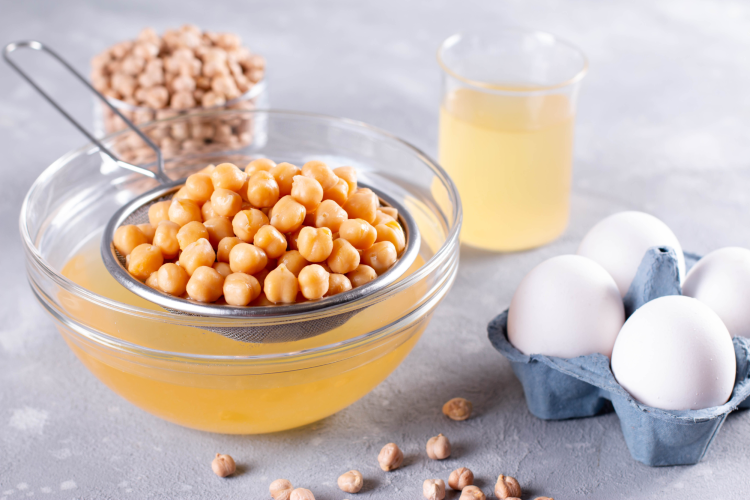
Are you looking for an ideal egg substitute that doesn’t ruin your recipes? While eggs are one of the most versatile ingredients when it comes to cooking, sometimes it's useful to have its substitutes at hand so it doesn’t affect your culinary creations.
Whether you’re craving a delicious recipe you saw online and realized you’re out of eggs, you’re vegan and looking for an easy egg replacement — or the price of eggs has you seeing multiple dollar signs — you’ll discover great egg substitutes that won’t mess up with the texture or flavor of your recipes (or break the bank).
Jump to Section
Top Effective Egg Substitutes
1. Applesauce

What do vegans use to replace eggs? One of the most common egg substitutes for baking is apple sauce. What makes it ideal for any type of cake — whether you’re looking for wedding cake ideas or you're whipping up some homemade muffins — is that applesauce adds moisture and the perfect touch of natural sweetness.
It works well, particularly in recipes where you want to keep the texture soft and tender, such as cakes and muffins.
Quantity: 1/4 cup applesauce = 1 egg
What it works best with: Cakes, muffins, quick breads
Benefits: Low in fat, adds moisture, natural sweetness
Method: Replace eggs with an equal amount of unsweetened applesauce (1/4 cup for each egg). Simply mix into the wet ingredients.
Applesauce is a great option when you want a healthier, lighter alternative to eggs in your baking.
2. Mashed Banana

If you’re looking for an egg substitute for baking a cake, mashed bananas are ideal. Popularly used as a vegan egg substitute, mashed bananas provided both binding and moisture to baked goods. As they have a natural sweetness, you can use them for recipes like muffins, pancakes, and cakes.
Quantity: 1/4 cup mashed banana = 1 egg
What it works best with: Cakes, pancakes, muffins, brownies
Benefits: High in potassium, adds natural sweetness, vegan-friendly
Method: Mash a ripe banana until smooth and use it as a 1:1 replacement for eggs. Mix it with the other wet ingredients.
3. Ground Flaxseed

If you're wondering, "What can I use instead of an egg to bind?" Ground flaxseeds are a versatile ingredient that you can also use for baking. Often used as egg substitutes for cookies, ground flaxseed creates a gel-like consistency when mixed with water that helps to hold ingredients together while also adding a subtle nutty flavor.
Quantity: 1 tablespoon ground flaxseed + 3 tablespoons water = 1 egg
What it works best with: Cookies, gingerbread, granola bars, cakes
Benefits: High in omega-3 fatty acids, rich in fiber, vegan-friendly
Method: Mix 1 tablespoon of ground flaxseed with 3 tablespoons of water and let it sit for about 5 minutes until it thickens. Use this mixture as a direct substitute for eggs.
If you want to explore gingerbread house ideas with egg substitutes, or any other type of baked good, ground flaxseed is a reliable option for binding.
4. Chia Seeds
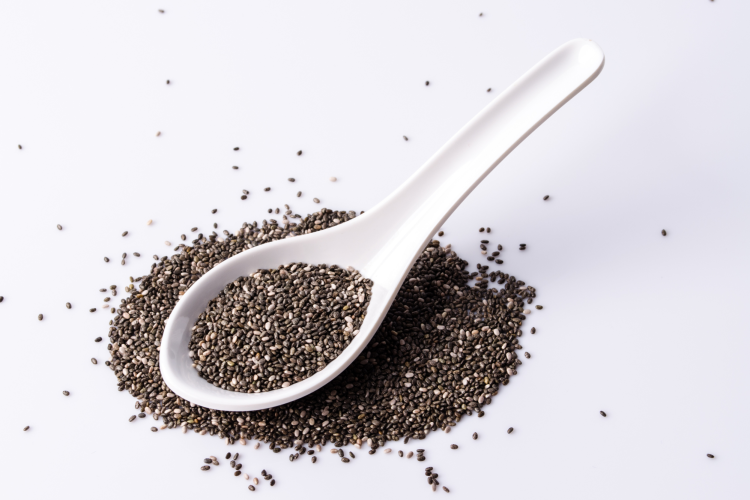
What is the best substitute for an egg? Chia seeds are an excellent egg substitute, particularly for cookies. When mixed together, chia seeds form a sticky consistency useful for binding ingredients (similar to flaxseed), while also adding a slight crunch.
Quantity: 1 tablespoon ground chia seeds + 3 tablespoons water = 1 egg
What it works best with: Egg substitutes for cookies, muffins, pancakes, granola bars
Benefits: High in fiber, omega-3 fatty acids, and antioxidants
Method: Mix 1 tablespoon of ground chia seeds with 3 tablespoons of water, let it sit for 5 minutes until it thickens, then use as a direct egg replacement.
Chia seeds are not only a great binding agent but also provide additional health benefits like fiber and omega-3s.
5. Vinegar and Baking Soda

If you’re looking for an egg substitute for baking a cake and you don’t want to go to the grocery store, you probably have these two ingredients in your kitchen. Vinegar and baking soda work together to create a chemical reaction that helps baked goods rise, making them a great egg substitute for light, fluffy cakes. This combination provides leavening, which is essential for many cake recipes, including birthday cakes.
Quantity: 1 tablespoon vinegar + 1 teaspoon baking soda = 1 egg
What it works best with: Egg substitute for baking cake, cupcakes, pancakes, spongy cakes
Benefits: Vegan-friendly, dairy-free, helps with leavening
Method: Mix 1 tablespoon of vinegar (apple cider or white) with 1 teaspoon of baking soda, and immediately add it to the wet ingredients of your cake batter.
Vinegar and baking soda are a fantastic option for egg-free cakes, providing a light, airy texture while remaining simple and effective for cake recipes.
6. Yogurt

Another popular egg substitute for binding or for baking different types of bread is yogurt. It adds moisture, tenderness and a slight tanginess. It works very well for cakes, muffins and cookies as it gives them a soft and airy texture.
Quantity: 1/4 cup yogurt = 1 egg
What it works best with: Cakes, muffins, cookies, pancakes, brownies
Benefits: High in protein, probiotics, adds moisture
Method: Use 1/4 cup of plain yogurt as a direct replacement for one egg in your baking recipe. Mix it into the wet ingredients.
Yogurt is perfect for binding and adding moisture while increasing the protein content of your baked goods.
7. Aquafaba

If you’re looking for vegan food ideas or want to include more plant-based meals on your menu, you’ve probably heard about aquafaba. This is a common vegan egg substitute that’s made from the liquid from canned chickpeas. Although it may sound a bit weird, aquafaba is an excellent substitute for baking brownies and other delicious baked goods.
Quantity: 3 tablespoons aquafaba = 1 egg
What it works best with: Meringues, egg-free cakes, cookies, macarons, brownies
Benefits: High in protein, vegan-friendly, helps with texture and structure
Method: Use 3 tablespoons of aquafaba as a direct replacement for one egg. Whip it until foamy for recipes requiring egg whites or mix directly into wet ingredients for binding.
Aquafaba also works particularly well in meringues and other recipes where whipped egg whites are needed.
8. Arrowroot Powder

Arrowroot powder is a fine, starchy powder that works well as an egg substitute, particularly for thickening and binding. It’s a great option for recipes that require a light, soft texture like pancakes or puddings. This could also be a great ingredient to consider if you're exploring gifts for bakers who enjoy experimenting with healthy alternatives in their baking.
Quantity: 1 tablespoon arrowroot powder + 3 tablespoons water = 1 egg
What it works best with: Egg substitute for pancakes, cakes, gravies, cookies
Benefits: Gluten-free, easy to digest, vegan-friendly
Method: Mix 1 tablespoon of arrowroot powder with 3 tablespoons of water to form a gel-like consistency. Use this mixture as a direct egg replacement.
Arrowroot powder is perfect for light and fluffy textures. It's a simple, gluten-free option that helps bind ingredients while adding smoothness.
9. Silken tofu
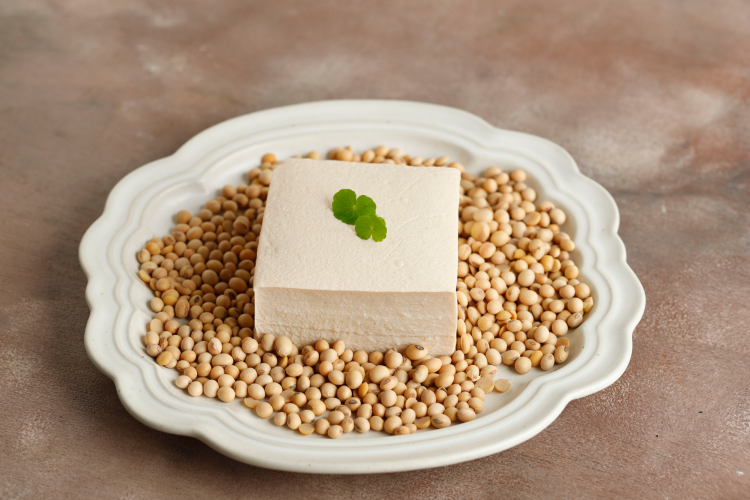
Silken tofu is another popular egg replacement that works with both sweet treats as well as salty recipes. For those looking for an egg substitute for breakfast, silken tofu is great for “scrambled eggs” and other delicious baked recipes.
Quantity: 1/4 cup silken tofu = 1 egg
What it works best with: Egg replacement, quiches, scrambles, cakes, brownies
Benefits: High in protein, dairy-free, vegan-friendly
Method: Blend 1/4 cup of silken tofu until smooth and use it as a direct replacement for eggs in your recipe.
Silken tofu is a fantastic option for those looking to replace eggs while maintaining a smooth, creamy texture.
10. Mashed Sweet Potato

Mashed sweet potato is a great egg substitute for binding as it adds moisture, richness and a slight sweetness. It works perfectly as an egg substitute for baking brownies, cakes and muffins.
Quantity: 1/4 cup mashed sweet potato = 1 egg
What it works best with: Brownies, cakes, muffins, pancakes
Benefits: High in vitamins A and C, rich in fiber, natural sweetness
Method: Mash cooked sweet potato until smooth and use 1/4 cup as a direct egg replacement.
11. Buttermilk

Buttermilk is a tangy dairy product that can replace eggs in many baking recipes, providing moisture, flavor and slight acidity to help activate baking soda or baking powder. It works well in light, fluffy baked goods like cakes, muffins and pancakes.
Quantity: 1/4 cup buttermilk = 1 egg
What it works best with: Egg substitutes baking soda, cakes, pancakes, muffins, scones
Benefits: Adds moisture, helps activate leavening agents, rich in probiotics
Method: Use 1/4 cup of buttermilk as a direct egg replacement, mixing it with the wet ingredients.
Buttermilk not only replaces eggs but also enhances the rise and texture of baked goods, making it an ideal choice for recipes requiring baking soda or baking powder.
12. Agar agar

Agar agar is one of the most popular egg substitutes for baking plant-based recipes. This ingredient is a gelatin that is derived from seaweed, and can be used in place of eggs in various baking recipes. It works especially well for adding structure and binding, particularly in firm or jellied desserts.
Quantity: 1 tablespoon agar-agar powder = 1 egg
What it works best with: Egg substitutes for baking, gelatin desserts, custards, pies
Benefits: Vegan-friendly, gluten-free, helps firm up textures
Method: Dissolve 1 tablespoon of agar-agar powder in hot water (about 1/4 cup) and allow it to cool slightly before using it as an egg substitute in your baking recipes.
13. Milk and Vinegar

Milk and vinegar create a simple but effective egg substitute for different recipes. The combination of milk and vinegar reacts to form a slightly tangy buttermilk-like consistency, which helps with leavening and provides a soft, tender texture.
Quantity: 1 tablespoon vinegar + 1 cup milk = 1 egg
What it works best with: Egg substitute for pancakes, waffles, muffins, cakes
Benefits: Adds moisture, helps activate leavening agents, easily accessible ingredients
Method: Mix 1 tablespoon of vinegar into 1 cup of milk and let it sit for 5-10 minutes. Use this mixture in place of one egg in pancake or waffle batter.
Milk and vinegar are a perfect egg-free solution for pancakes, offering moisture and helping the batter rise for light, fluffy results.
Egg Substitute FAQs
What Is the Best Substitute for an Egg?

The kind of recipe you're creating will determine the ideal egg substitute. Yogurt, ground flaxseed and mashed bananas are common baking ingredients because they replicate the binding and moisture-retaining qualities of eggs. Baking soda and vinegar are a great combo for leavening. Silken tofu is a fantastic all-purpose egg substitute if you're searching for a flexible choice that can be used in both savory and sweet recipes.
What Do Vegans Use To Replace Eggs?
Vegans frequently substitute plant-based ingredients for eggs in their baking and cooking. Mashed bananas, apple sauce, chia seeds, ground flaxseeds, silken tofu and aquafaba (chickpea brine) are also common choices. Depending on the recipe, these components provide binding, wetness and even leavening qualities, making them efficient alternatives.
What Can I Use Instead of Egg To Bind?
There are a number of alternatives to eggs if you're searching for a binding agent. Silken tofu, mashed banana, chia seeds and ground flaxseed are excellent options. These components ensure that your food keeps its structure by holding your ingredients together. Cornstarch and arrowroot powder can also be used to bind, particularly in recipes that call for a thicker consistency.
Can I Use Oil Instead of Eggs?
In some recipes, oil can be used in place of eggs, although it's usually not a one-to-one substitution. Although oil adds fat and moisture, it lacks the structure, binding and leavening that eggs offer. However, oil (sometimes mixed with other alternatives like vinegar or baking soda) can be used as an egg substitute in recipes like cakes or muffins where moisture is essential. Depending on the recipe, oil may be used in conjunction with other binding or leavening agents for optimal results.
There are a variety of egg substitutes available for every type of baking need, whether you're looking to replace eggs for binding, leavening or moisture. Ingredients like mashed bananas, ground flaxseed and yogurt provide simple yet effective alternatives, while more specialized options like aquafaba and agar-agar offer unique textures and properties.
Whether you're baking cookies, cakes, pancakes or brownies, these substitutes help achieve the perfect consistency without sacrificing flavor or texture. By incorporating these egg substitutes into your baking, you can create delicious, egg-free treats that cater to different dietary preferences and restrictions.
For even more fun ideas for baking and beyond, check out other experiences happening on Classpop!